
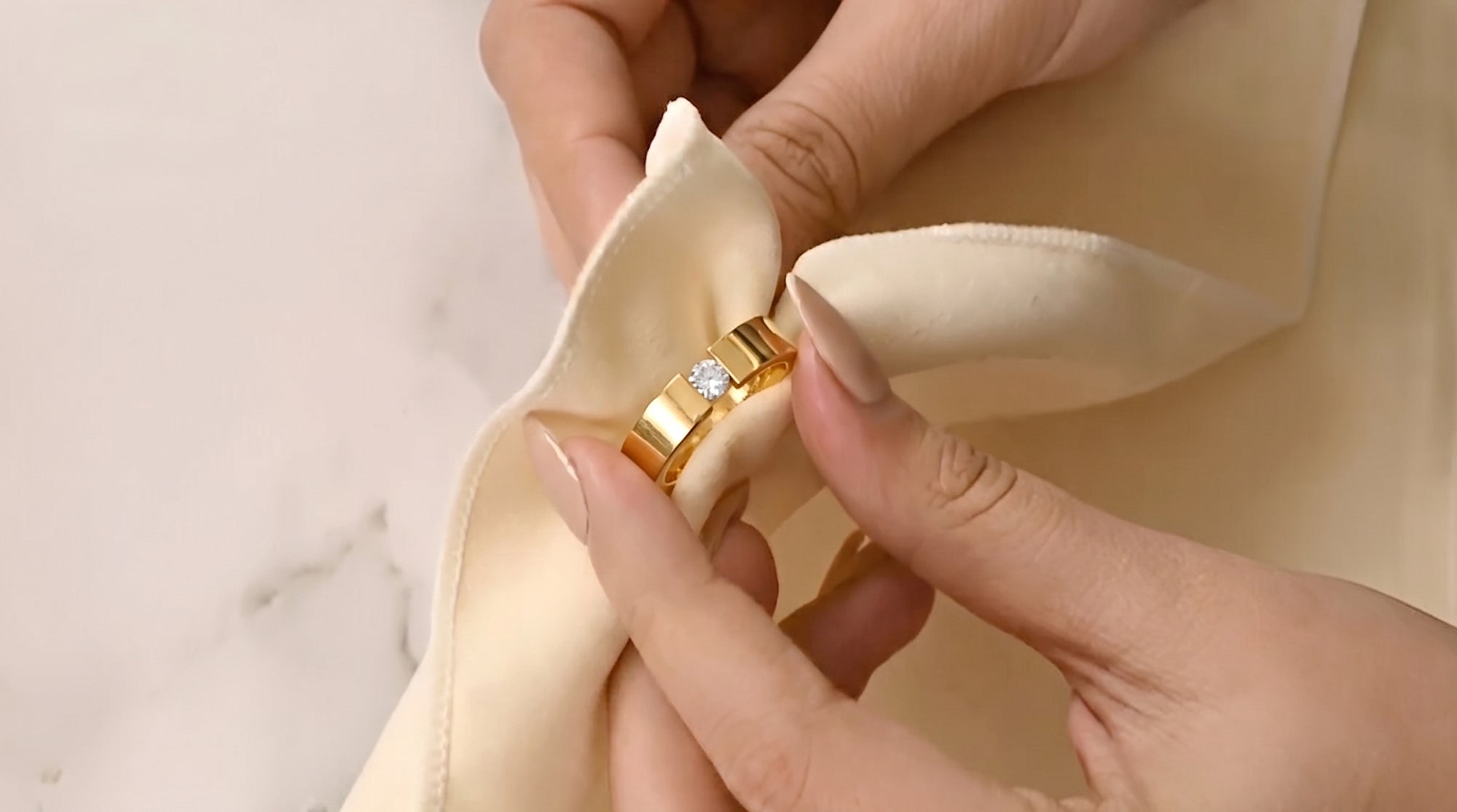
That gold plated ring looked incredible the day you bought it. Six months later it's gone a little dull. A little patchy in places. And you're wondering if it's done for good.
It's not. And with the right routine, it doesn't have to get there.
Knowing how to clean gold plated jewelry and how to actually protect it is what separates a piece that lasts a season from one that stays in your rotation for years. Gold plated jewellery is a smart, stylish choice. It just asks for a little care in return.
Here's everything you need: step-by-step cleaning, tarnish removal, daily habits that work, and every FAQ answered in one place.
Why Gold Plated Jewelry Loses Its Shine
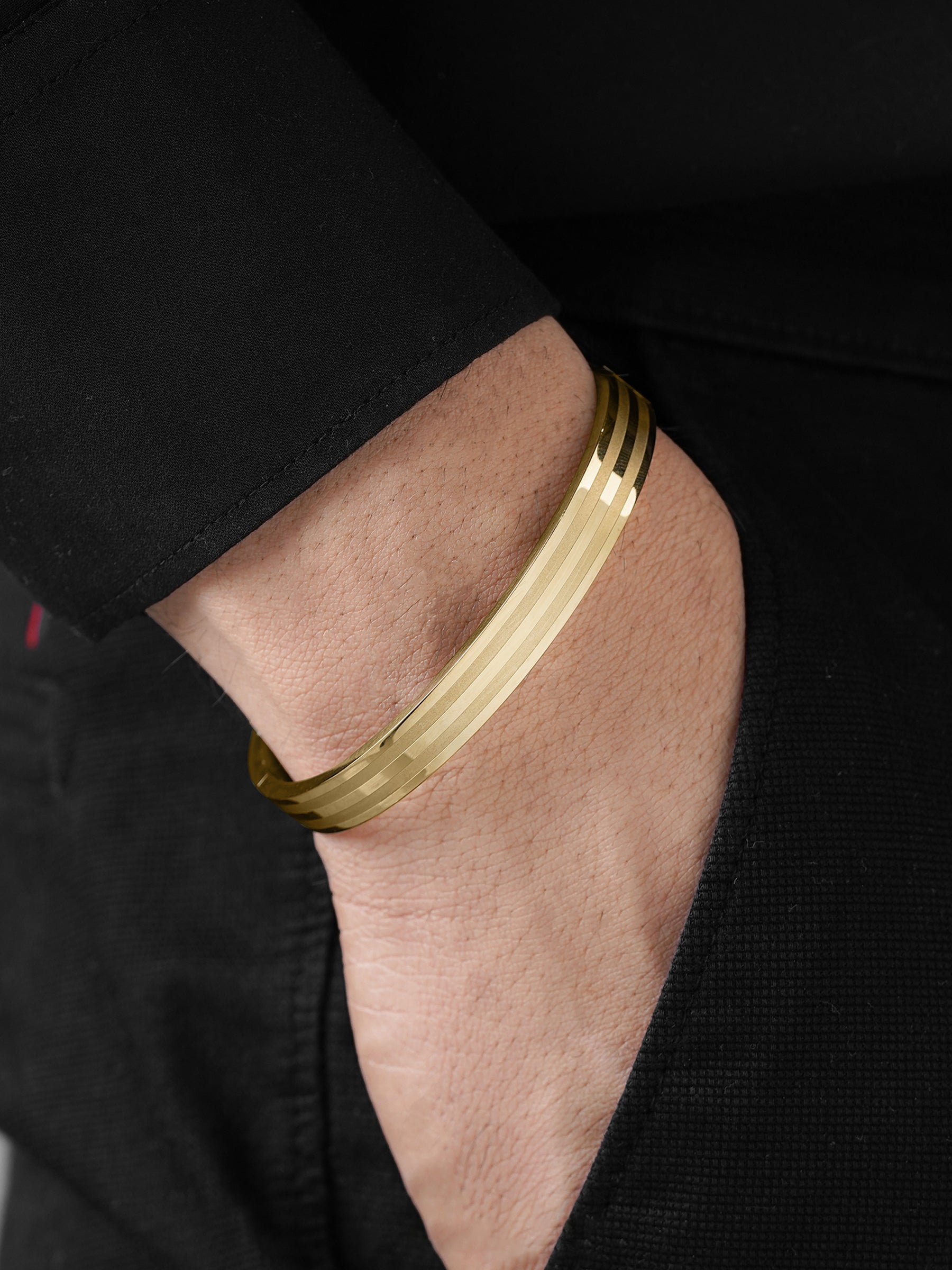
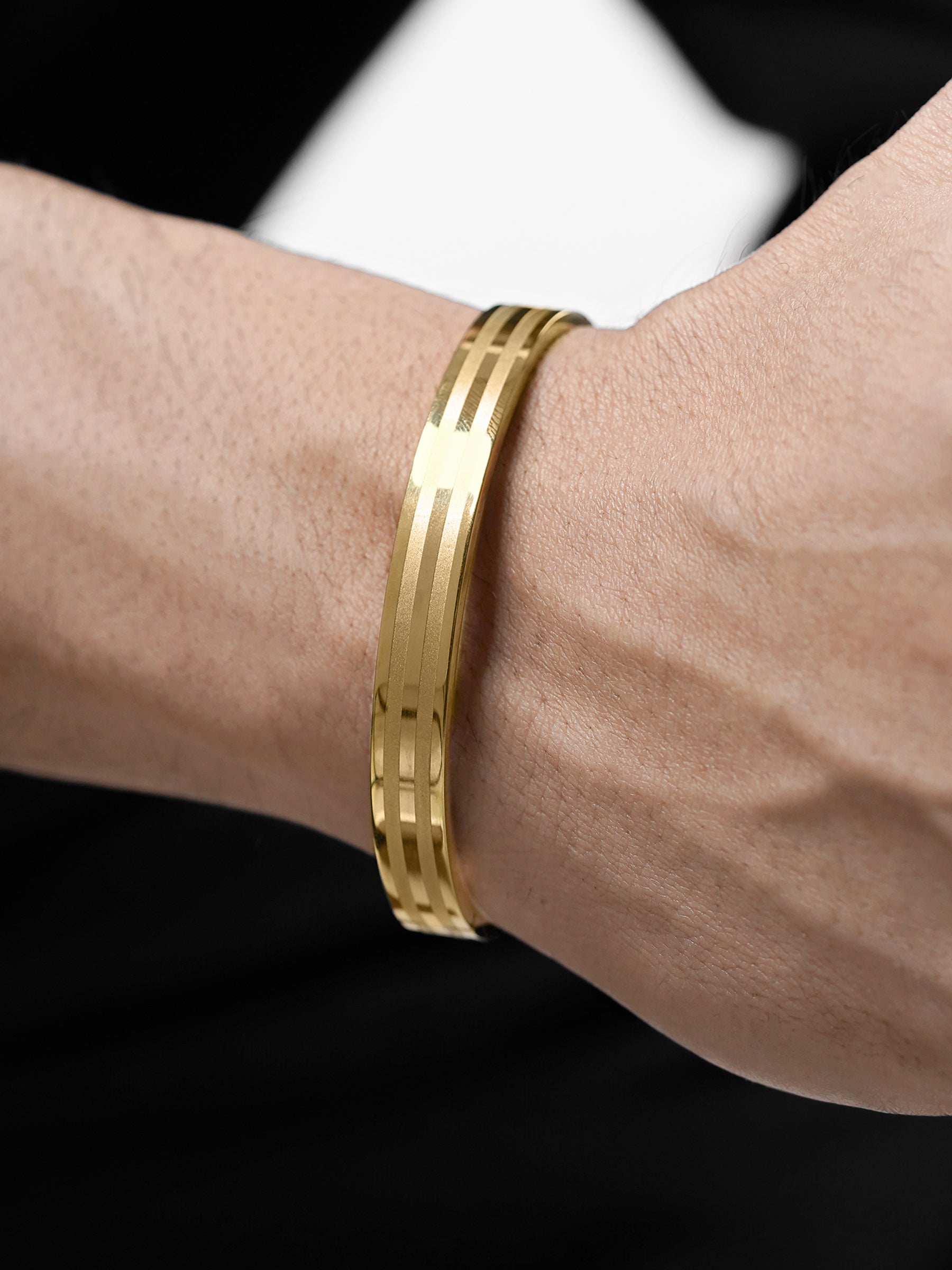
Gold plated jewellery is made by bonding a thin layer of gold over a base metal typically brass, copper, or sterling silver. Beautiful, yes. But delicate by design.
That gold layer doesn't tarnish on its own pure gold is naturally resistant to oxidation. What you're seeing when a piece dulls is the base metal beneath beginning to show through as the plating wears thin. Sweat, skin oils, perfume, moisture, and everyday chemicals all gradually break down that bond.
The thicker the plating, the longer it holds. A quality piece with 2+ microns of 18k gold over a sterling silver base can realistically last two to four years with proper care. Thinner plating? Months. Which is why cleaning gold plated jewelry regularly and handling it correctly from the start makes all the difference.
How to Clean Gold Plated Jewelry at Home
Gentle is the golden rule. Always.
Everyday wipe-down: After each wear, buff your piece with a soft, dry microfiber cloth. This lifts surface oils, sweat, and light dust before they settle in. Ten seconds. Significant difference.
Deep clean (once or twice a month): Mix one to two drops of mild dish soap into a bowl of warm not hot water. Submerge the piece for no more than two minutes. Gently wipe with a soft cloth or a baby-soft toothbrush if needed. Rinse briefly under clean water and pat dry immediately with a lint-free cloth. Never rub, never scrub.
As Jennifer Fisher's jewellery care guide notes always apply perfume and moisturiser before putting your jewellery on, not after. The chemicals in these products are among the leading causes of plating wear.
For purpose-made solutions, explore gold plated jewellery care products online polishing cloths, anti-tarnish pouches, and gentle cleaners designed specifically for plated pieces.
How to Remove Tarnish from Gold Plating
Already seeing discolouration? Light tarnish can usually be reversed.
Start with a jewellery polishing cloth lightly treated to lift oxidation without scratching the surface. Work in one direction, not circular motions, to avoid micro-abrasion.
For slightly more stubborn tarnish, a baking soda and salt solution dissolved in warm water can help. Apply gently, rinse thoroughly, dry completely. Use this sparingly it's more abrasive than regular soap and water, so it's not for frequent use.
What to avoid entirely: bleach, toothpaste, vinegar, ammonia, and commercial silver polish. These are far too harsh for gold plating and can strip it permanently rather than restore it.
If the tarnish runs deep if the base metal is showing through significantly professional re-plating is the most reliable fix. Many jewellers offer this at a fraction of the cost of replacing the piece.
Will 18k Gold Plated Tarnish?
Yes eventually. But it holds up significantly better than lower-karat plating.
18k gold contains 75% pure gold, meaning fewer reactive base metals in the plating layer. That translates to better tarnish resistance, richer colour, and a finish that lasts longer. With consistent care, a well-made 18k gold plated piece over sterling silver can last two to four years before showing meaningful wear.
The key variables are plating thickness, base metal quality, and how consistently you keep the piece away from moisture and chemicals. Rings and bracelets wear faster than necklaces or earrings simply because of friction and frequent contact with water. If you're wearing your ring while washing your hands five times a day, the plating will thin faster than one worn occasionally.
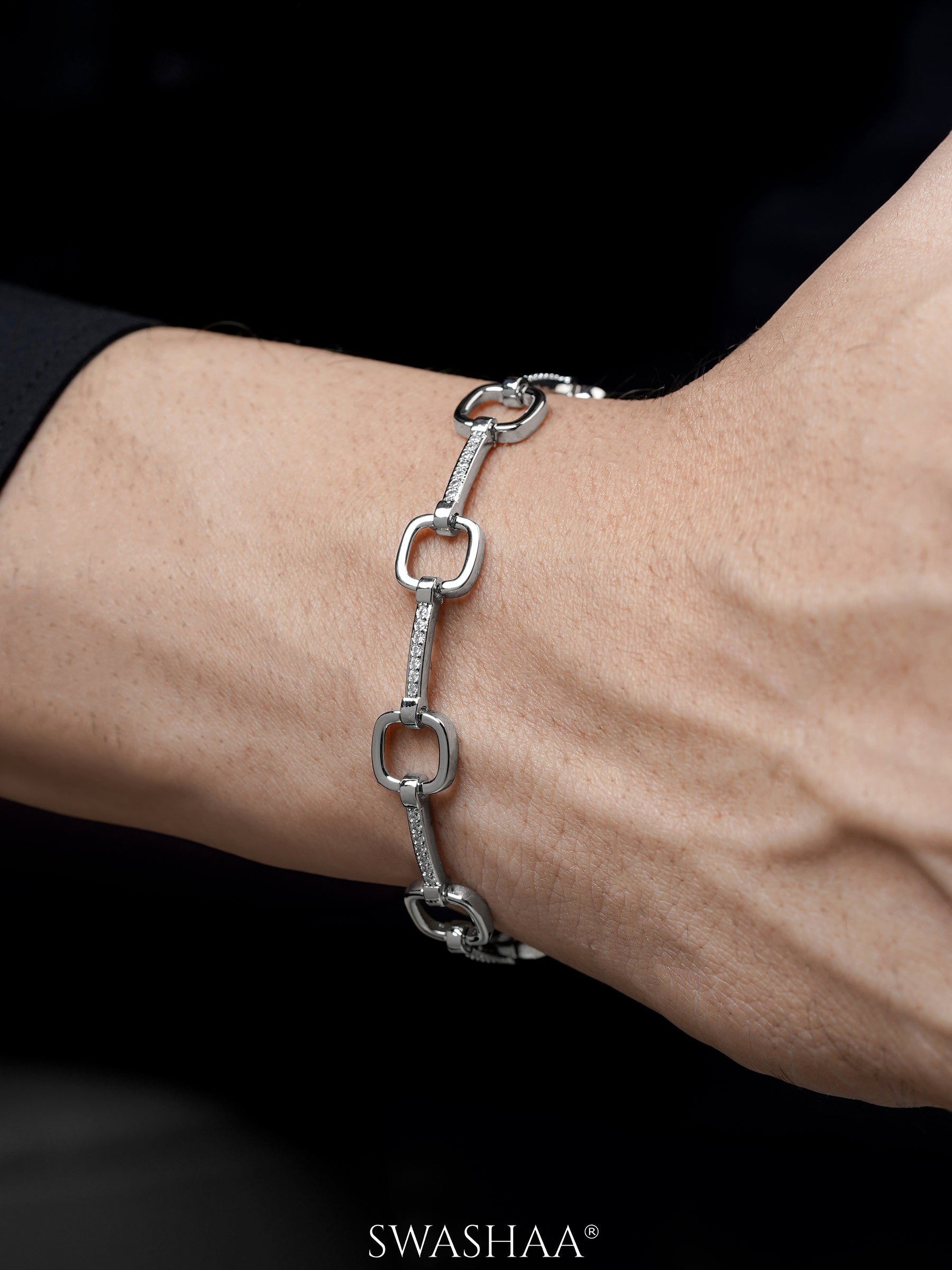
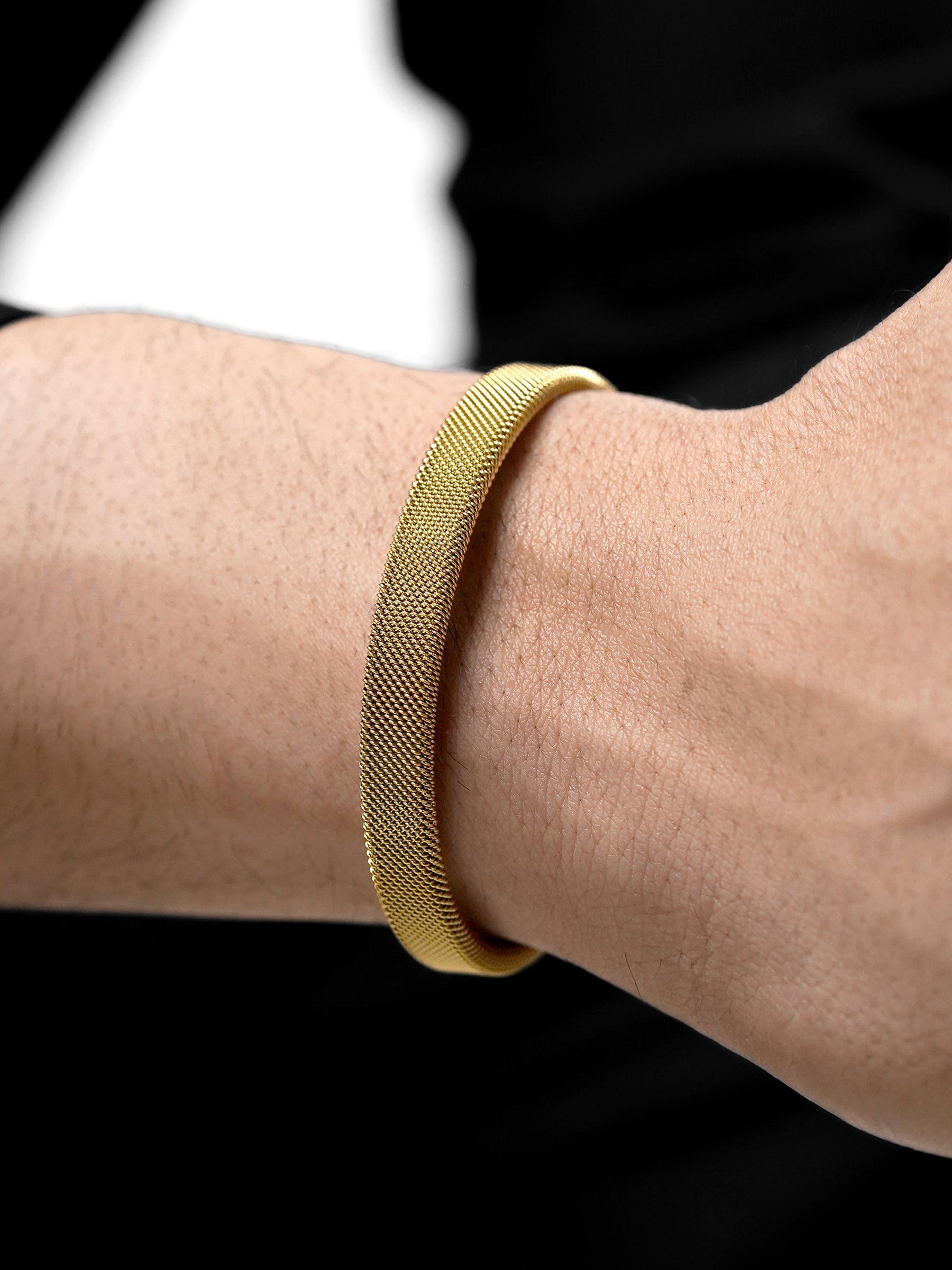
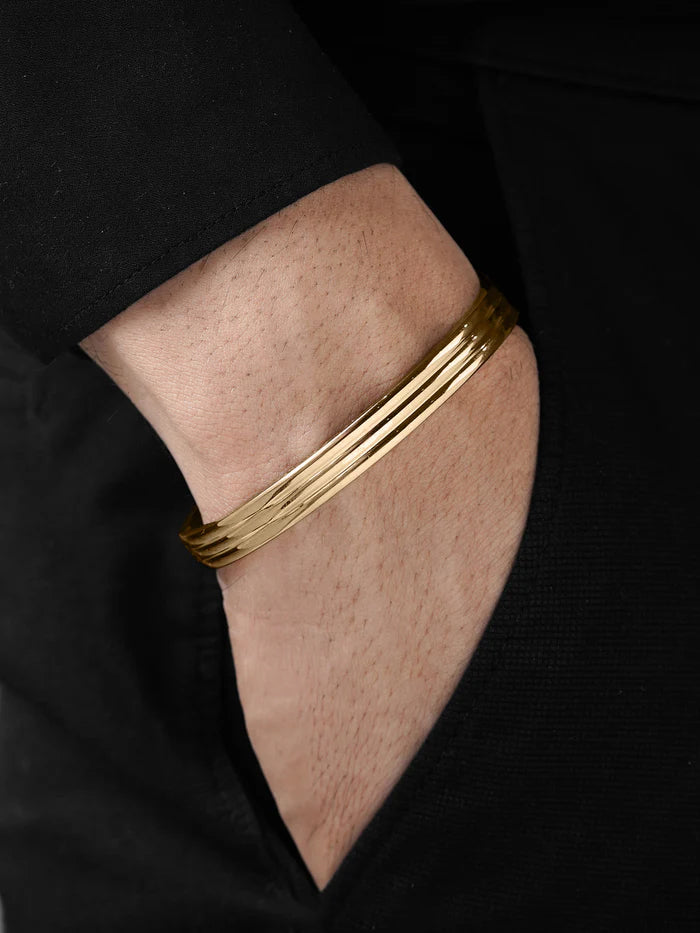
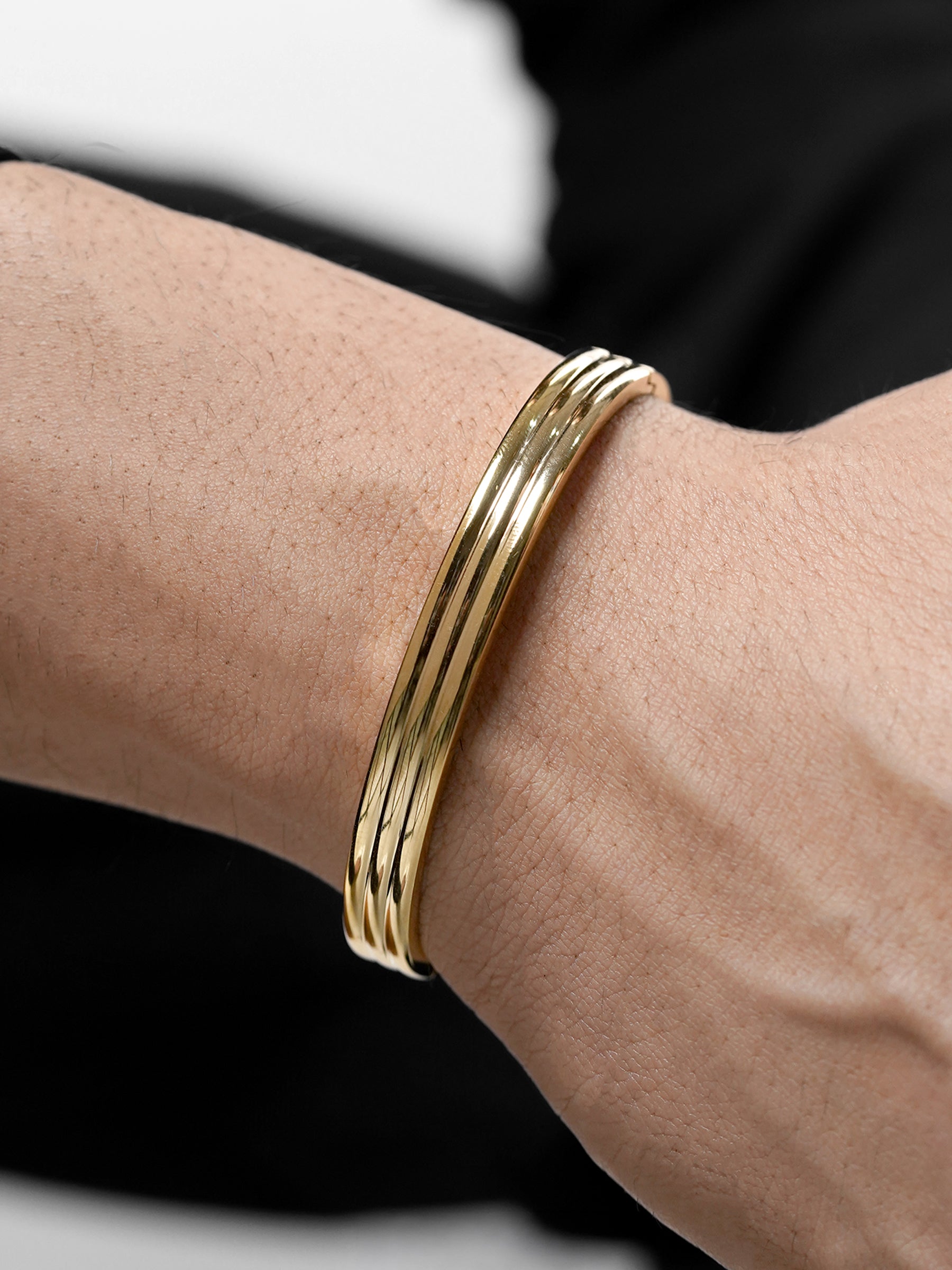
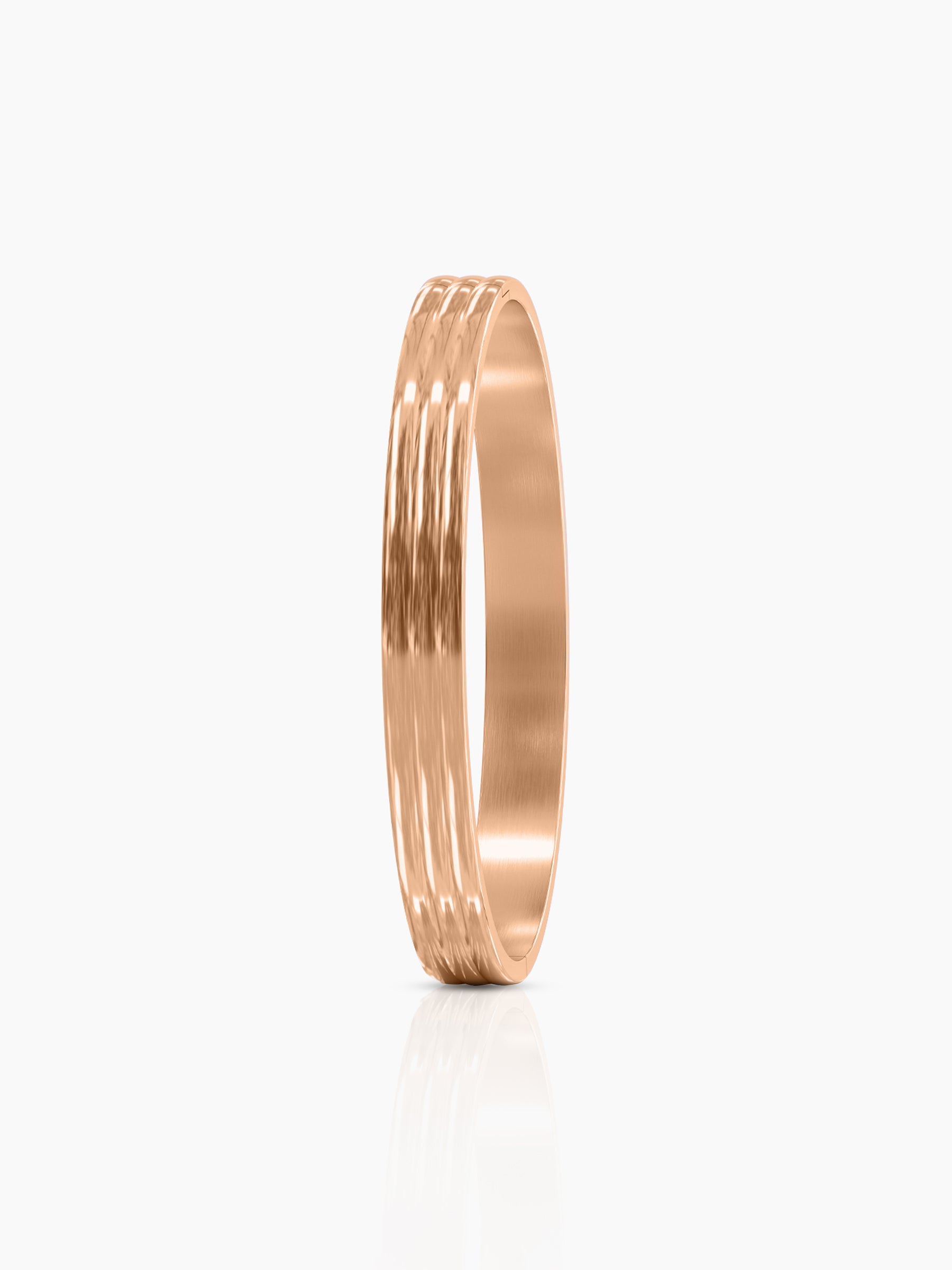
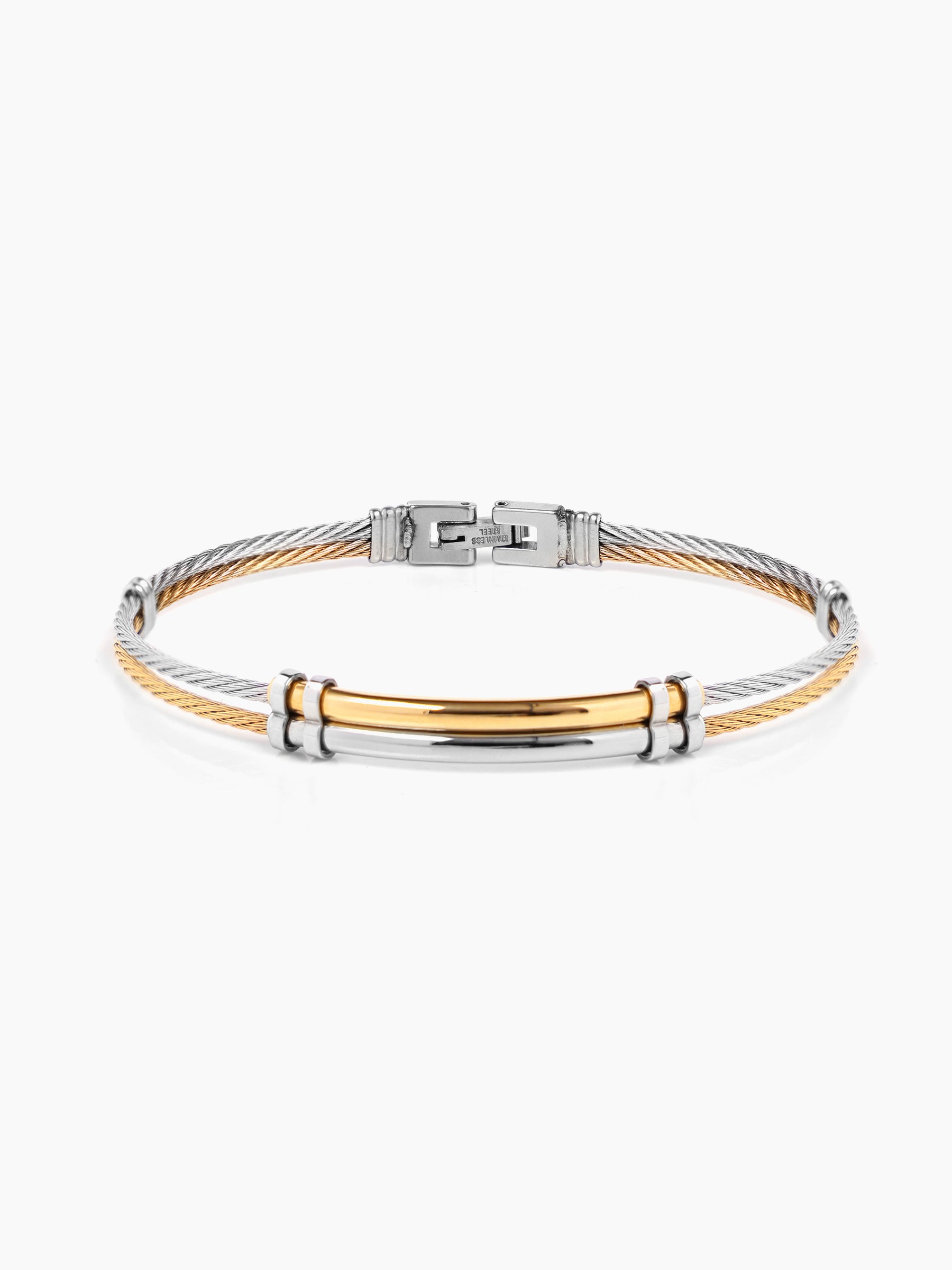
Browse Swashaa's jewellery collection crafted with quality plating and built for real, everyday wear.
Daily Habits That Protect Your Gold Plating
Cleaning restores. Protection preserves. Both matter equally.
Put it on last. Perfume, moisturiser, sunscreen, and hairspray all contain compounds that degrade gold plating. Let everything absorb and dry first, then put your jewellery on.
Take it off first. Before washing hands, showering, swimming, exercising, or cooking. Even brief, repeated contact with water accelerates wear especially on rings and bracelets worn daily.
Store it properly. Keep pieces in individual soft pouches or a fabric-lined jewellery box. Store separately to prevent scratching. Anti-tarnish pouches slow oxidation between wears. Cool, dry, and away from direct sunlight humidity is the quiet enemy of gold plating.
Don't sleep in it. Tossing and turning creates friction damage, and hours of skin-to-metal contact with oils on the skin wears plating faster than most people realise.
Don't layer carelessly. Stacking is beautiful just be mindful of metal-on-metal friction. Pieces rubbing together will wear each other down over time.
Find a cleaner for gold plated jewelry and the right care accessories at Swashaa so your pieces stay as refined as the day you got them.
Frequently Asked Questions
Can you polish gold-plated jewelry?
Yes but gently. Use a soft jewellery polishing cloth and work in one direction across the surface. Avoid standard silver or metal polishing cloths, which are often too abrasive for thin gold plating and can cause more damage than they fix. Light polishing every few wears keeps the surface bright without risking the layer.
What is the difference between gold-plated and gold-filled jewelry?
Gold-plated jewellery has a thin layer of gold bonded onto a base metal through an electroplating process. Gold-filled jewellery has a significantly thicker layer mechanically heat-bonded making it far more durable and tarnish-resistant. Gold-filled pieces typically last 10–30 years; gold-plated pieces last 1–4 years depending on plating thickness and care. Gold-filled costs more upfront but holds up considerably better with daily wear.
How should gold-plated jewelry be stored?
Store each piece separately in a soft cloth pouch or a fabric-lined compartment to prevent scratching. Anti-tarnish pouches are ideal they actively slow oxidation. Keep jewellery in a cool, dry place away from humidity and direct sunlight, both of which accelerate tarnishing. Avoid leaving pieces loose in a drawer or jumbled together in a box where friction causes surface damage.
What should you avoid when wearing gold-plated jewelry?
Avoid contact with water, sweat, perfume, moisturiser, sunscreen, hairspray, cleaning products, and chlorine these are the primary culprits behind premature fading and tarnish. Remove pieces before showering, swimming, exercising, washing dishes, or doing household cleaning. For rings especially, avoid wearing them during activities that involve heavy hand use or repeated water exposure.
Is gold-plated jewelry good for everyday wear?
It can be with consistent care habits. Necklaces, earrings, and pendants fare well daily since they experience less friction. Rings and bracelets are more exposed and tend to show wear faster. A quality 18k gold plated piece over sterling silver, worn thoughtfully and cleaned regularly, can genuinely stay beautiful for years as part of a daily look. The care routine is simple the key is making it consistent.
How can you make gold-plated jewelry shine again?
Start with a microfiber cloth and buff away surface dullness this alone can revive a lot of lost shine. For deeper restoration, a gentle mild soap soak for no more than two minutes followed by careful drying works well. A jewellery polishing cloth can lift light tarnish and restore surface brightness. If the plating has worn through in patches, professional re-plating is the most reliable way to fully restore the piece.
Can gold-plated jewelry get wet?
Brief, occasional contact with water is unlikely to cause immediate damage but repeated or prolonged exposure is a problem. Water, especially combined with soap, sweat, or chlorine, breaks down the gold layer over time. Remove pieces before showering, swimming, or any workout. If your jewellery does get wet, dry it thoroughly and promptly with a soft cloth rather than letting it air dry, as moisture sitting on the surface accelerates tarnishing.
Care Is the Real Investment
Gold plated jewellery gives you the look of solid gold at a fraction of the cost. That makes it worth protecting. Consistent habits clean gently, store carefully, keep away from moisture and chemicals extend its life significantly without any complicated routine.
Whether you need the right jewelry cleaner for gold plated jewelry or want pieces from Swashaa's everyday staples collection that are crafted to go the distance the care starts with the right knowledge.
Minimal effort. Maximum shine. That's the Swashaa way.















Share:
Which Hand to Wear an Engagement Ring? Traditions, Meaning & Modern Rules
Best Earrings for Kids: Safe, Stylish & Comfortable Designs for Everyday Wear