
The Difference Between Sterling Silver and 925 Silver?
If you've ever shopped for silver jewellery, you've probably come across terms like sterling silver, 925 silver, pure silver, and even silver-plated jewellery. Naturally, this raises a common question: what's the difference between silver and sterling silver, and where does 925 silver fit in?
Understanding the difference between sterling silver and 925 silver, and that of pure silver helps you make smarter jewellery purchases, especially when investing in pieces like a men's silver ring or a women's silver necklace that you plan to wear regularly.
Let's explore what these terms really mean.
The Truth About Pure Silver
To understand the difference between sterling silver and pure silver, we first need to understand what pure silver is.
Pure silver, also known as fine silver, contains 99.9% silver and is often labelled 999 silver. This means it has almost no other metals mixed in.
While that sounds ideal, pure silver is actually too soft for everyday jewellery. It bends easily, scratches quickly, and struggles to hold intricate shapes.
This is one of the many reasons why jewellers rarely use pure silver for items like rings, chains, or bracelets.
When people ask about the difference between 999 silver and 925 silver, this softness is the biggest factor.
Sterling Silver - What Is It?
Sterling silver is a metal alloy that is made from 92.5% pure silver and 7.5% other metals (usually copper).
This composition gives sterling silver much better durability while still preserving the beauty and shine of silver. That's why most high-quality jewellery pieces are made from sterling silver.
When discussing the difference between sterling silver and silver, it's important to know that sterling silver is essentially a stronger, more practical version of silver designed for jewellery use.
Because of this durability, sterling silver is commonly used for items like bracelets, earrings, necklaces, and rings.
What is the Difference Between 925 and Sterling Silver?
Here's where many people get confused.
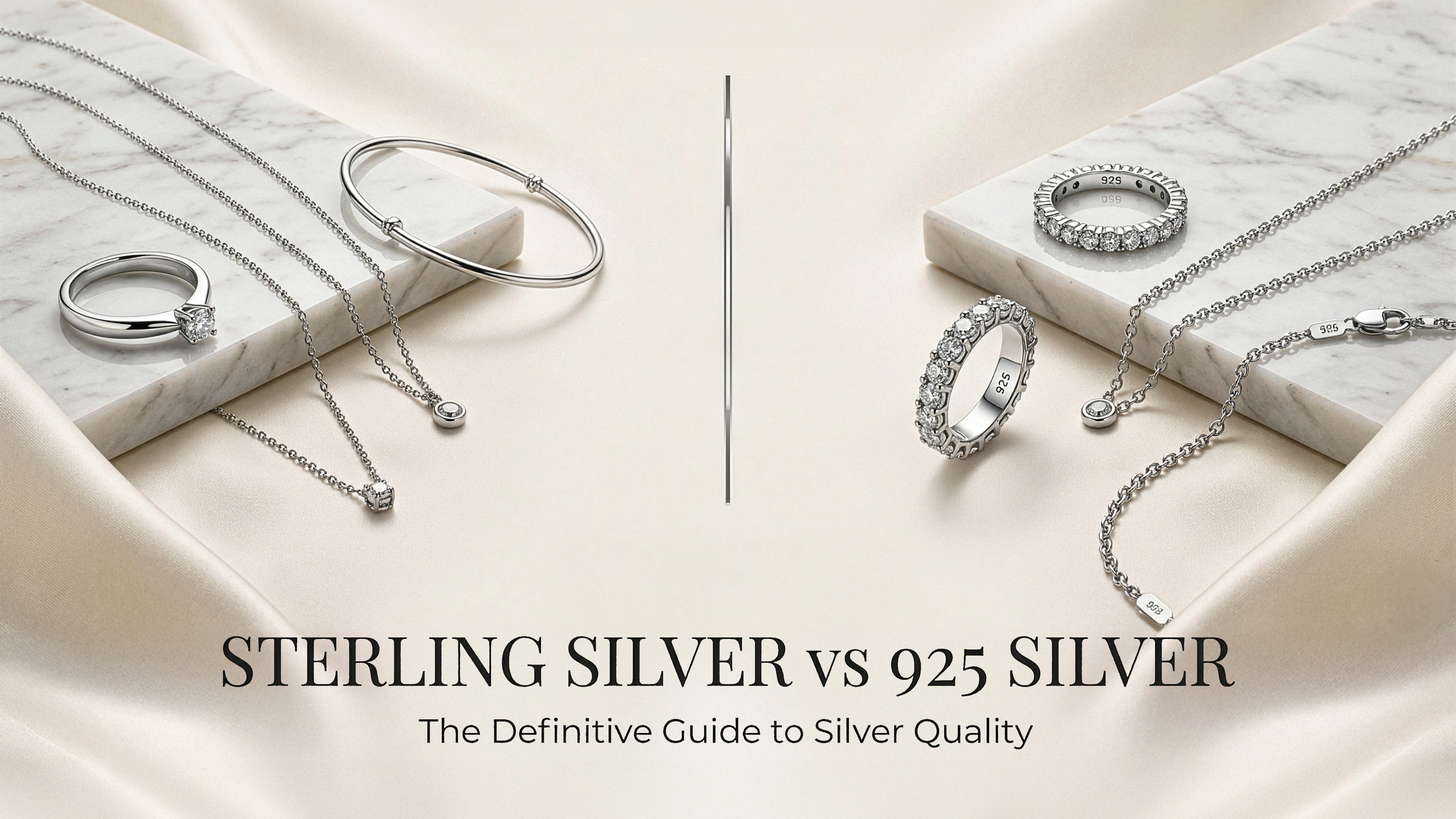
925 silver and sterling silver are actually the same thing.
The number 925 simply refers to the metal's composition: 92.5% pure silver and 7.5% alloy metals.
So when you see jewellery stamped with "925", it means the piece is sterling silver.
So if you ever hear someone ask "What is the difference between sterling silver and 925 silver?" You now know there isn't any!
Sterling Silver vs Pure Silver
Another common comparison is the difference between pure silver and sterling silver. Here's a quick comparison:
| Feature | Pure Silver (999) | Sterling Silver (925) |
|---|---|---|
| Silver Content | 99.90% | 92.50% |
| Durability | Very soft | Much stronger |
| Use in Jewellery | Rare | Very common |
| Tarnish Resistance | Slightly better | May tarnish slowly |
Because sterling silver is stronger, it's the preferred choice for everyday jewellery.
To give you an example, a men's silver ring made from pure silver would bend easily, while a sterling silver ring holds its shape much better.
Sterling Silver vs Silver-Plated Jewellery
Another source of confusion comes from silver-plated jewellery.
The difference between sterling silver and a silver plate is significant.
Sterling silver jewellery is made entirely from silver alloy, while silver-plated pieces only have a thin layer of silver coating over another metal.
This means silver-plated jewellery can lose its silver finish over time, revealing the base metal underneath.
Understanding the difference between silver plated and sterling silver helps buyers avoid misleading labels.
How Can You Tell the Difference Between Silver and Silver-Plated Jewellery
If you're wondering how to tell the difference between silver and silver plated jewellery, there are a few simple clues.
Look for a hallmark stamp. Here's the mark you'd usually find on authentic sterling silver jewellery:
- 925
- Sterling
- Ster
Silver-plated jewellery typically has markings like:
- EP (Electroplated)
- Silver Plate
- EPNS (Electroplated Nickel Silver)
Weight can also be a hint. Sterling silver jewellery often feels slightly heavier and more substantial than plated pieces.
What Makes Sterling Silver So Popular for Jewellery
Now that we understand the silver vs sterling silver difference, it becomes clear why sterling silver is so widely used.
Sterling silver brings a balance between beauty and durability. It maintains the classic shine of silver while being strong enough for everyday wear.
This is why many jewellery collections feature sterling silver pieces, whether it's a sleek mens silver ring or a delicate womens silver necklace.
With proper care, sterling silver jewellery can last for years and even develop a beautiful patina over time.
So, now that we know what the difference between sterling silver and 925 silver is, the real comparison lies between pure silver, sterling silver, and silver-plated jewellery.
Whether you're choosing a durable men's silver ring or a timeless women's silver necklace, understanding the difference between silver and sterling silver helps ensure you're investing in quality that lasts.



Share: