
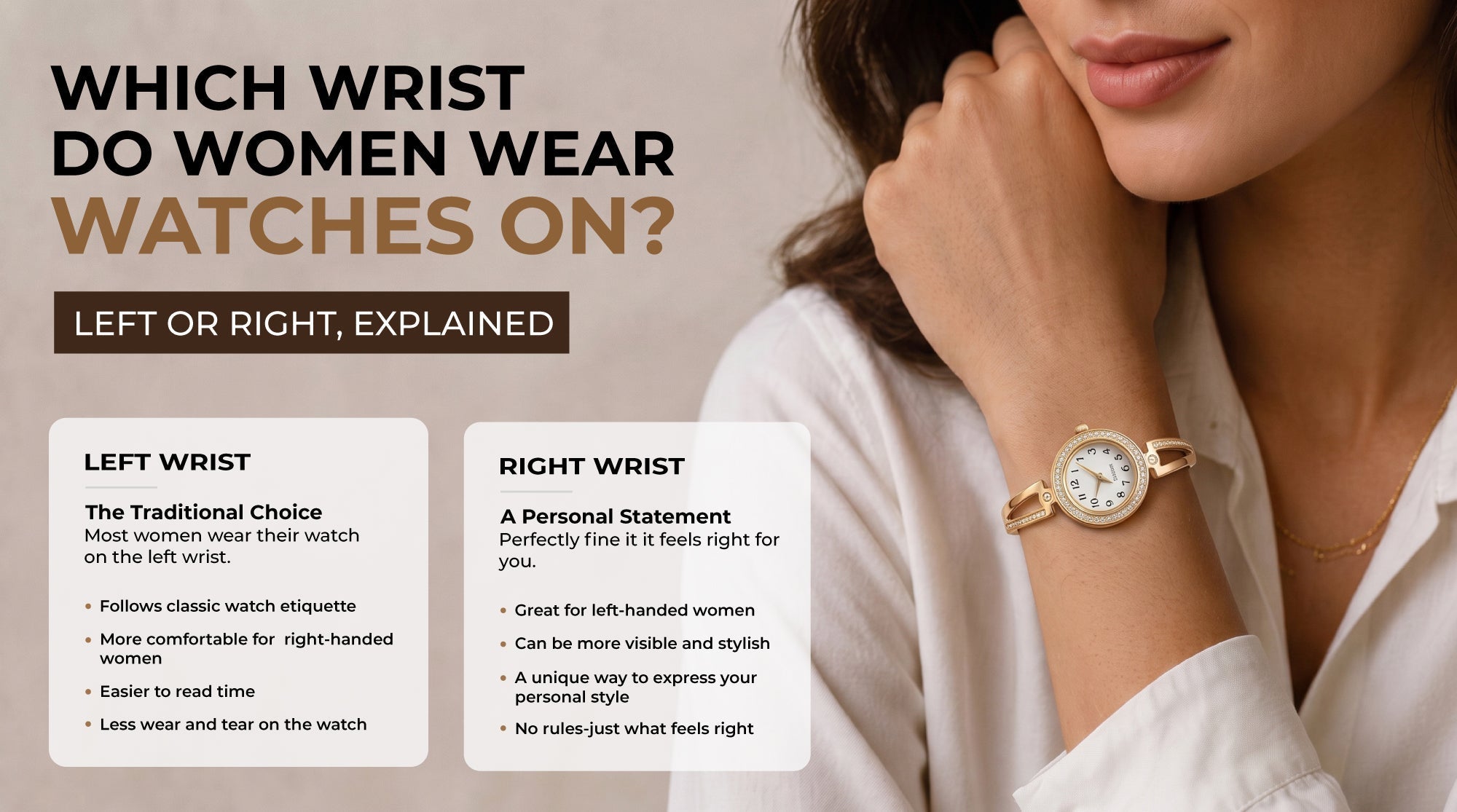
You're fastening your watch, and the thought flickers past wait, which wrist is this supposed to go on?
You're not alone. It's one of those small style questions almost every woman has paused on at least once. And while it feels like there should be a clear answer, the truth is a little more relaxed than you'd expect.
There's some history behind it. A few practical reasons too. But the "rule" everyone assumes exists? It's softer than you think.
So let's clear it up the tradition, the logic, and the part most guides skip: how to make a hand watch for girls actually work alongside the rest of your jewellery. Because where your watch sits is only half the story. How you style it is the rest.
So, Which Hand Do Girls Wear a Watch On?
Here's the short answer. Most women wear their watch on the non-dominant hand which, for the majority, means the left wrist.
The reasoning is simple. Around 90% of people are right-handed, so the left wrist keeps the watch out of the way during everyday tasks like writing, typing, or carrying things. It stays comfortable, stays protected, and doesn't interrupt whatever your busy hand is doing.
If you're wondering "women wear watch in which hand" as a hard rule, this is as close as it gets and even then, it's a preference, not a law. Left-handed women often flip it to the right wrist for exactly the same reason: keeping the watch on the quieter hand.
Why the Left Wrist Became the Tradition
The left-wrist habit isn't random. It goes back centuries.
When wristwatches first became popular in the 18th century, they were built around right-handed wearers. Most watches were designed with the crown that little knob used to wind and set the time positioned at the 3 o'clock spot on the right side of the dial. Worn on the left wrist, that crown sits perfectly for your dominant right hand to adjust.
There's a protective logic too. Your non-dominant hand moves less, so a watch on the left wrist is less likely to catch a bump, knock, or scratch through the day. Practical and pretty the reason it became the quiet default for so long.
So when people ask "in which hand we should wear watch," the honest answer is: tradition points left, but comfort decides.
When the Right Wrist Makes More Sense
Here's where the so-called rule loosens up.
If you're left-handed, the right wrist is simply more practical it keeps the watch on your calmer hand and makes winding and reading the time easier. The same goes if you find yourself constantly driving, writing, or working with your hands; switching wrists can just feel better.
And then there's style. Because most people default to the left, a watch on the right wrist looks deliberately chosen. It reads as expressive, a little independent the kind of subtle detail that quietly signals confidence. Plenty of women wear it on the right purely because they like how it looks, and that's reason enough.
There's no bad luck, no faux pas, no etiquette police. The wrist is yours to pick.
How to Wear a Watch: Styling It With Your Jewellery
This is the part that actually matters day to day. Knowing how to wear a watch isn't just about the side it's about how it sits with everything else on your wrists.
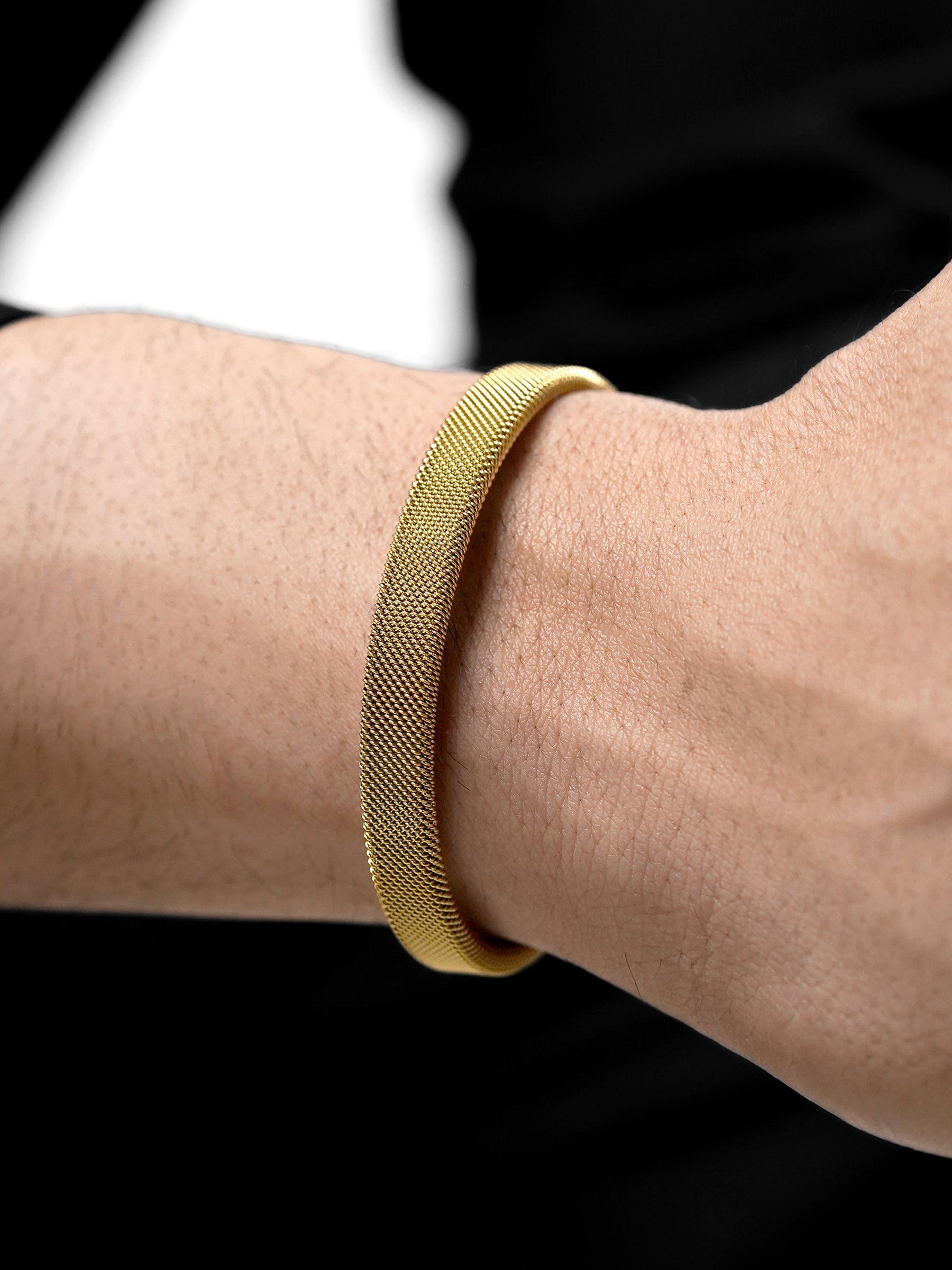
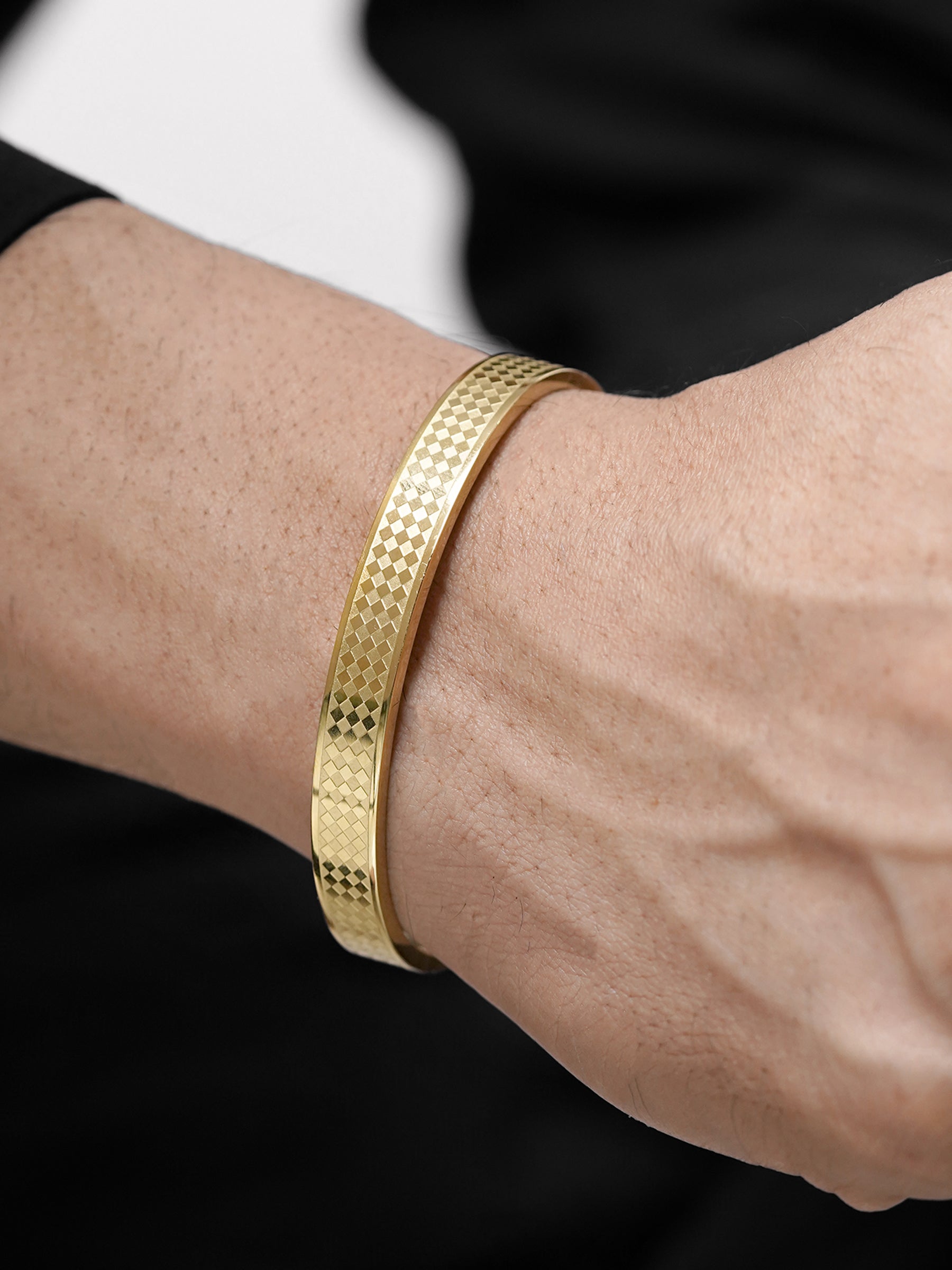
Start with fit. A watch should rest just above your wrist bone, never sliding around or pinching. The easy test: you should be able to slip one or two fingers comfortably under the band. Too loose looks careless; too tight looks uncomfortable. Snug and settled is the goal.
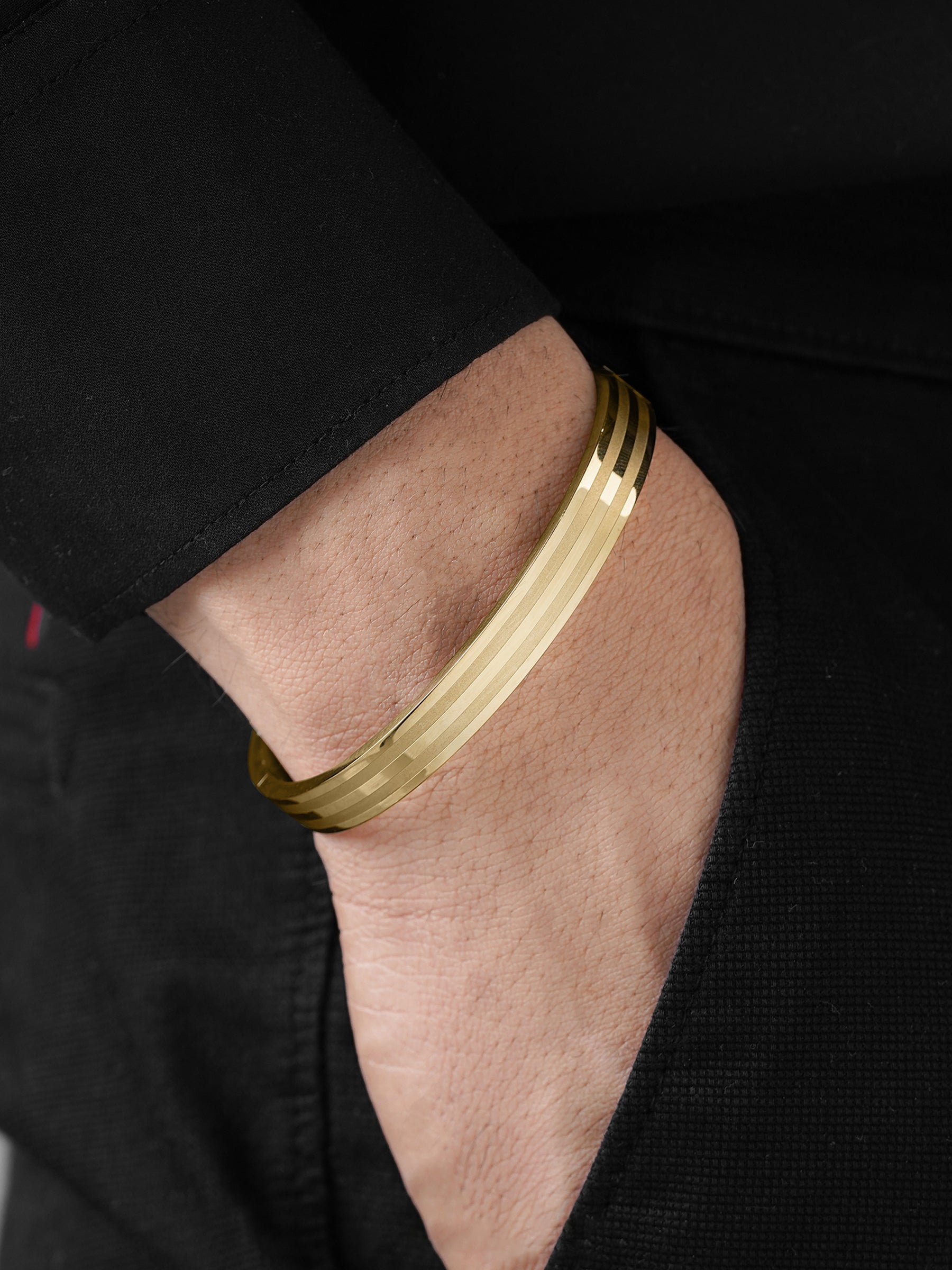
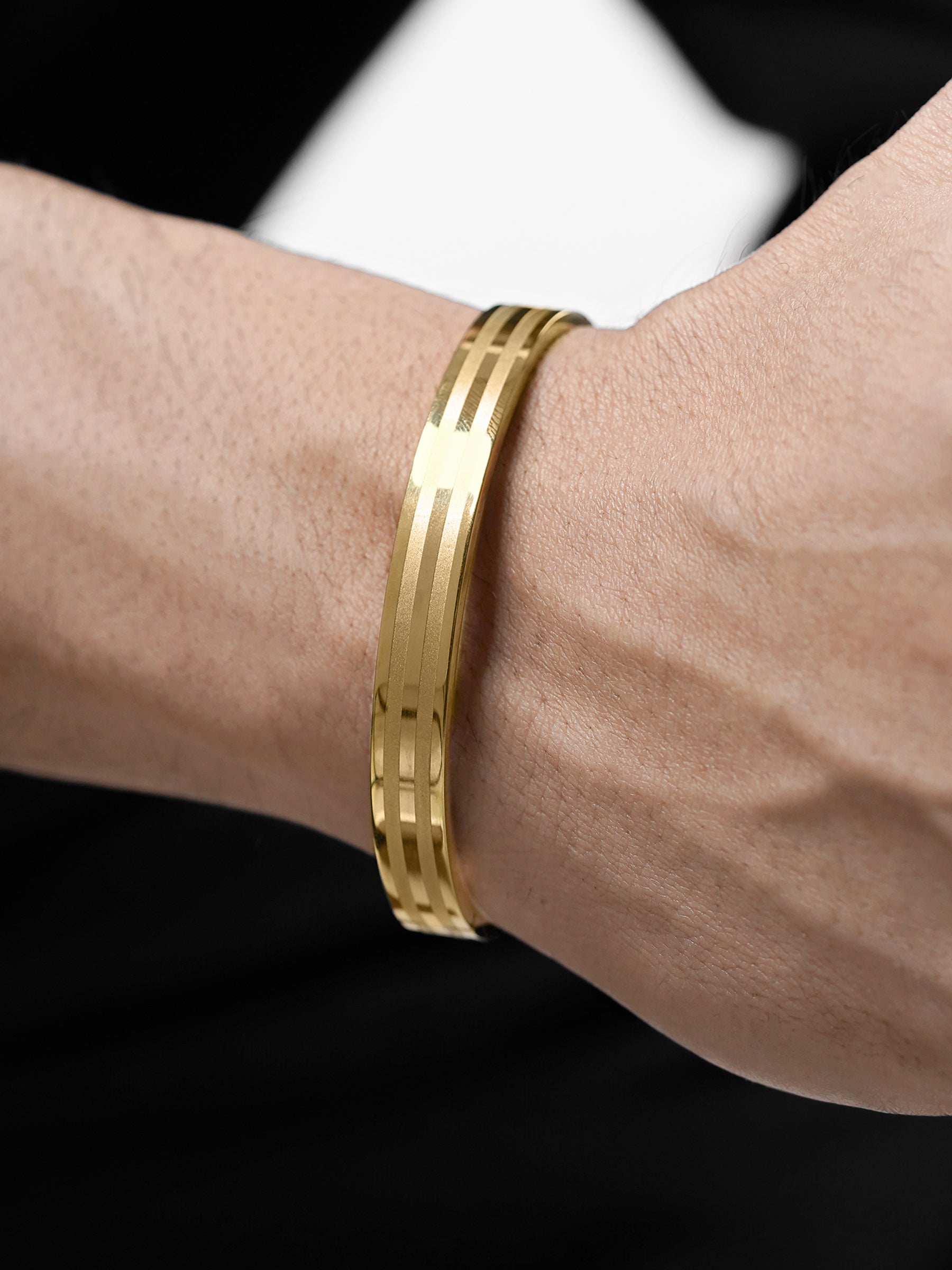
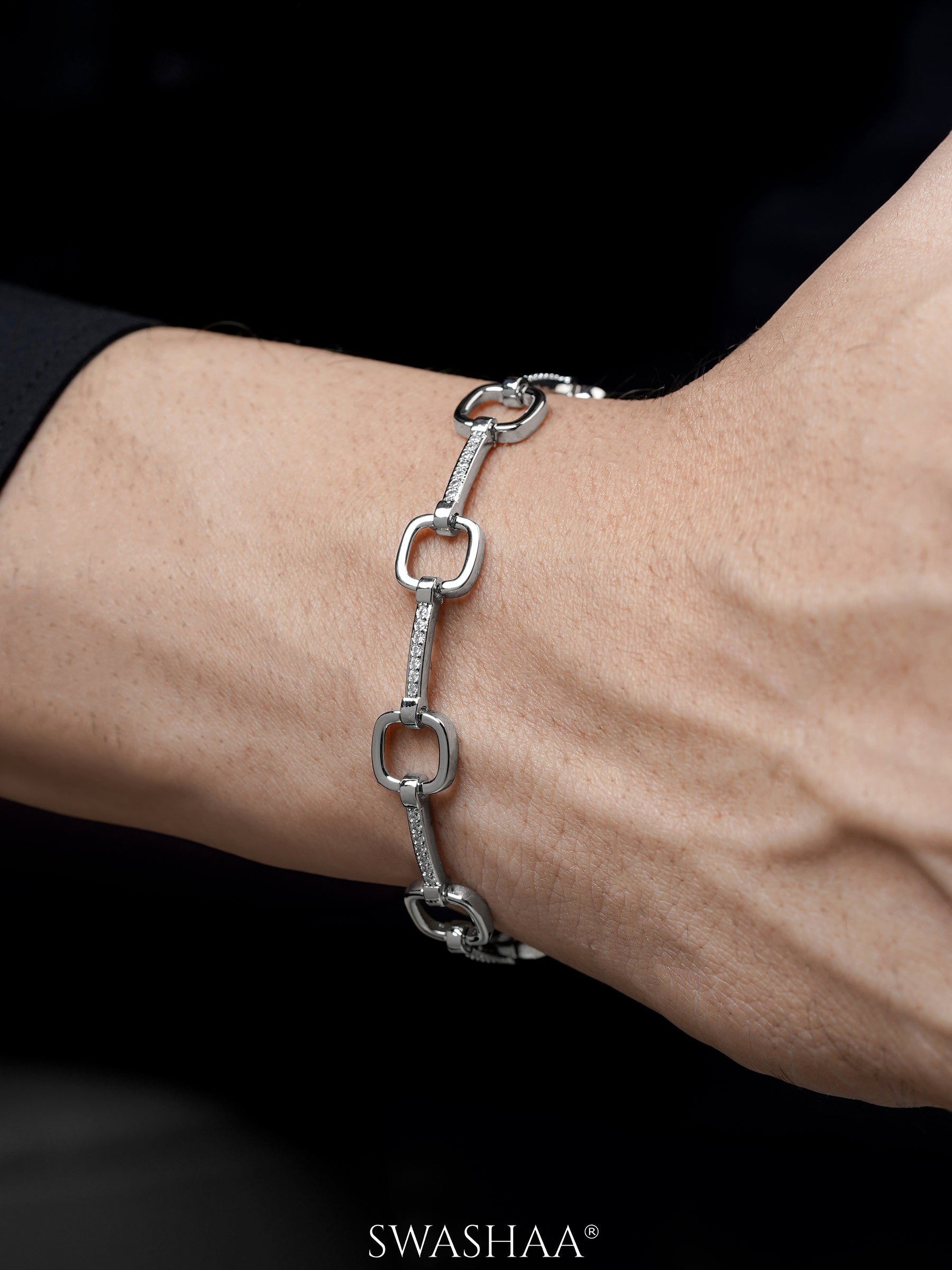
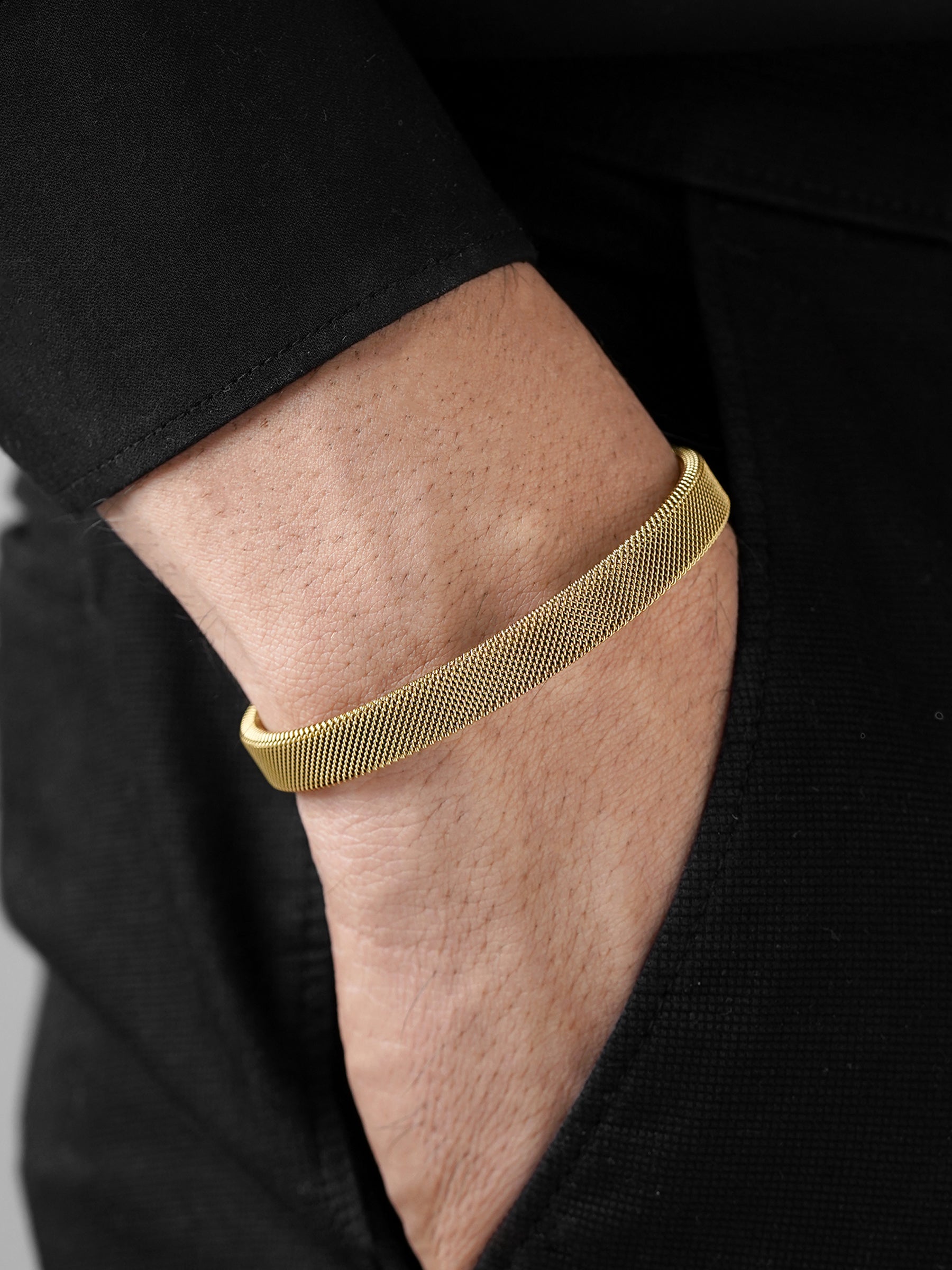
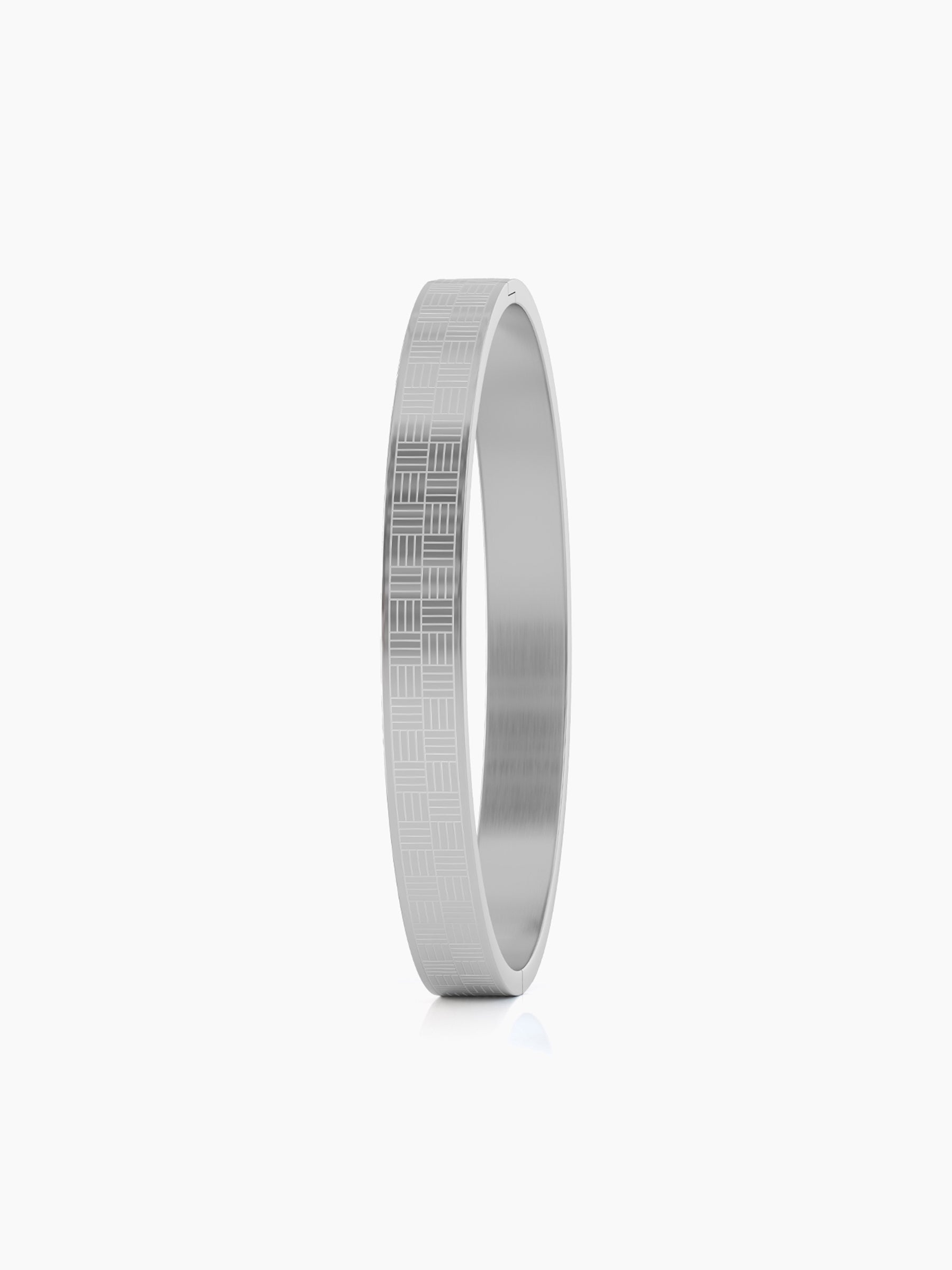
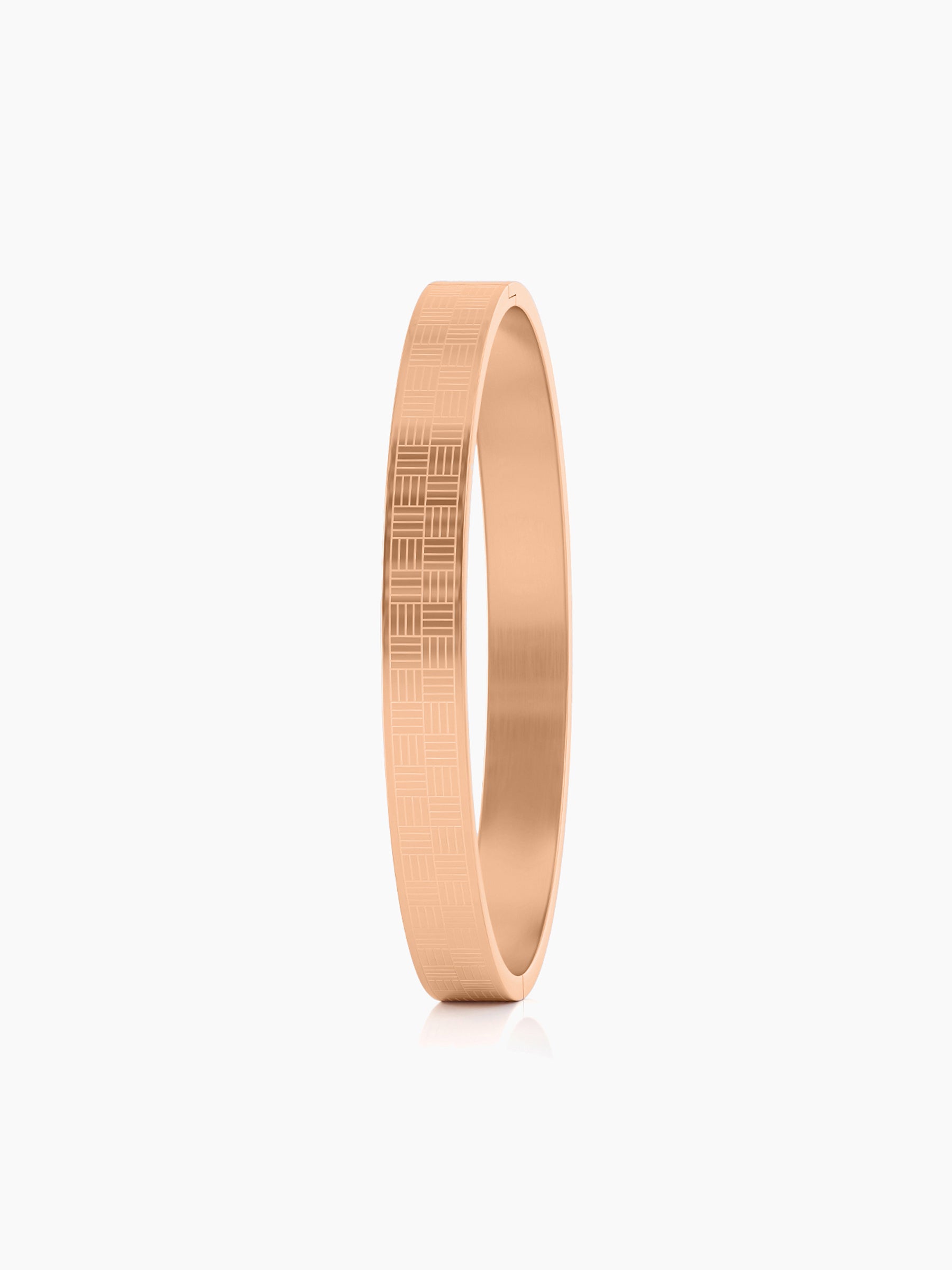
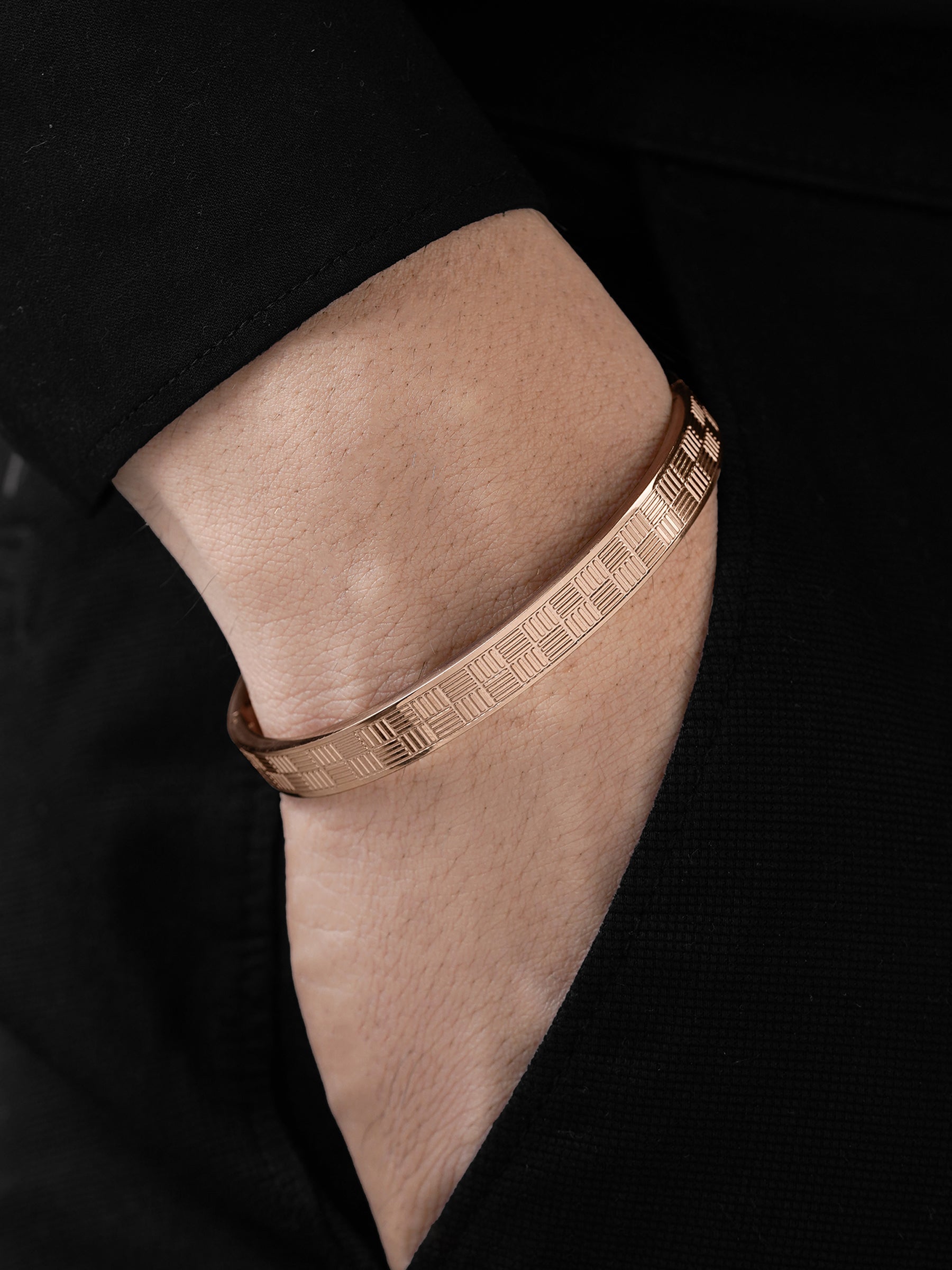
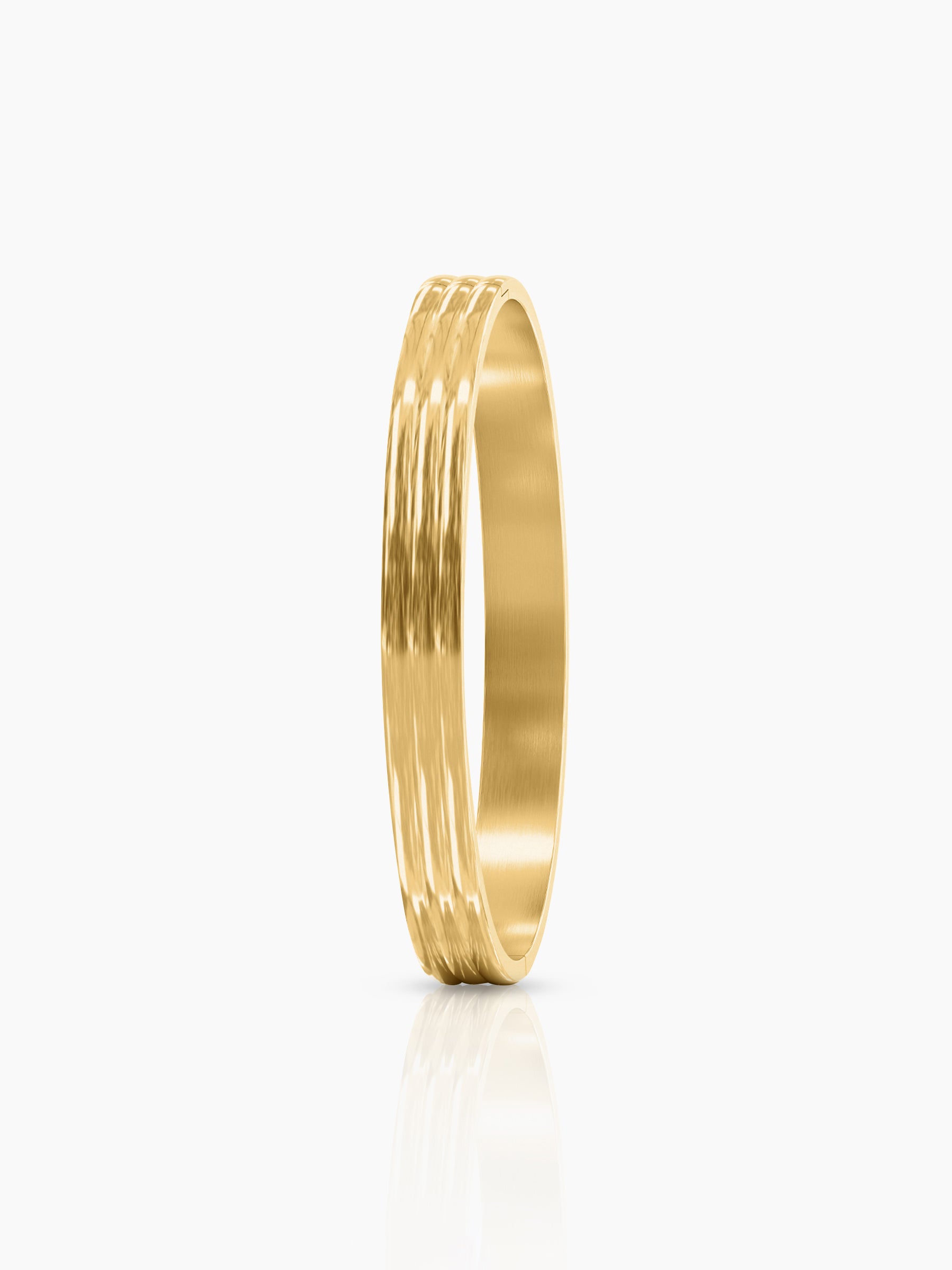
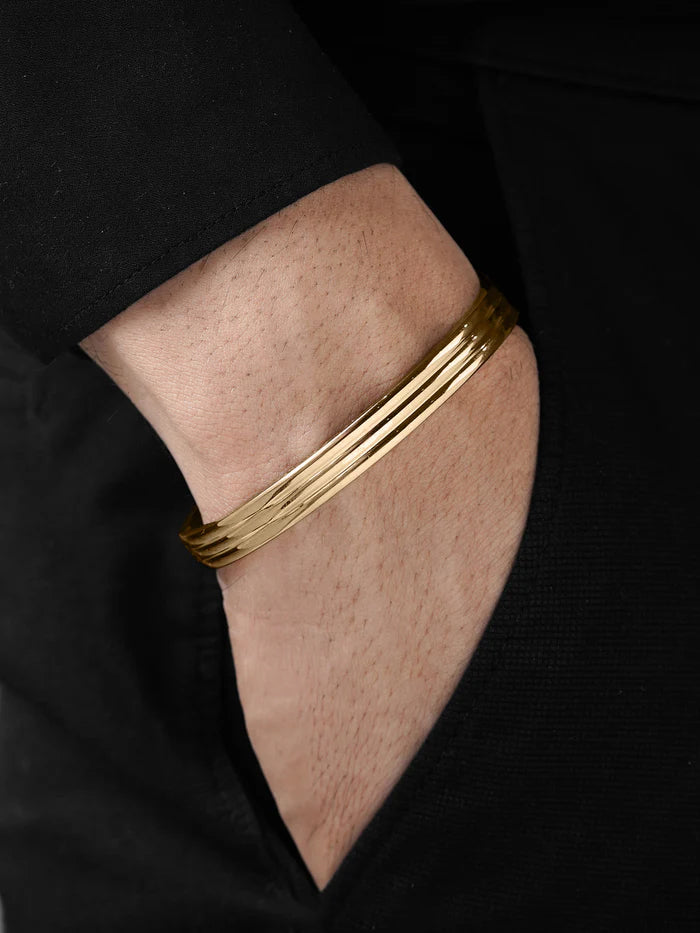
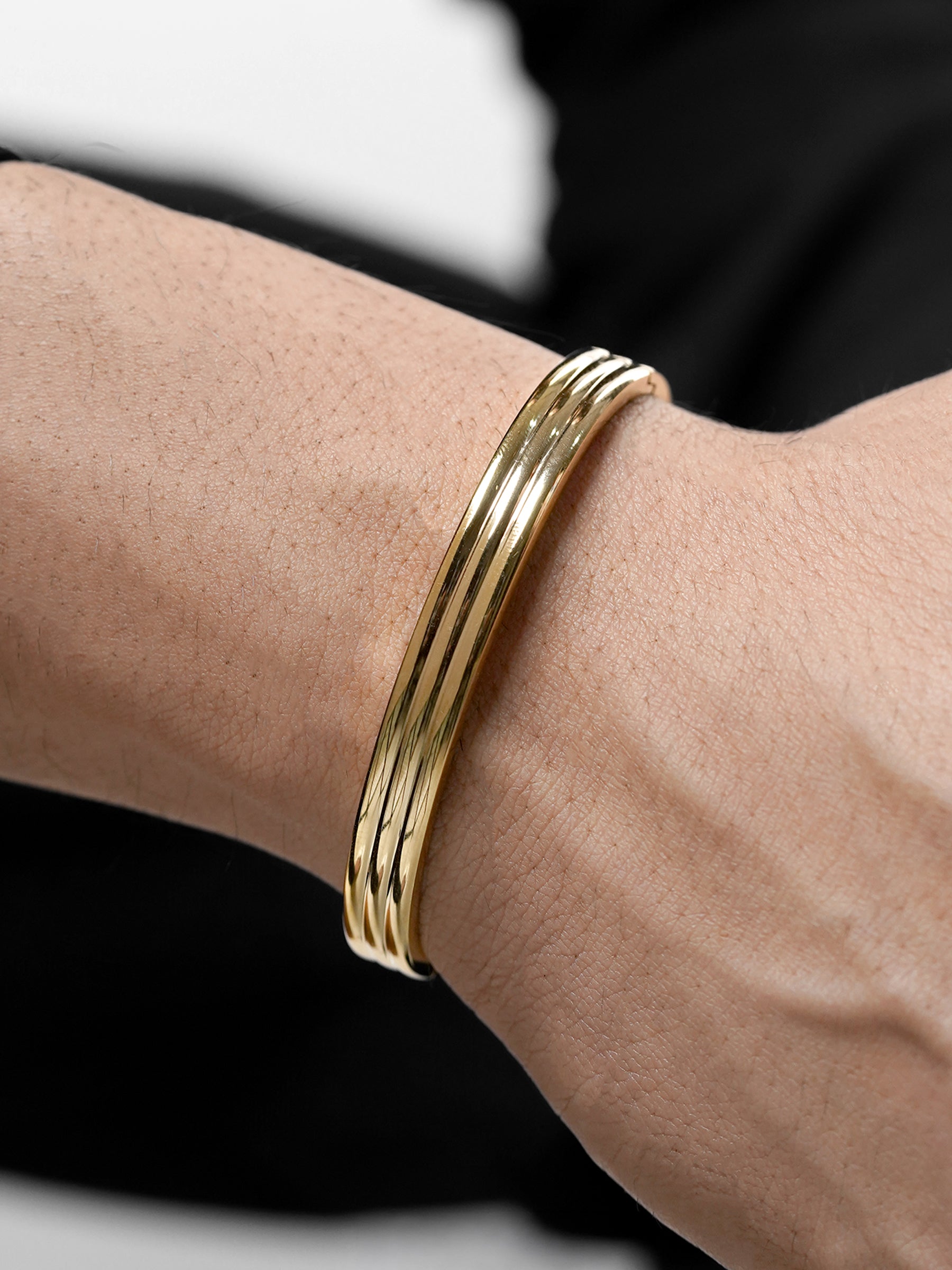
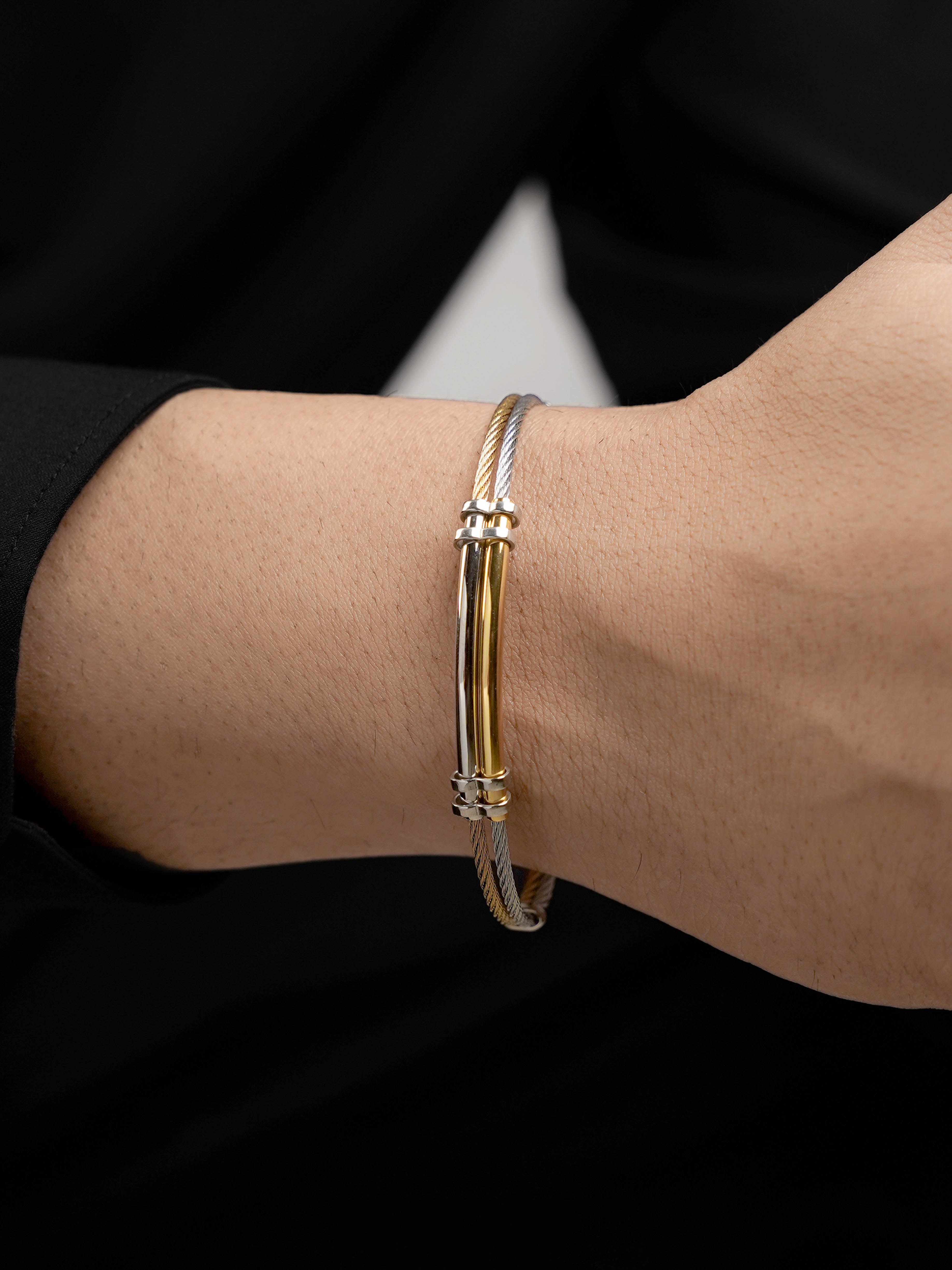
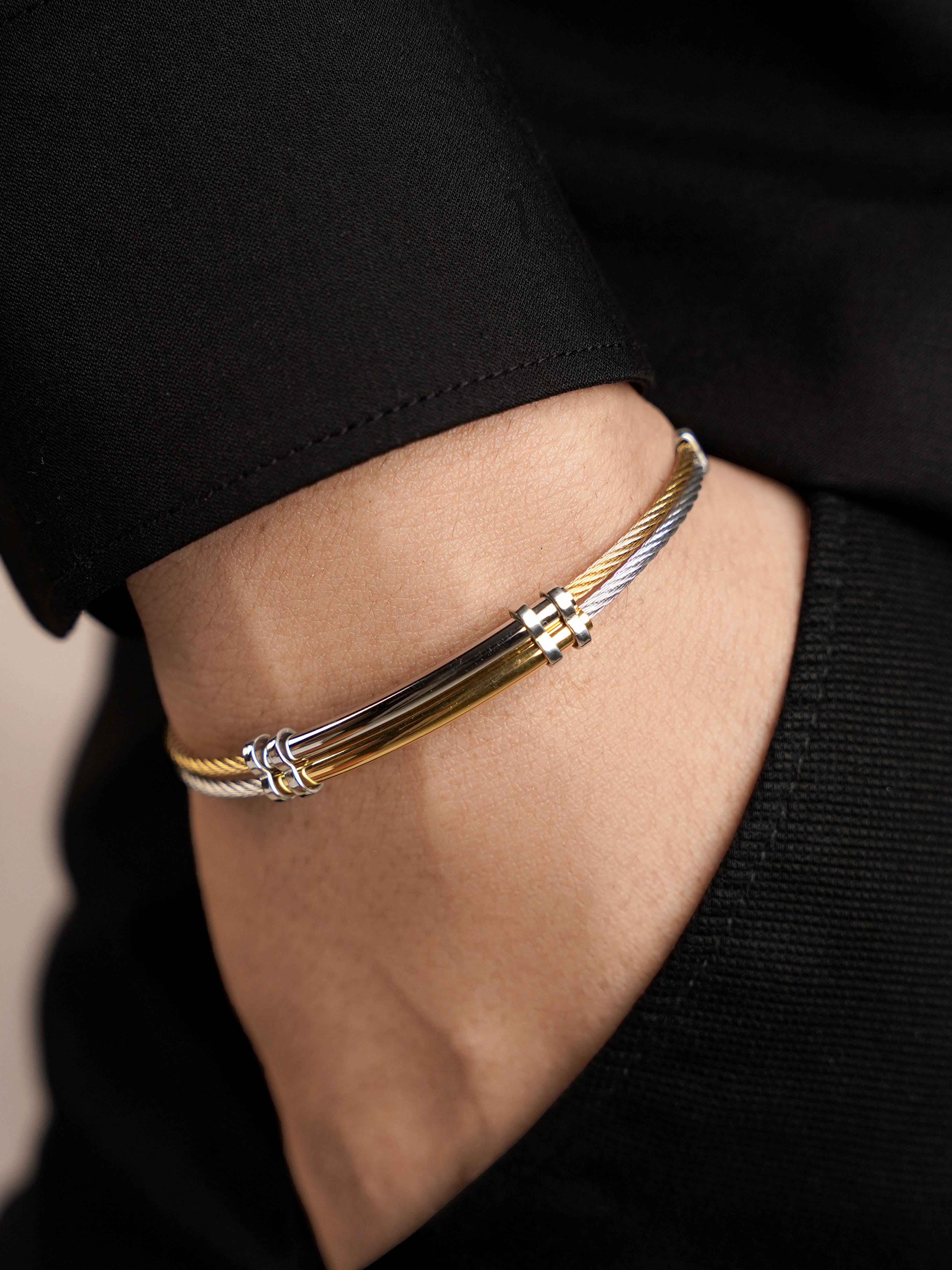
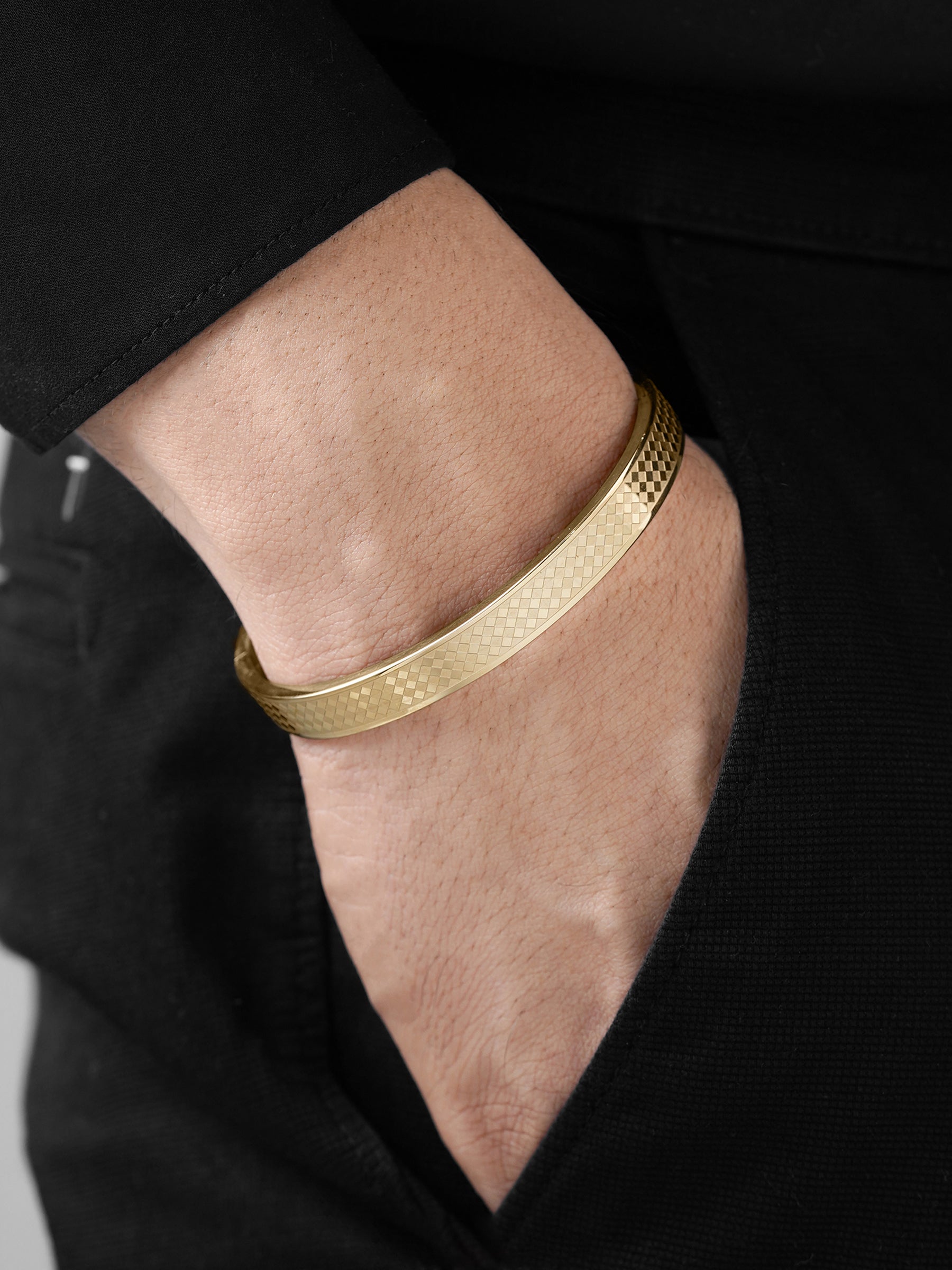
Now the fun part balance. The cleanest way to style a watch is to let it own one wrist and build a little story on the other. Stack a few women's bracelets on your free wrist to balance the weight of the watch and keep your look intentional rather than lopsided.
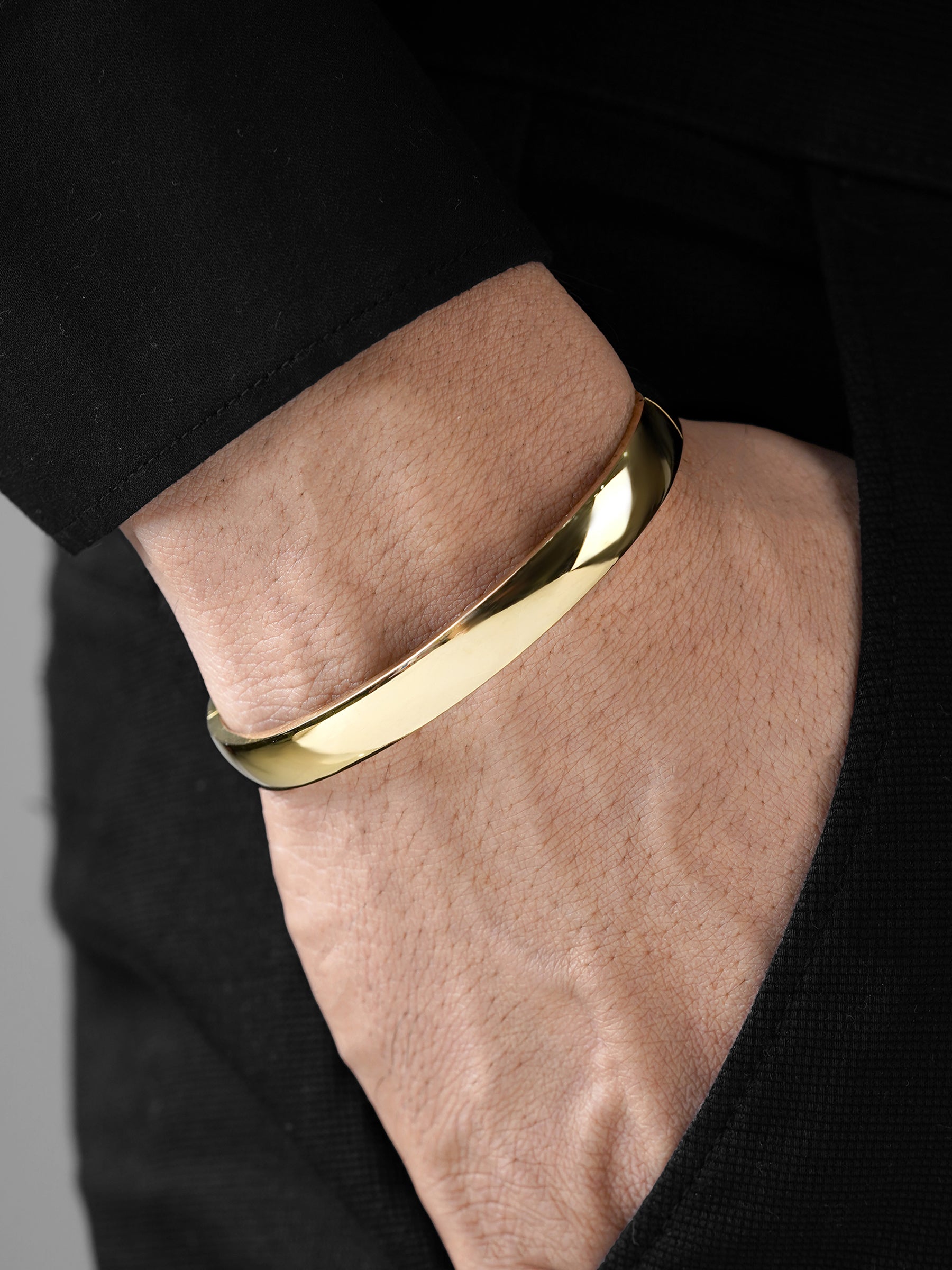
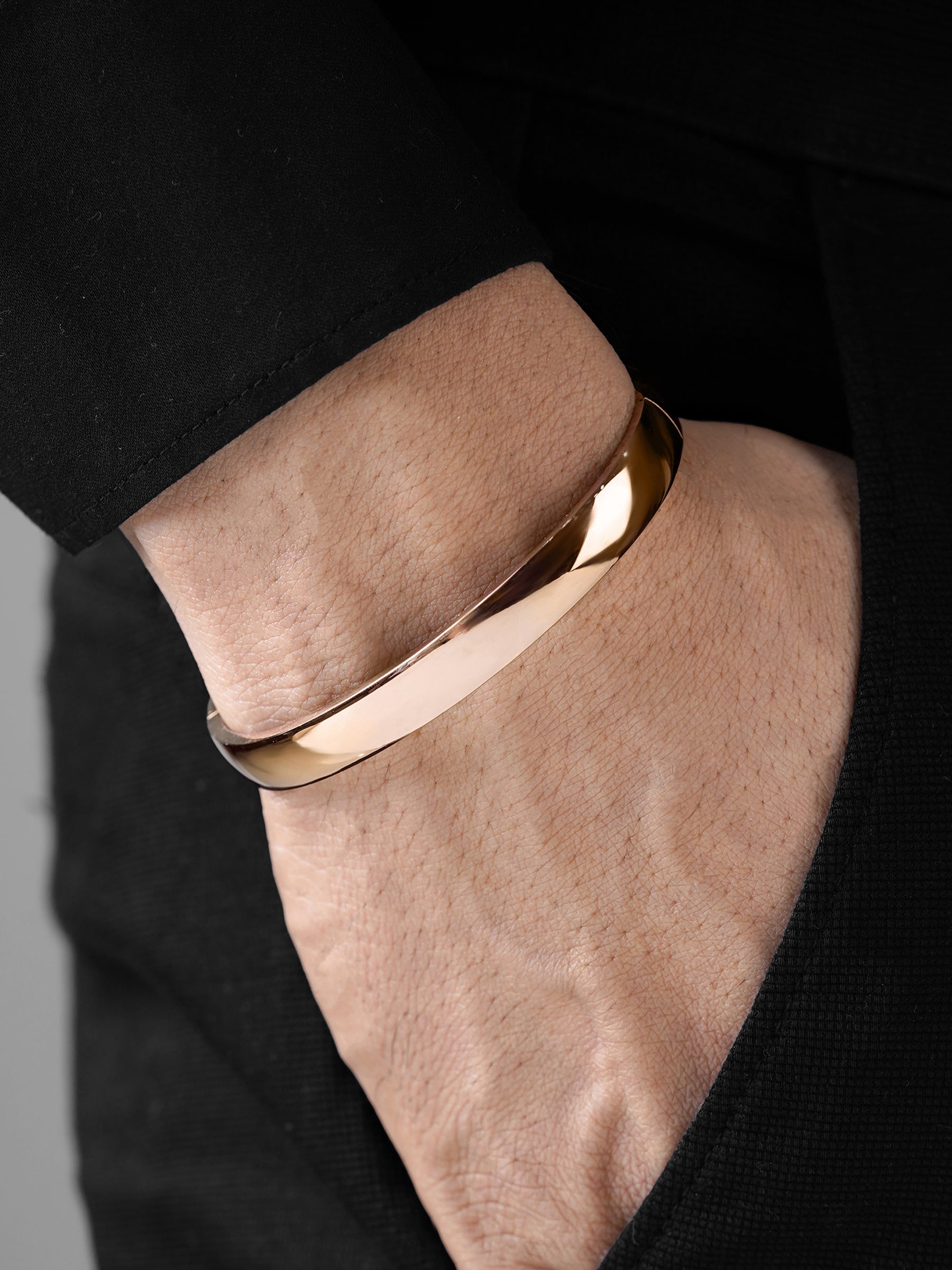
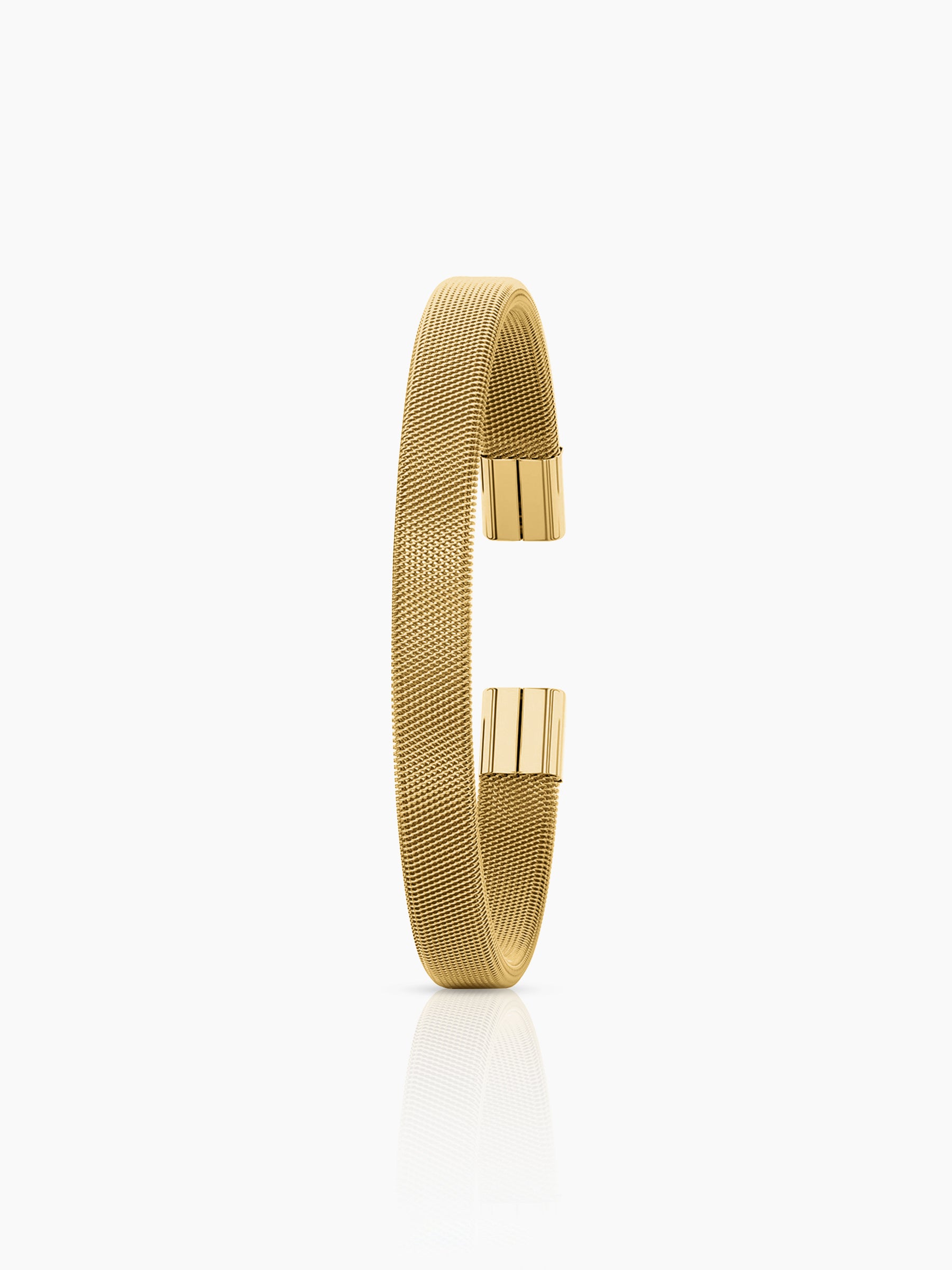
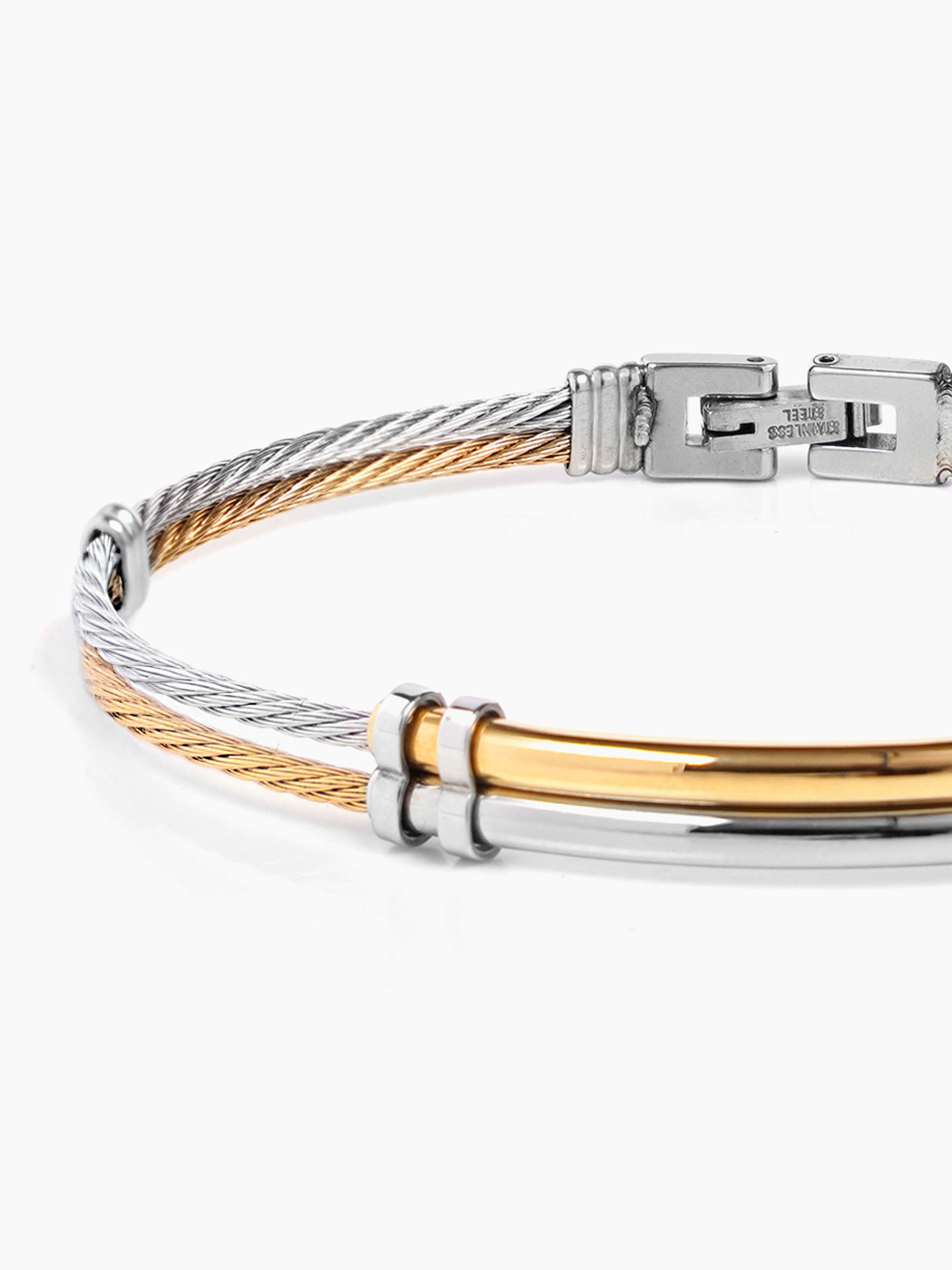
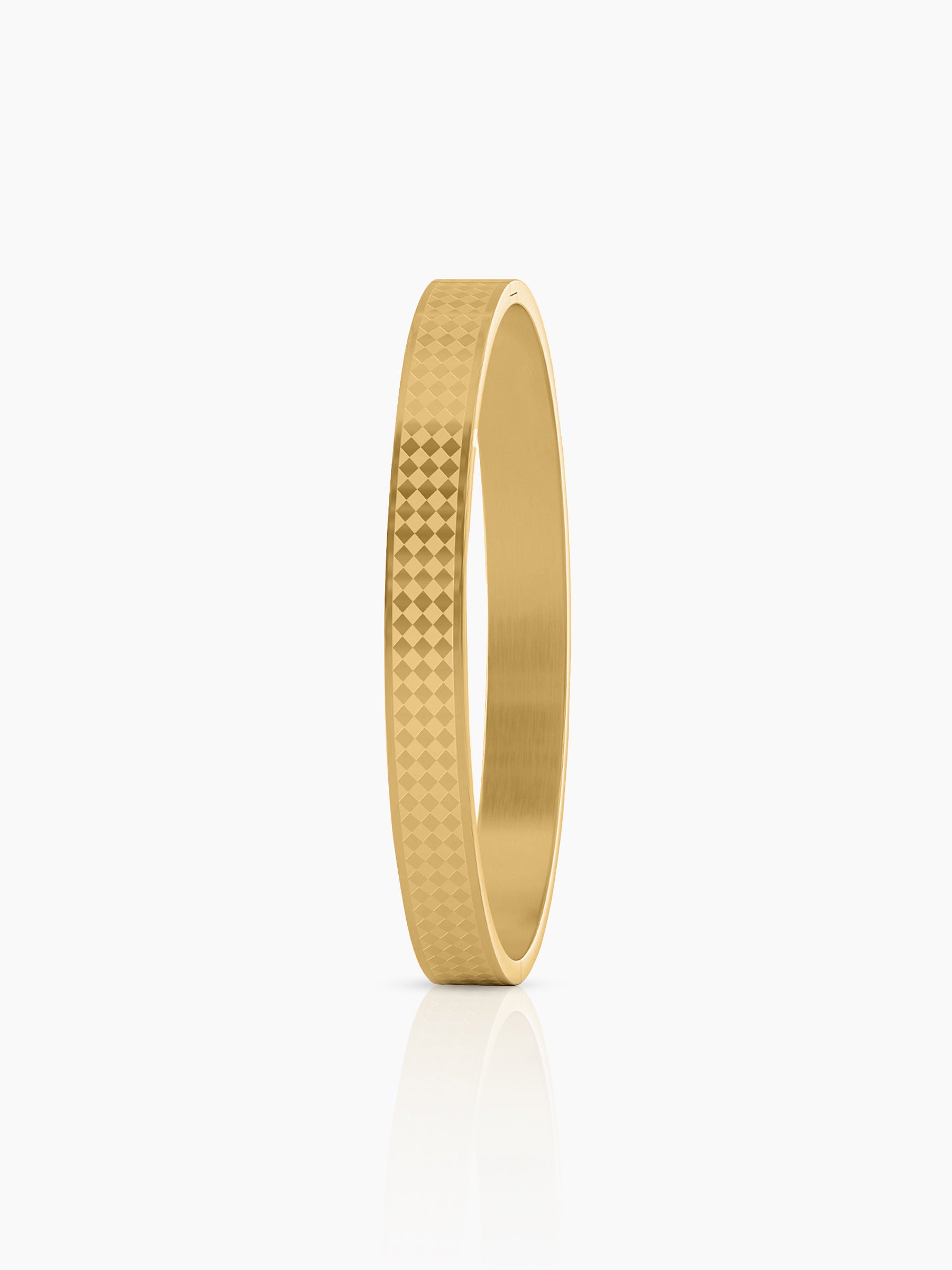
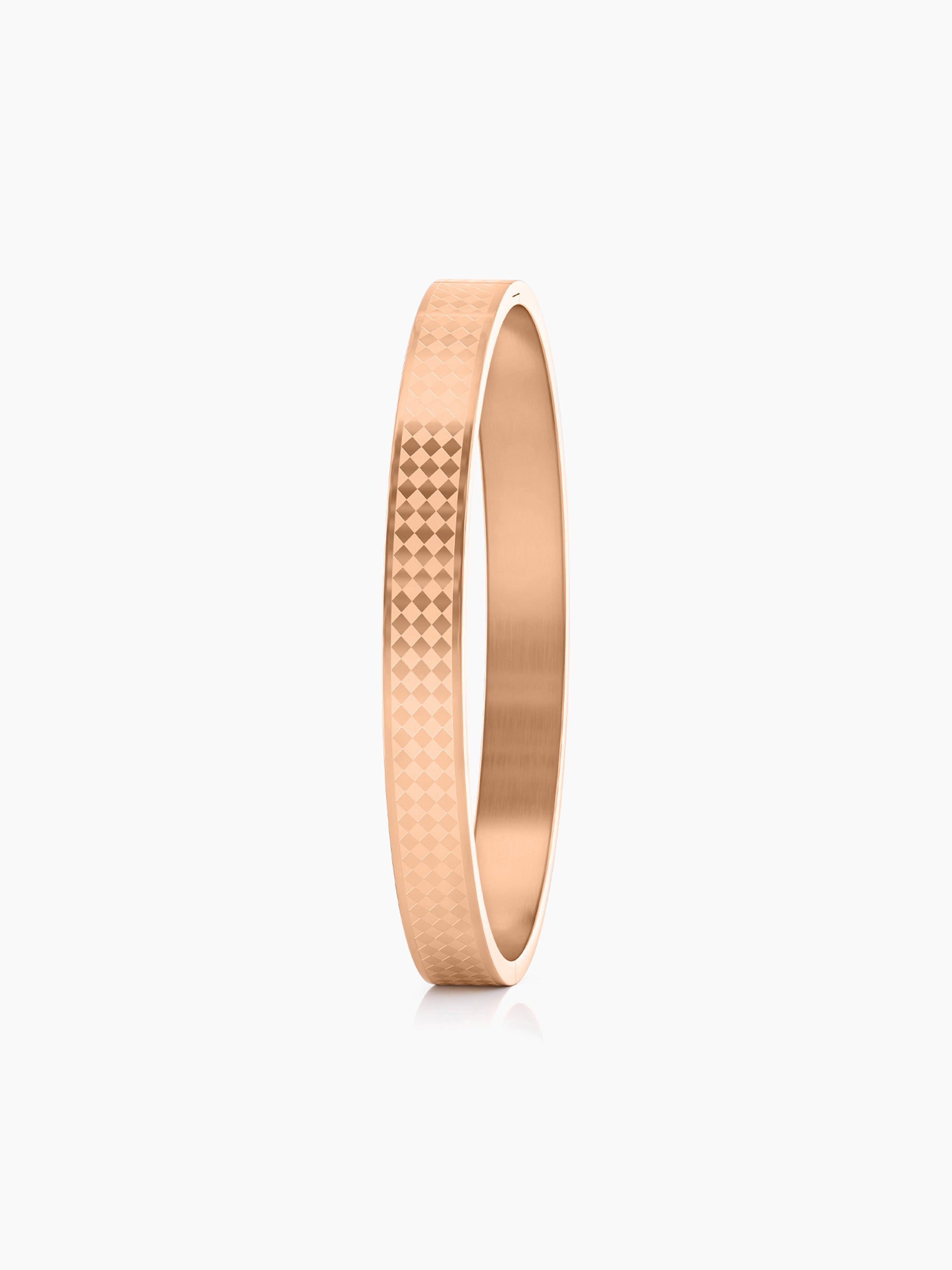
Love a layered moment? Stack a few bracelets of varying widths for that effortless, collected feel. Prefer something cleaner? A sleek cuff opposite your watch reads as refined and modern with almost no effort.
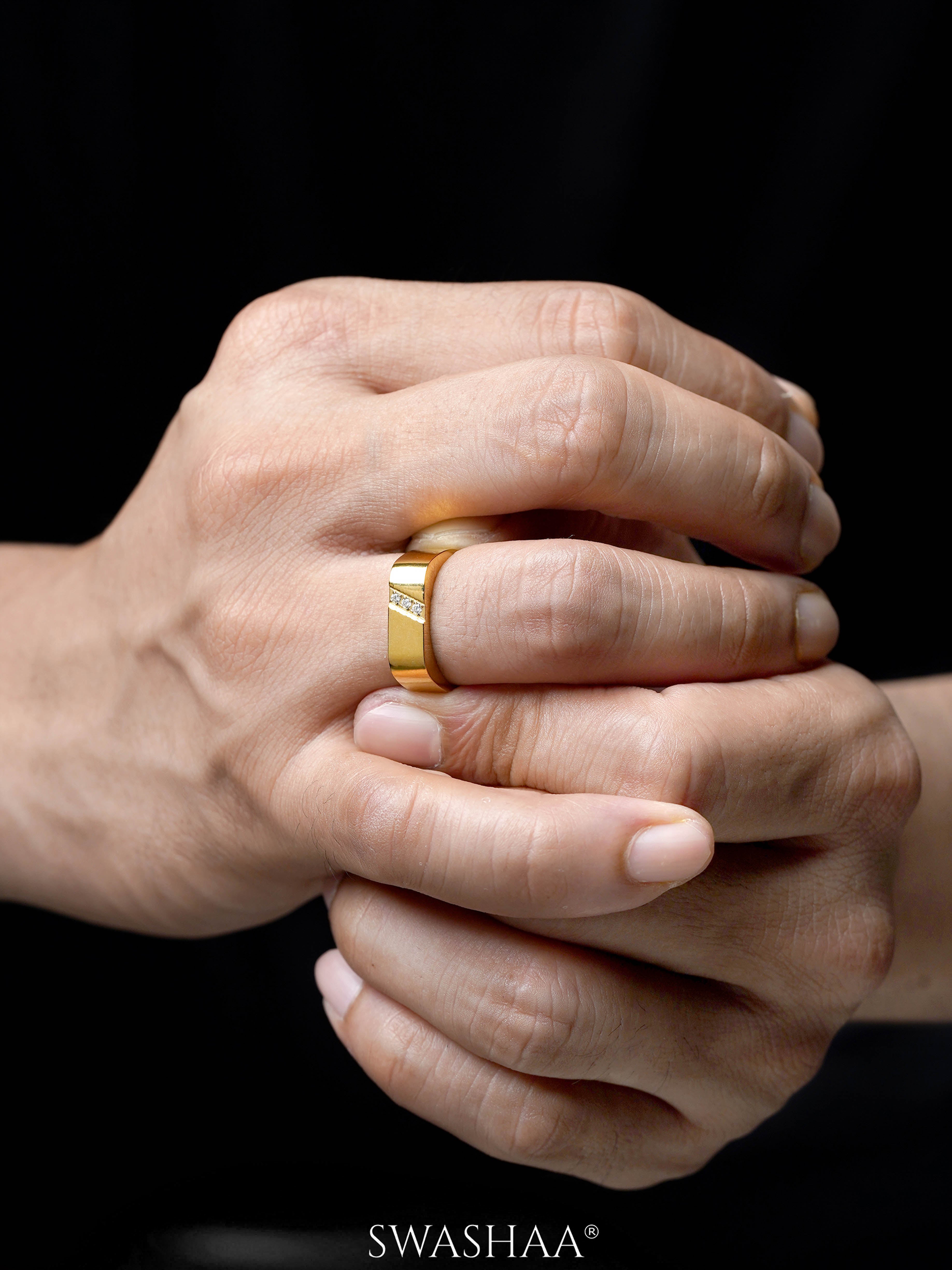
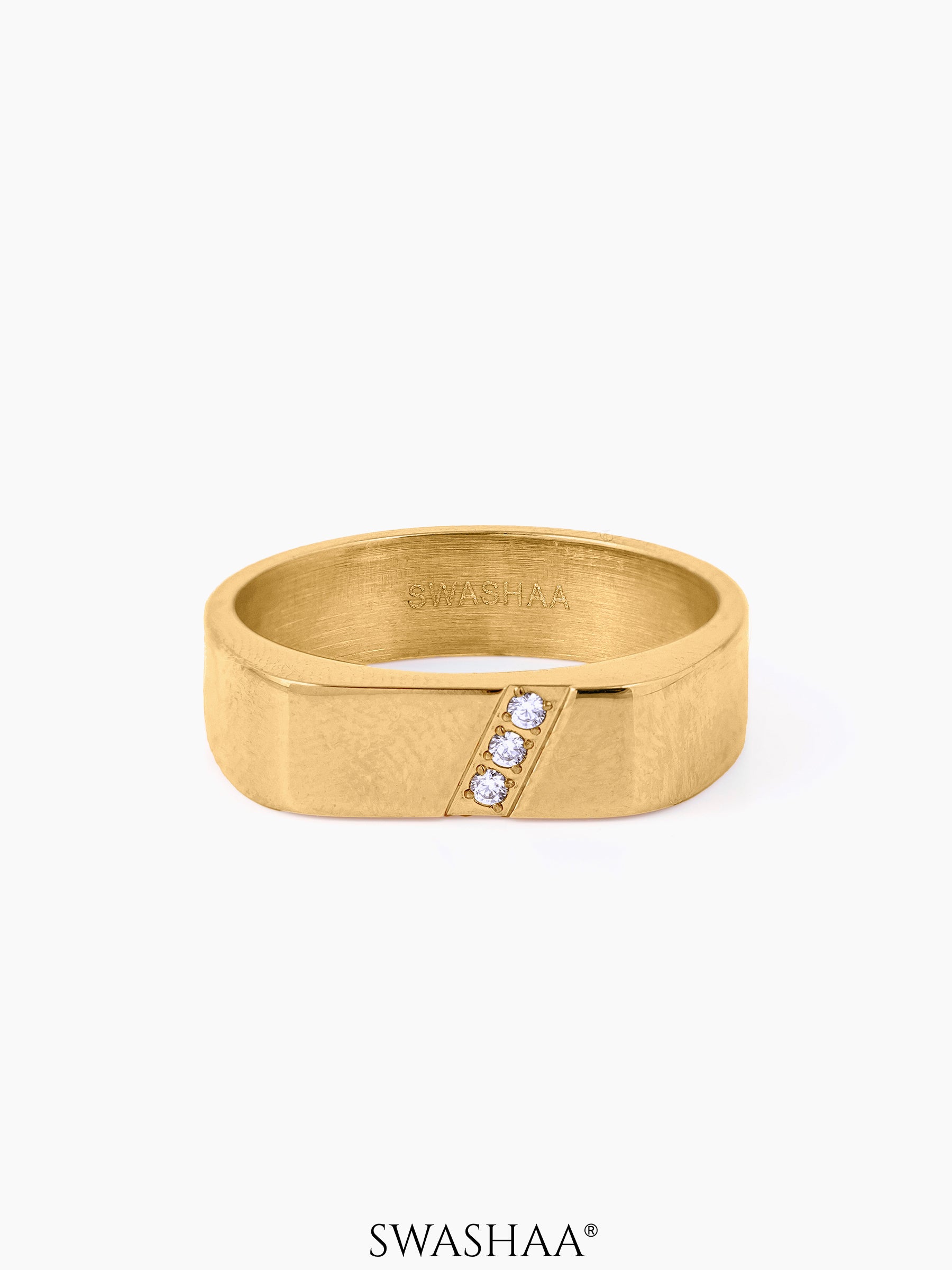
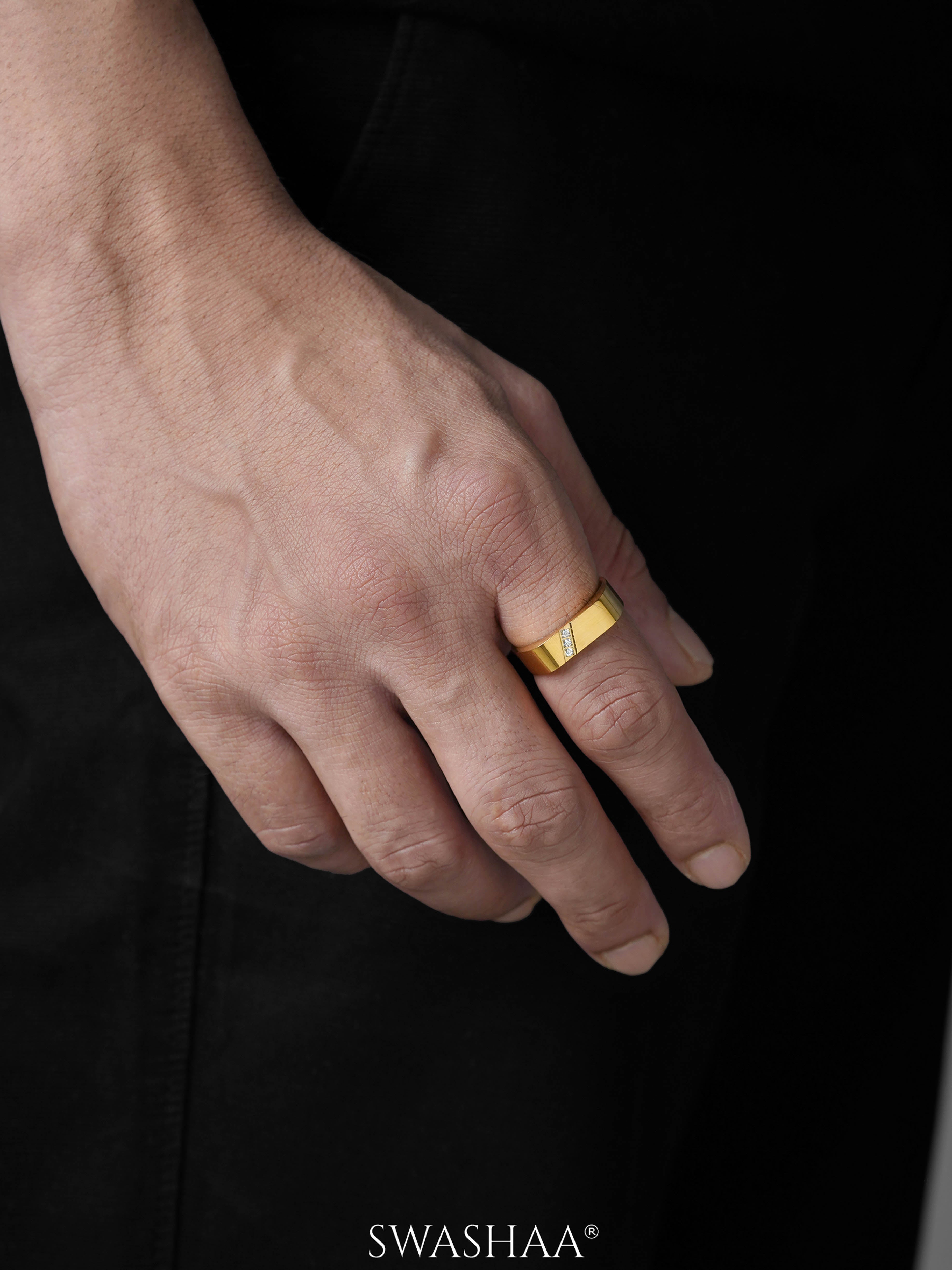
And don't forget your hands. If you want your women's rings to be the focal point, keep them on one hand and let the watch anchor the other that way nothing competes, and every piece gets its moment.
One last tip: wear just one watch at a time, and keep the surrounding pieces in the same metal family for a finish that looks pulled together. Minimal effort. Maximum polish.
Frequently Asked Questions
Is there a rule about which wrist women should wear watches on?
Not a strict one. Tradition leans toward the left wrist because most people are right-handed, but it's a convention rather than a rule. Today, women wear watches on whichever wrist feels most comfortable and looks best with their style left or right, both are completely correct.
Is it bad luck to wear a watch on the right wrist?
No. There's no bad luck attached to either wrist. The right-wrist choice is simply less common because most people are right-handed, which makes a right-wrist watch look more deliberate and expressive not unlucky. Wear it wherever feels natural to you.
Can women switch wrists for wearing watches?
Absolutely. Many women switch wrists depending on the day, the outfit, or which other jewellery they're wearing. You might wear your watch on the left for work and move it to the right when you want to show off bracelets or rings on the other hand. It's entirely up to you.
Why do most people wear watches on their non-dominant hand?
Comfort and protection, mostly. The non-dominant hand moves less, so the watch stays out of the way during daily tasks and is less likely to get knocked or scratched. The crown on most watches also sits on the right, making it easier to adjust when worn on the left wrist.
Are there cultural differences in watch-wearing habits?
Some, yes. In many cultures, significant jewellery like rings is traditionally worn on the left hand, so women often keep watches there too, creating a coordinated focal point. But these are soft customs, not firm rules, and personal preference increasingly guides the choice across the world.
Which wrist is best for fitness watches?
For fitness and smartwatches, the non-dominant wrist is usually best. It tends to move less during activity, which helps sensors like heart-rate and SpO2 stay in steady contact with your skin for more reliable readings. Comfort and a secure fit matter more here than the left-or-right tradition.
What matters most when choosing which wrist to wear a watch on?
Comfort first, style second. Pick the wrist that feels natural through your day, keeps the watch out of the way of your busy hand, and complements how you wear your rings and bracelets. The "right" wrist is simply the one that feels and looks best on you.
The Bottom Line
So, which wrist do women wear watches on? Traditionally the left but the real answer is whichever one feels right for you.
There's no rulebook here. Comfort, hand dominance, and how your watch sits alongside your other jewellery matter far more than convention. Left reads as classic and easy. Right reads as considered and confident. Both are entirely yours to choose.
The finishing touch is everything around it. Balance your watch with the right pieces on the other wrist, and the whole look comes together effortlessly.
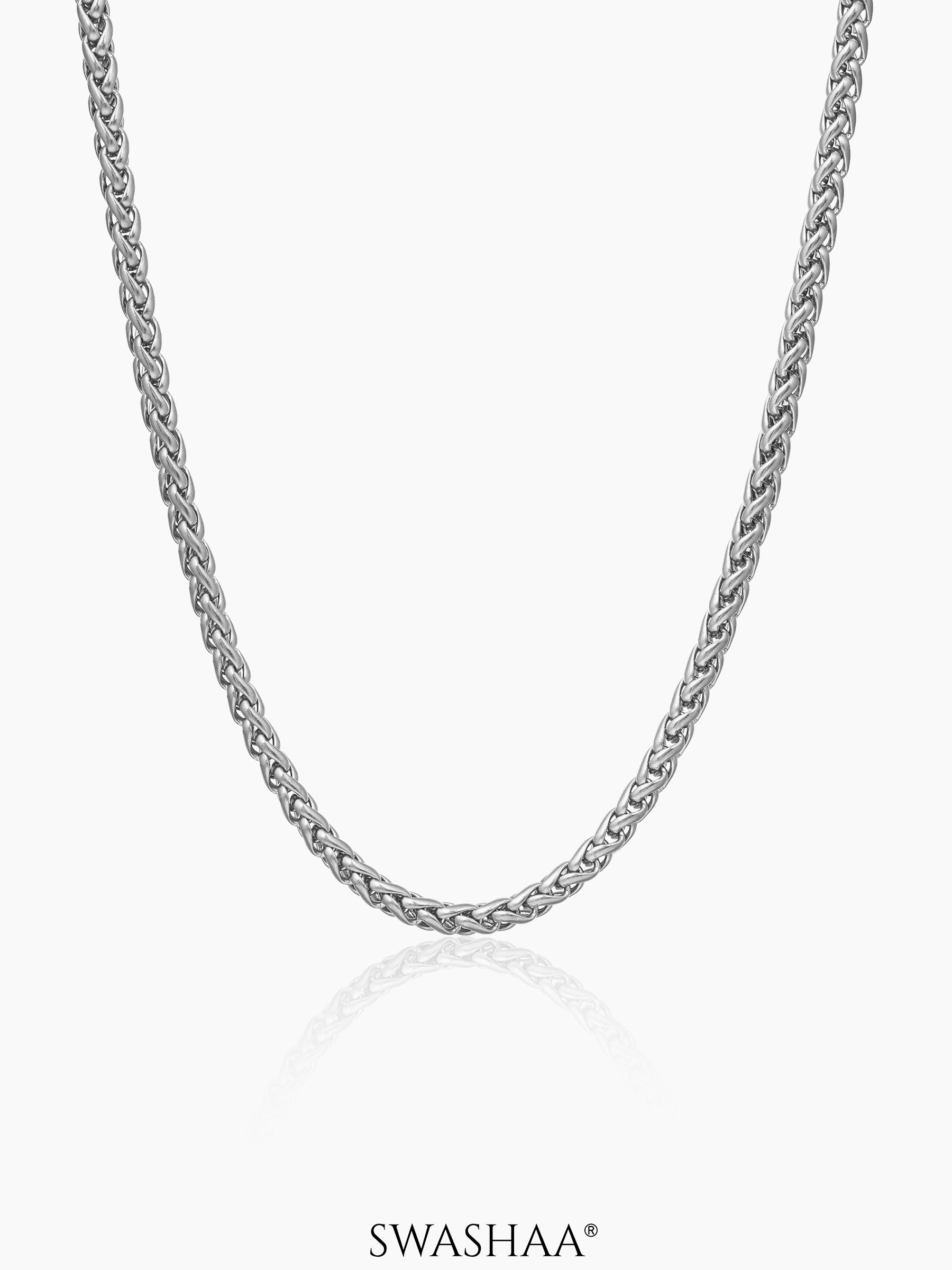
Ready to style your wrist your way? Explore Swashaa's best-selling pieces and build a look that's unmistakably you.














Share:
Top Karva Chauth Gifts for Wife: Best Jewellery Ideas to Make Her Feel Special
Different Types of Rings: Names, Styles & Popular Designs for Women