
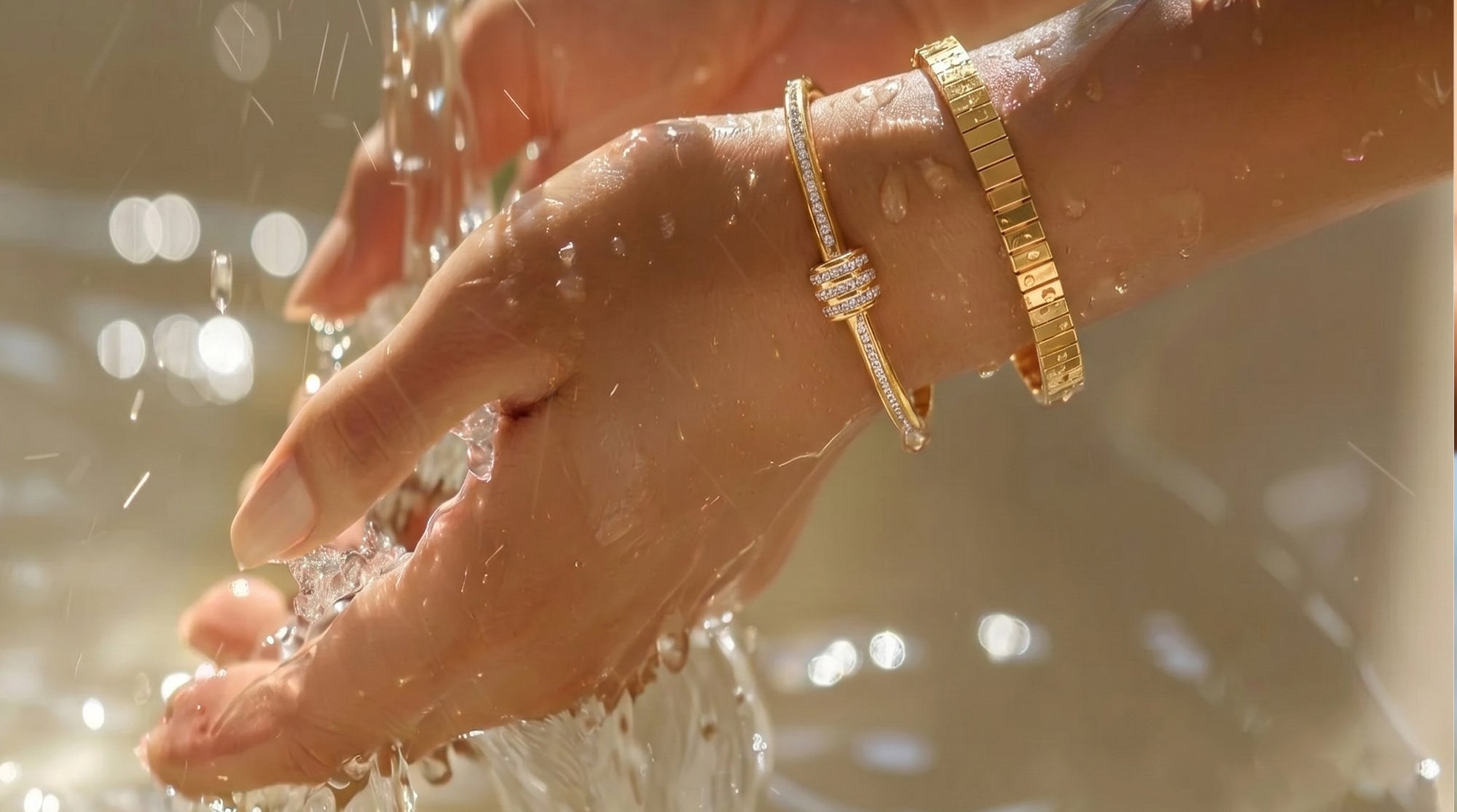
You bought a necklace you loved. Wore it a few times. And then it went dull. Maybe a little dark. Maybe slightly green around the clasp. And you quietly stopped wearing it.
This is one of the most common frustrations with fashion jewellery. And it's entirely avoidable if you know what anti-tarnish means, and what to look for when you buy.
Anti-tarnish jewellery is designed to stay bright, shiny, and wearable for far longer than standard pieces. It's not magic. It's material science and once you understand how it works, you'll never go back to buying pieces that fade in a season.
This guide explains the anti-tarnish meaning in simple terms, how the technology works, what metals are involved, and exactly what benefits you can expect. Whether you're shopping for the first time or wondering why your current pieces tarnish this is what you need to know.
What Does Anti-Tarnish Mean?
Anti-tarnish (हिंदी में: एंटी-टार्निश) simply means "tarnish-resistant." In jewellery, it refers to pieces that have been made or treated in a way that significantly slows down or prevents the dulling, darkening, and discolouration that happens naturally over time to most metals.
Anti-tarnish meaning in Hindi: धातु के आभूषणों पर जंग या कालापन न आने देने की प्रक्रिया या गुण essentially, the quality or treatment that prevents a metal from losing its shine and colour.
It doesn't mean the piece will stay perfect forever without any care. What it means is that it holds its colour, brightness, and finish far longer than untreated jewellery and requires significantly less maintenance to stay beautiful.
Think of it as jewellery built for your real life. Wear it. Style it. Forget to take it off occasionally. It still shows up looking good.
Why Does Jewellery Tarnish in the First Place?
Tarnishing is a natural chemical reaction not a sign of poor quality in itself, but a consequence of metal meeting the world.
When metals like silver, brass, or copper come into contact with sulfur compounds in the air, oxygen, moisture, sweat, perfume, or skin oils, a thin layer of corrosion forms on the surface. This is what creates that familiar dull, darkened, or sometimes greenish appearance on jewellery you've worn regularly.
Sterling silver is particularly prone to tarnishing because it reacts quickly with airborne sulfur. Brass and copper react similarly. Even gold-plated pieces can show wear once the base metal beneath begins to show through.
Anti-tarnish jewellery is engineered specifically to interrupt or slow down this process keeping the surface shielded from the elements that cause it.
How Does Anti-Tarnish Jewellery Work?
The protection in anti-tarnish jewellery comes from one or more of these methods, applied during manufacturing:
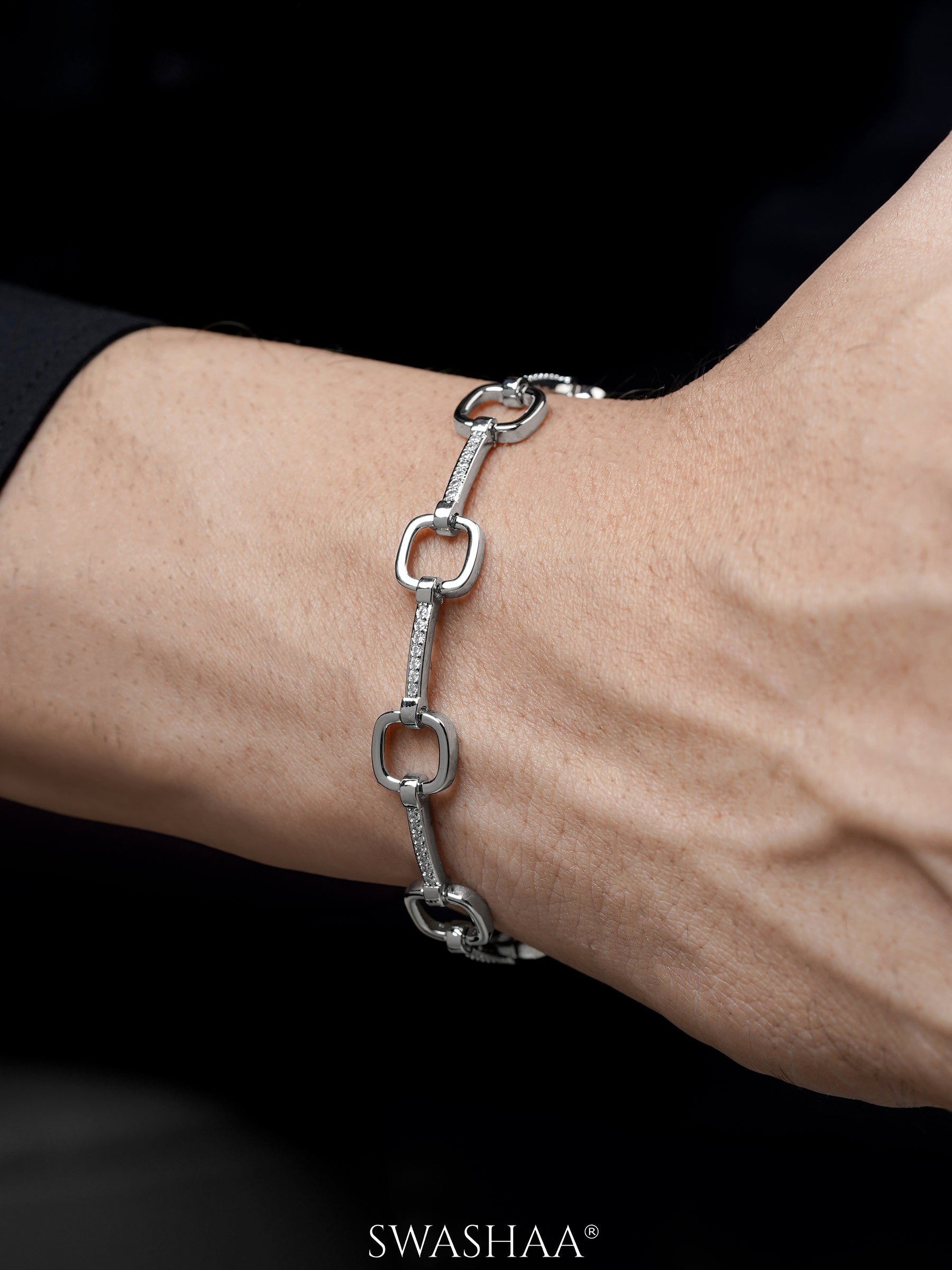
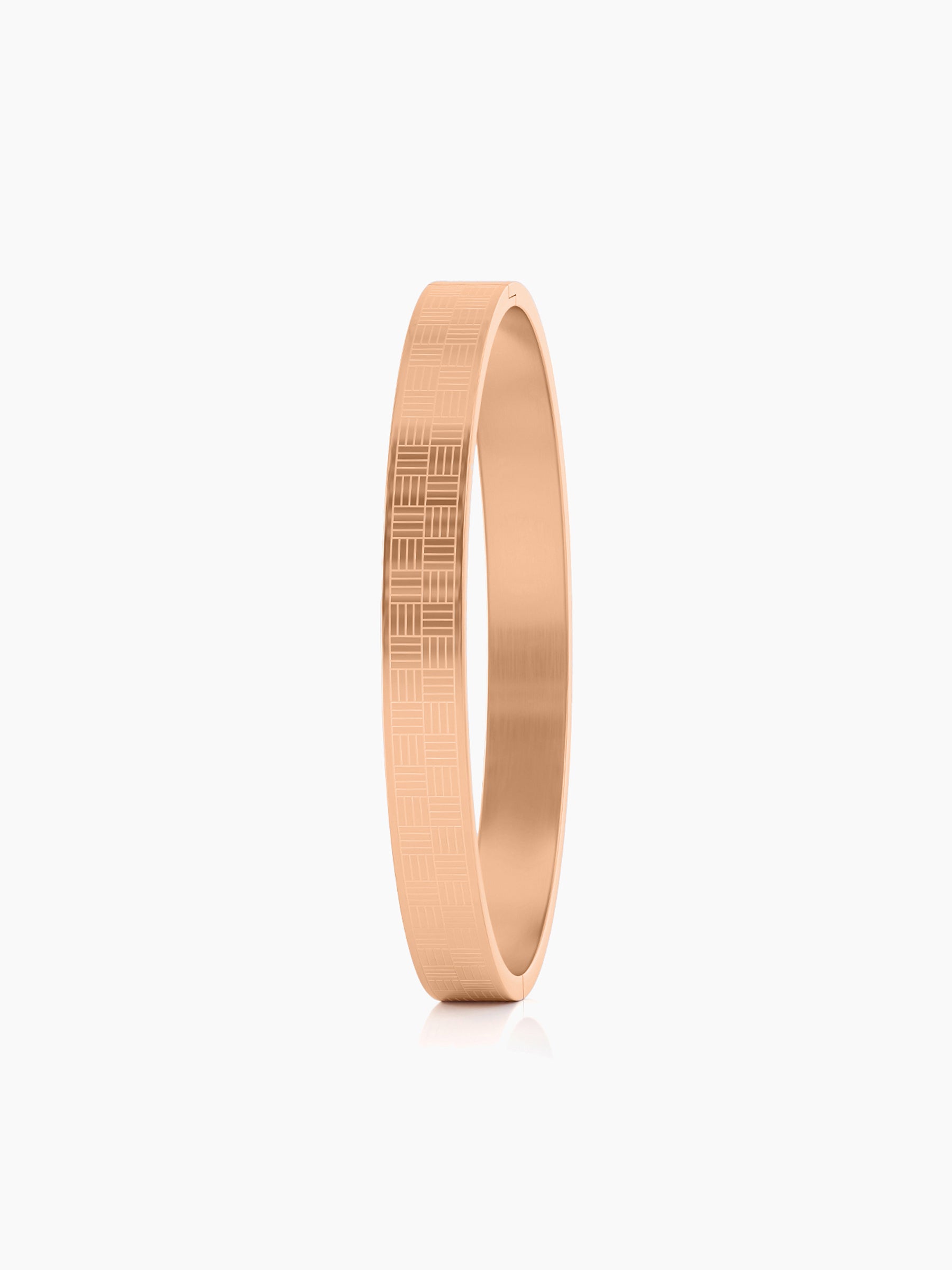
Rhodium Plating Rhodium is a rare, highly durable metal from the platinum family. A thin layer of rhodium applied over silver or gold creates a hard, bright, tarnish-resistant finish that's also scratch-resistant. It's one of the most popular and effective methods for silver jewellery.
E-Coating (Electrophoretic Coating) A clear, invisible protective layer is applied through an electroplating process. It acts as a sealed barrier between the metal surface and the air, moisture, and skin contact that would otherwise cause oxidation. E-coating is particularly effective for fashion jewellery that's designed for frequent, everyday wear.
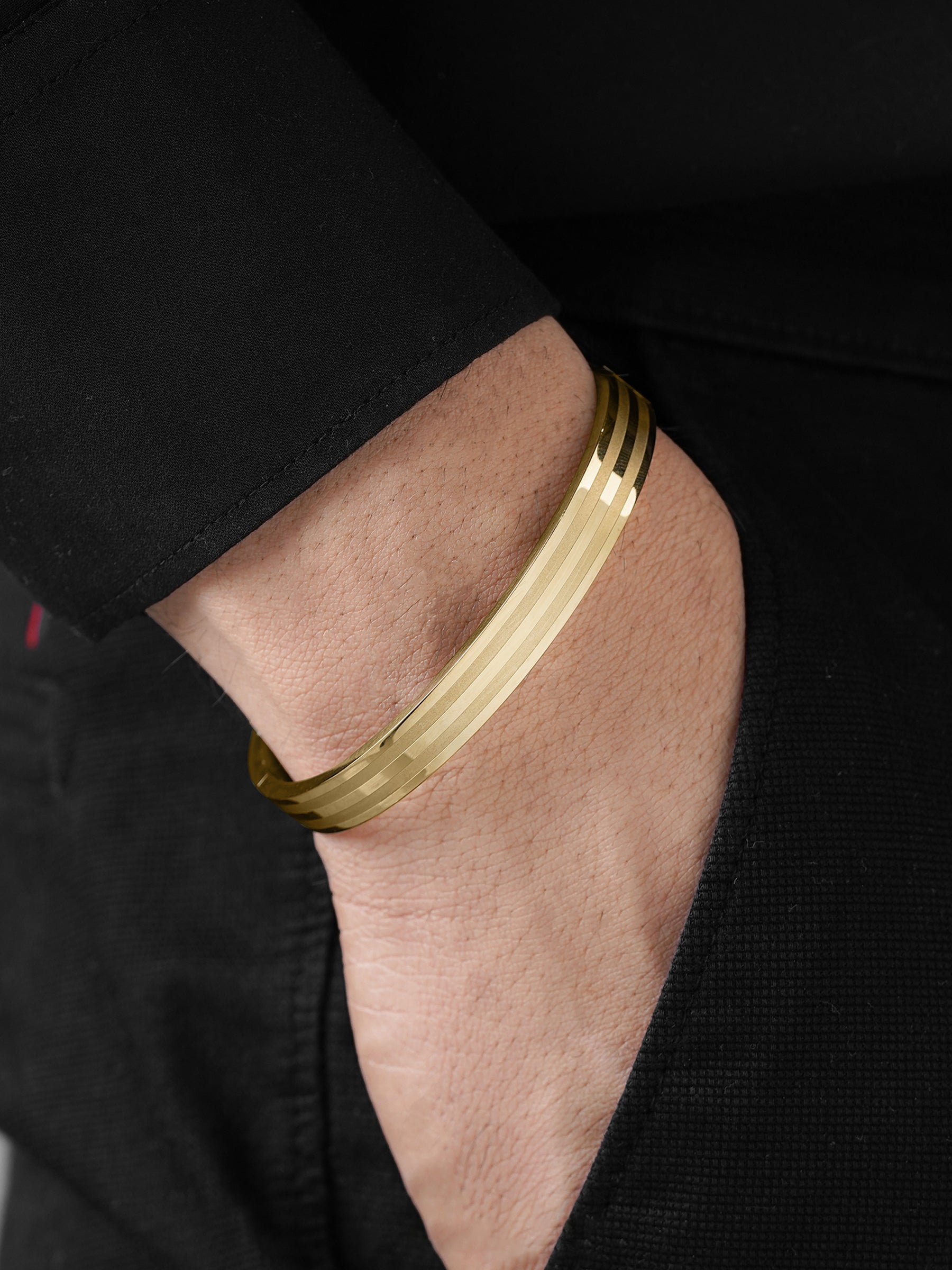
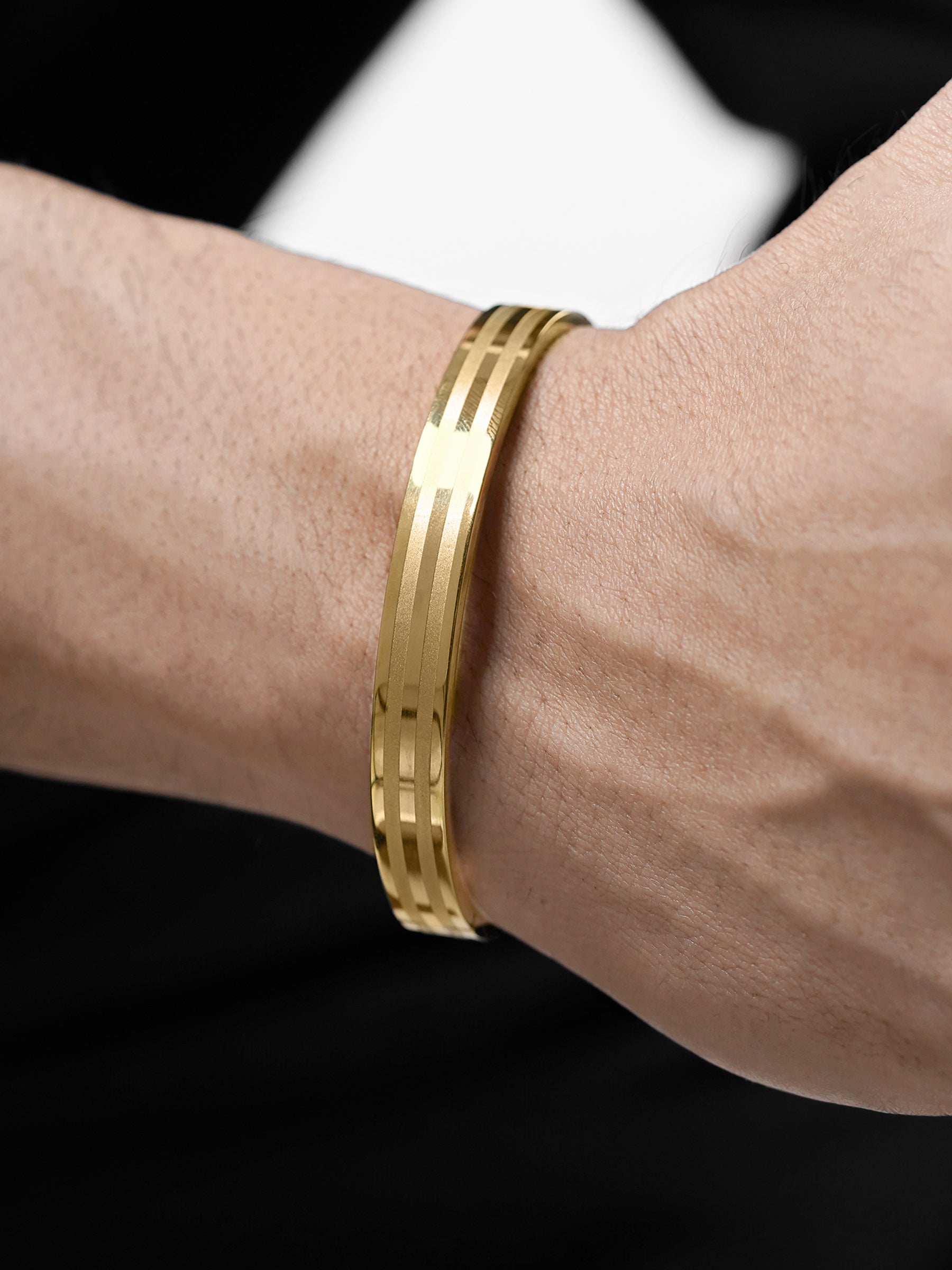
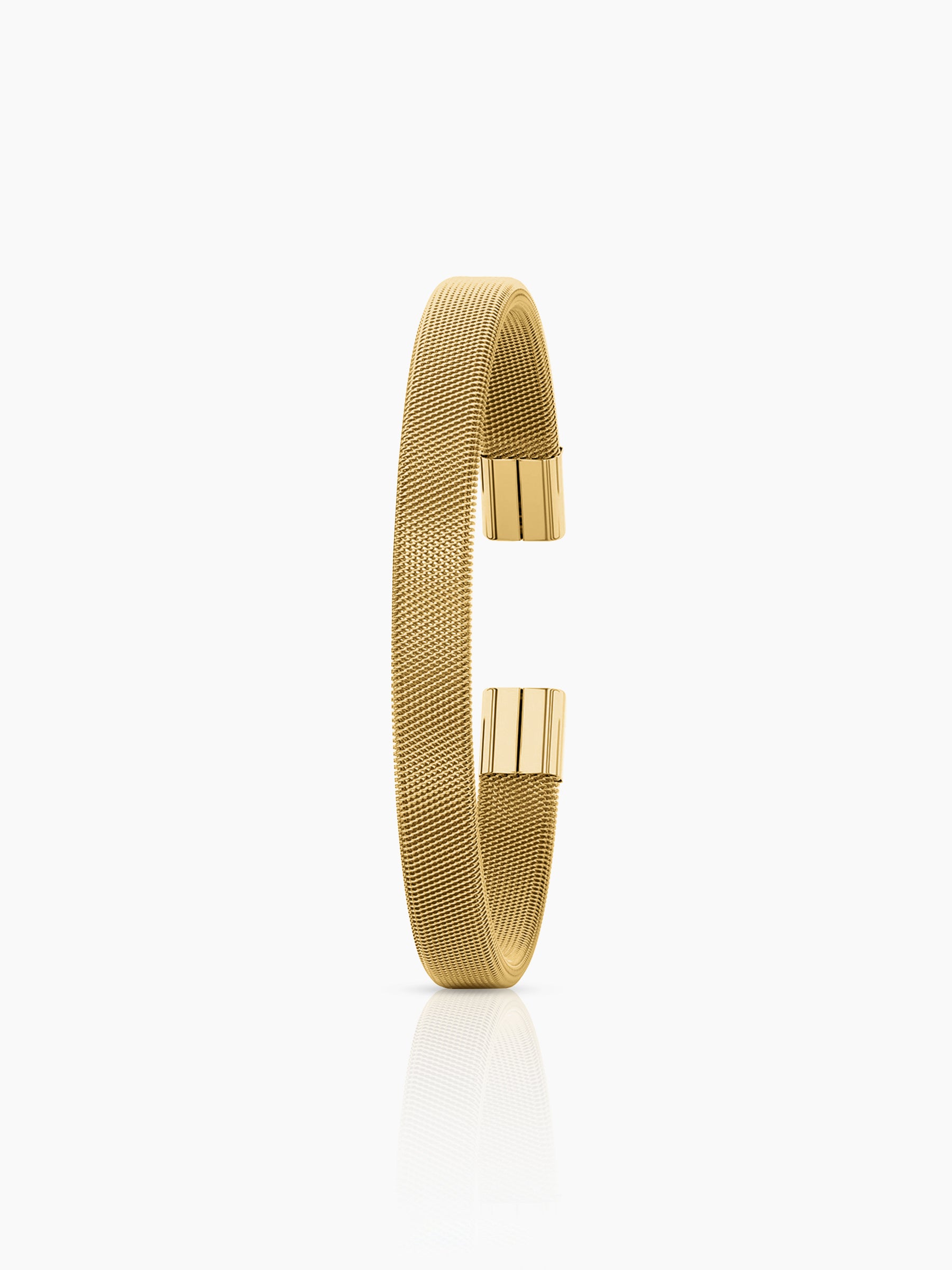
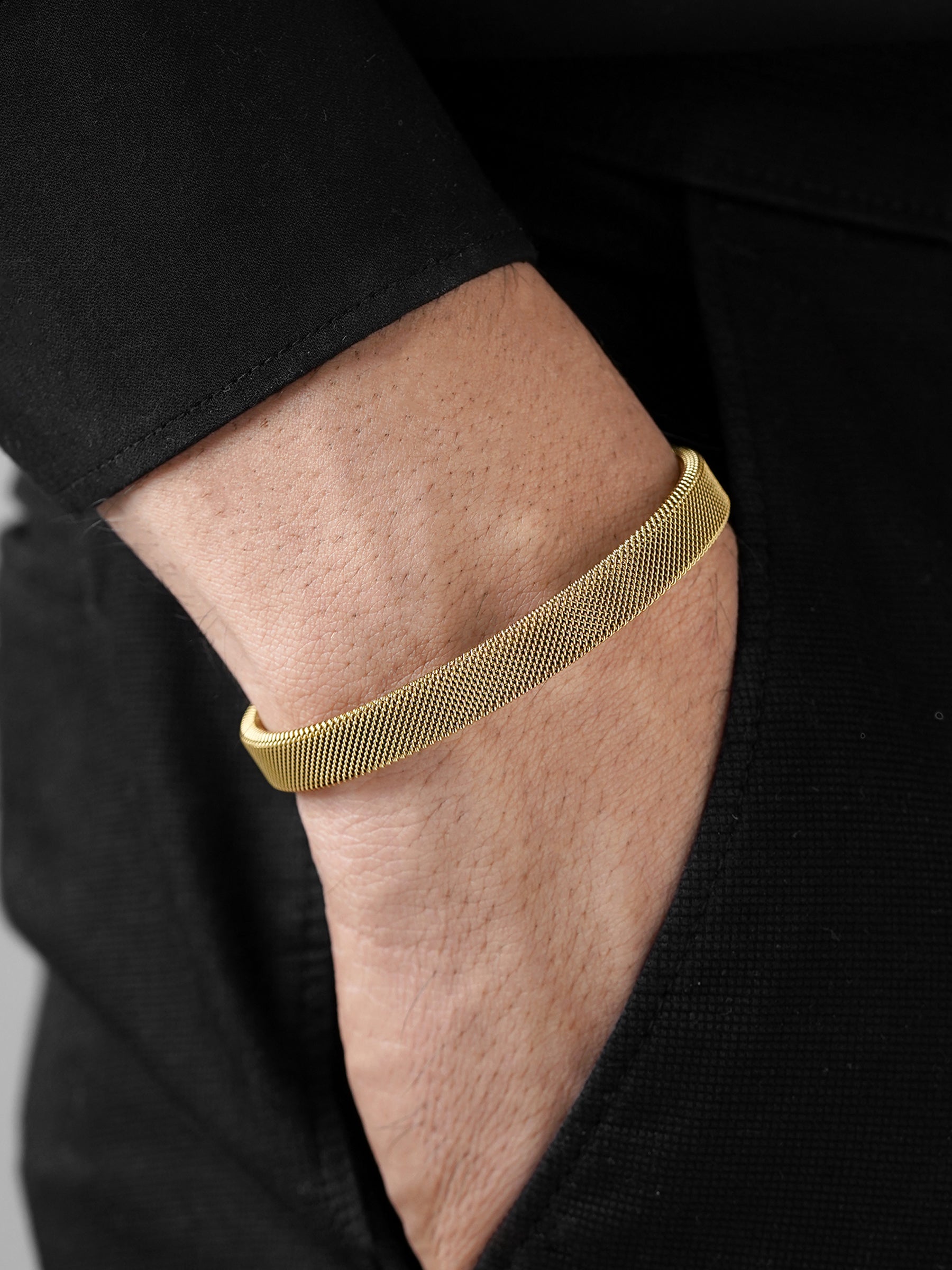
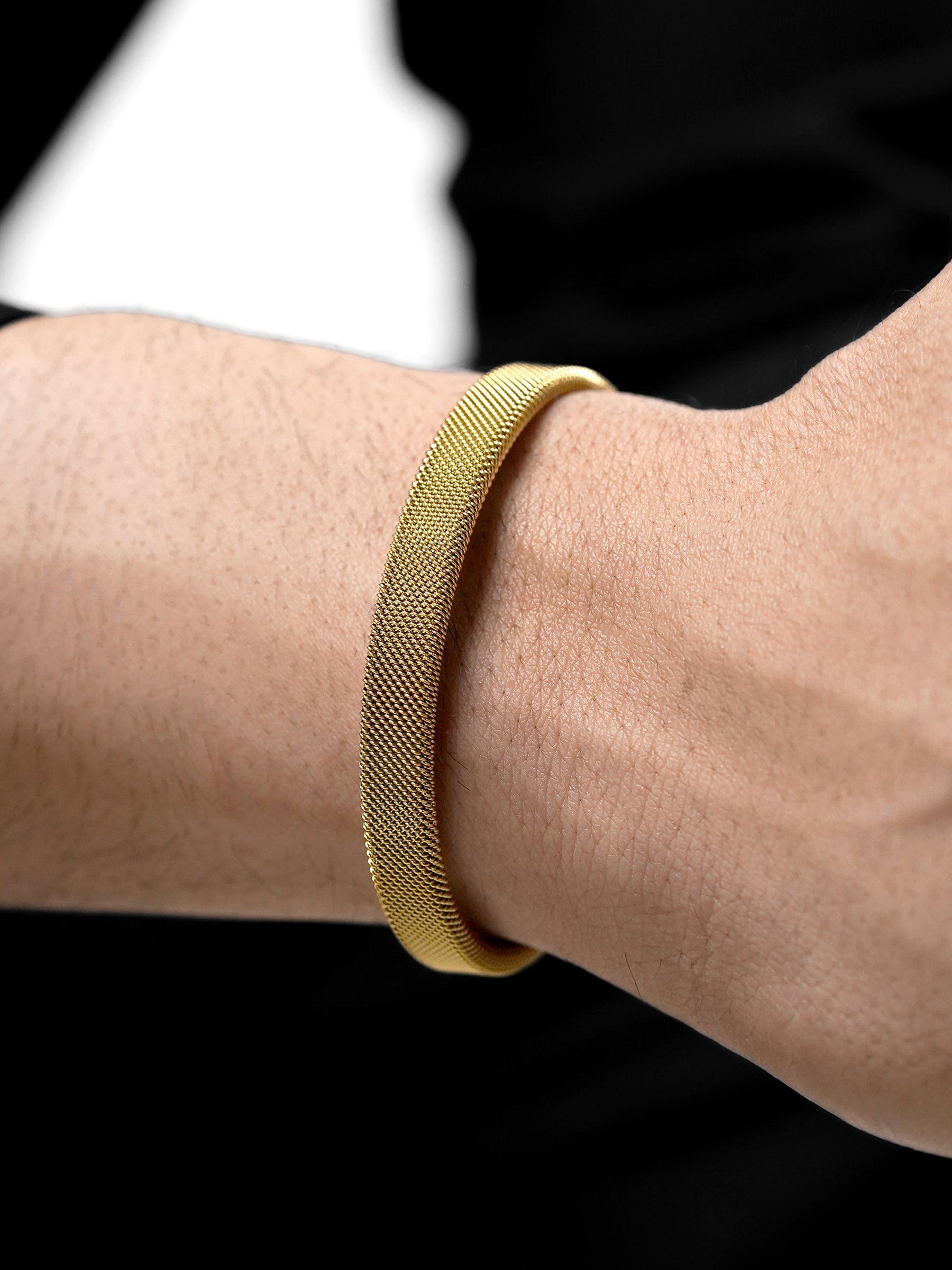
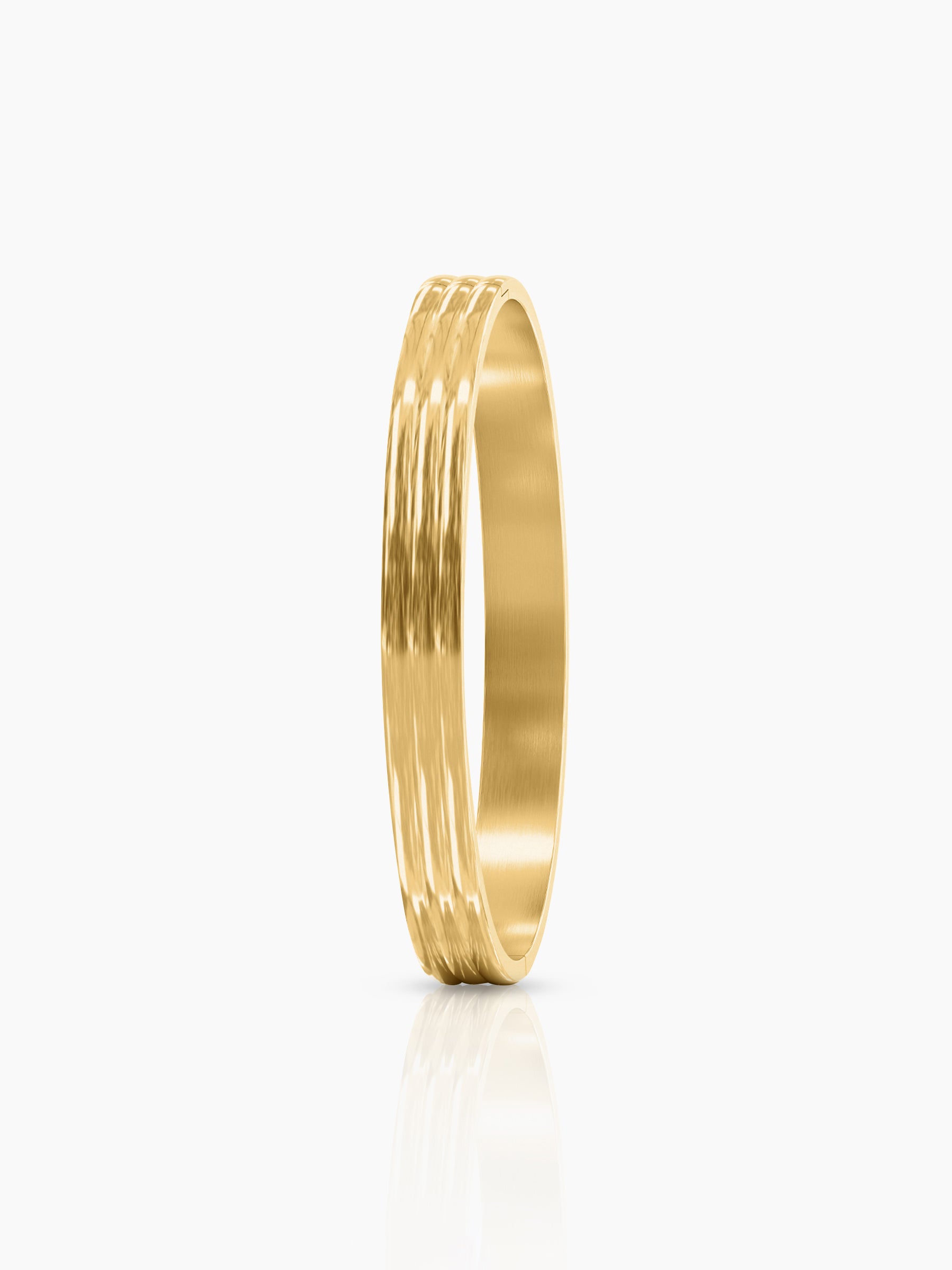
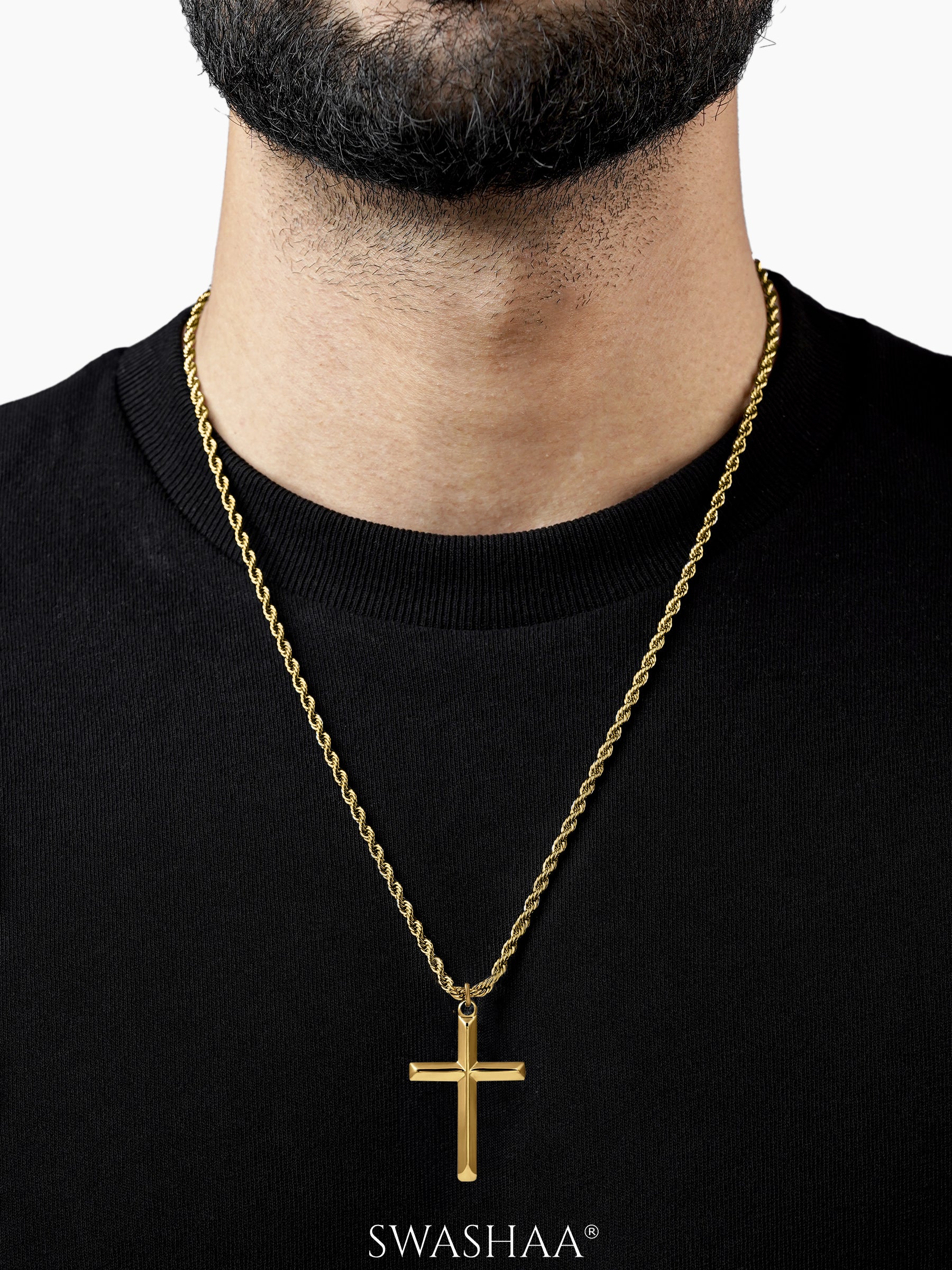
Gold Plating (18k) Coating a base metal with a layer of 18k gold does two things simultaneously it creates the aesthetic finish of gold, and it provides a protective barrier over the reactive metal beneath. The thicker and higher-quality the plating, the longer it holds.
Clear Lacquer Sealant A transparent coating applied over the metal surface to physically block contact with air and moisture. Less durable than rhodium or e-coating long-term, but effective as an added protective layer.
The principle across all methods is the same: create a shield between the metal and the environment. No direct contact, no oxidation, no tarnish.
What Metals Are Used in Anti-Tarnish Jewellery?
The combination of base metal and protective coating determines both how long non-tarnish jewellery stays bright and how safe it is on your skin.
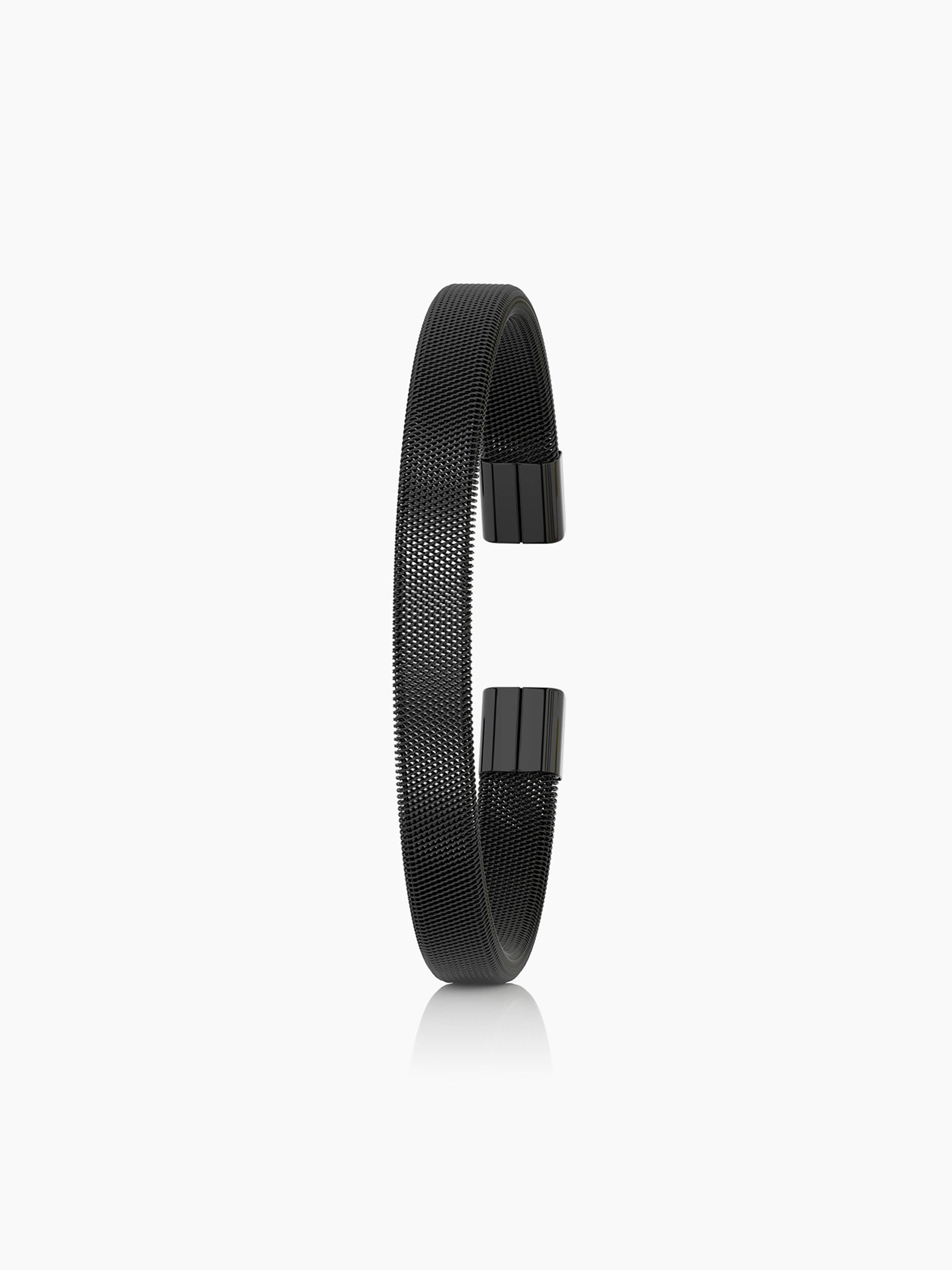
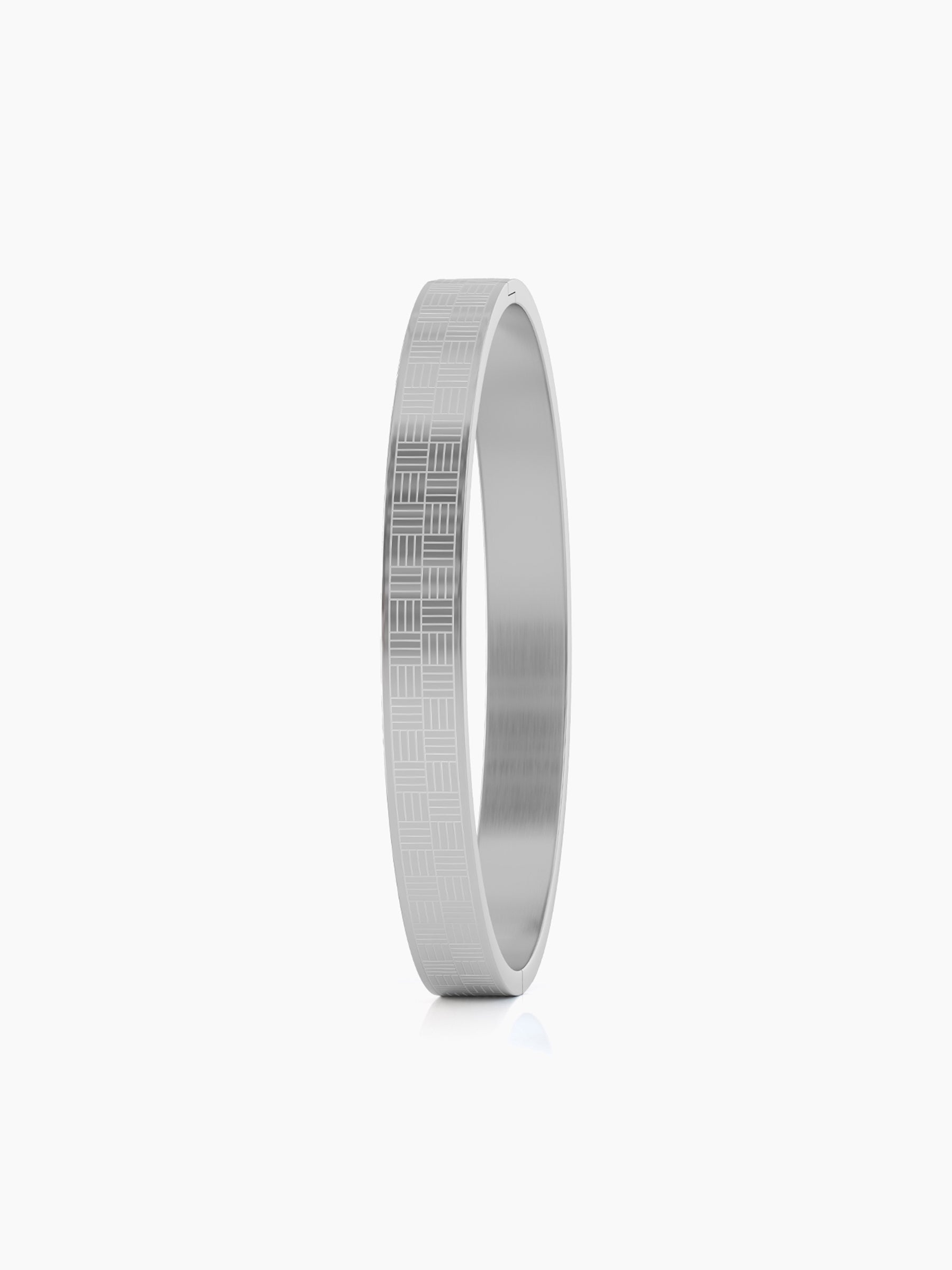
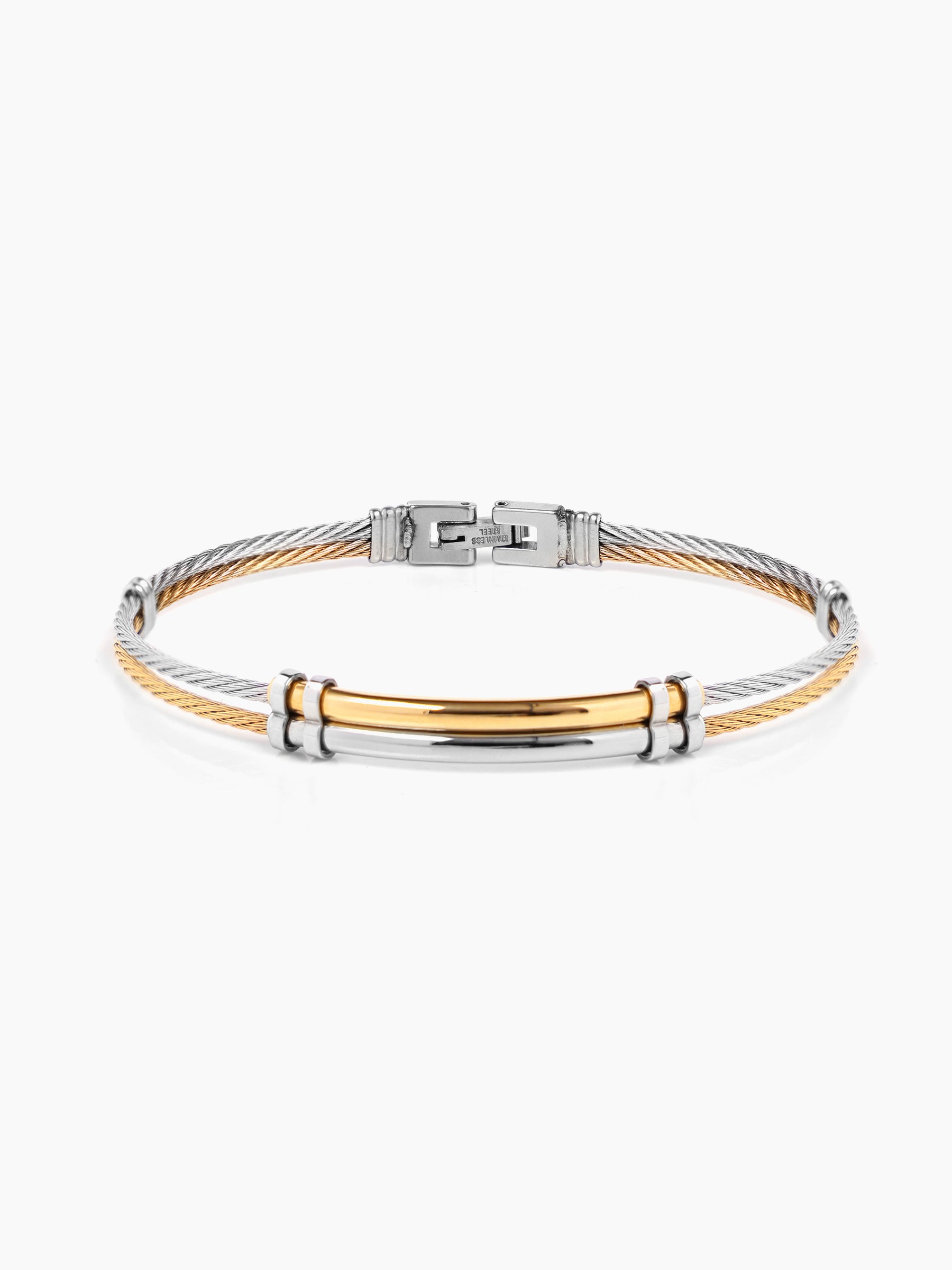
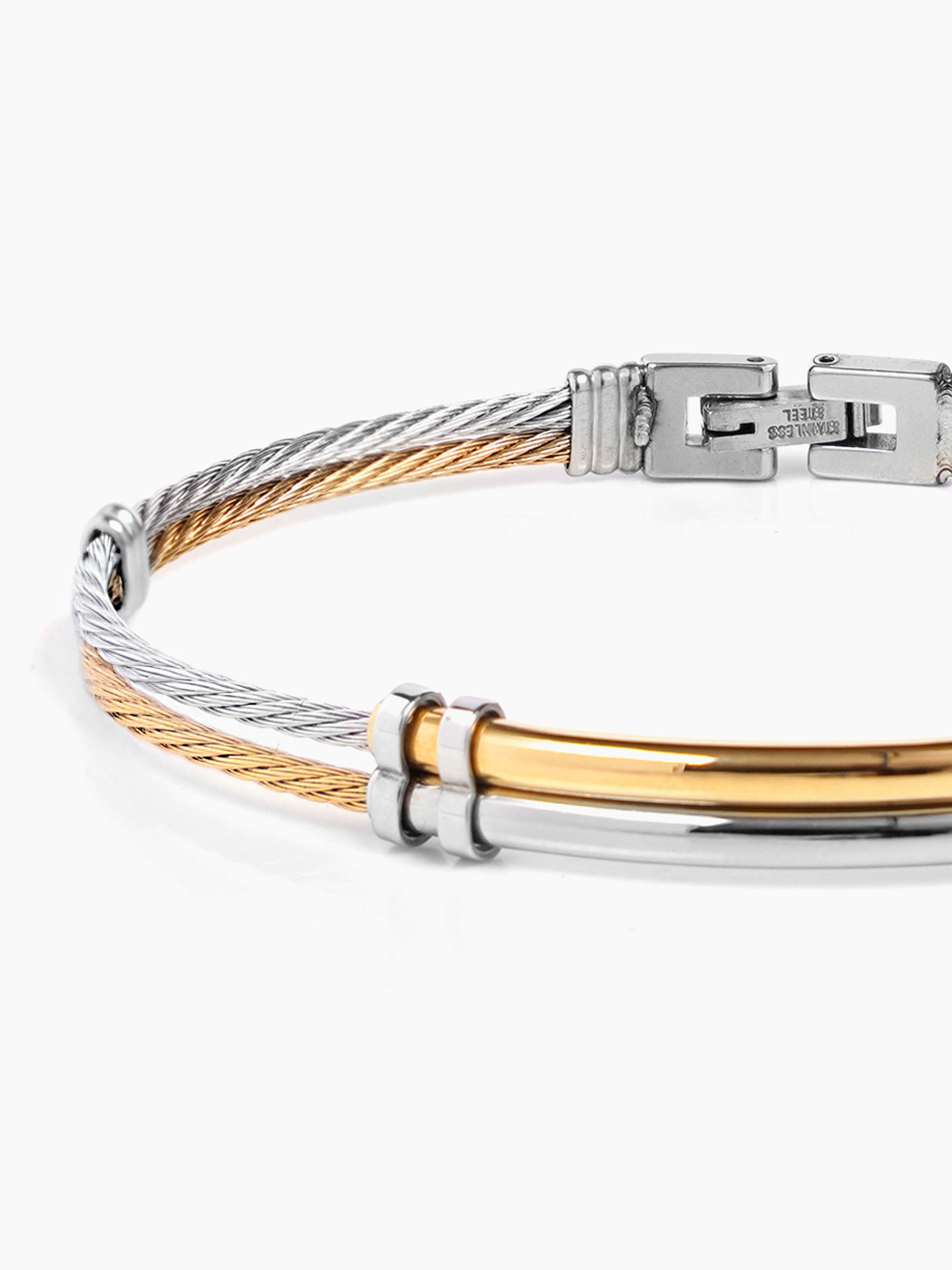
Stainless Steel: Naturally tarnish-resistant due to the chromium content in its composition, which forms its own protective oxide layer. Durable, affordable, and skin-friendly stainless steel needs no additional coating to resist tarnishing.
18k Gold-Plated Base Metals: The gold layer acts as both aesthetic finish and protective shield over the base metal. Higher-karat plating (18k contains 75% pure gold) is more resistant to wear and discolouration than lower-karat options.
Rhodium: Not typically used as a base metal, but as a finishing coat particularly on silver jewellery to add hardness, shine, and strong tarnish resistance.
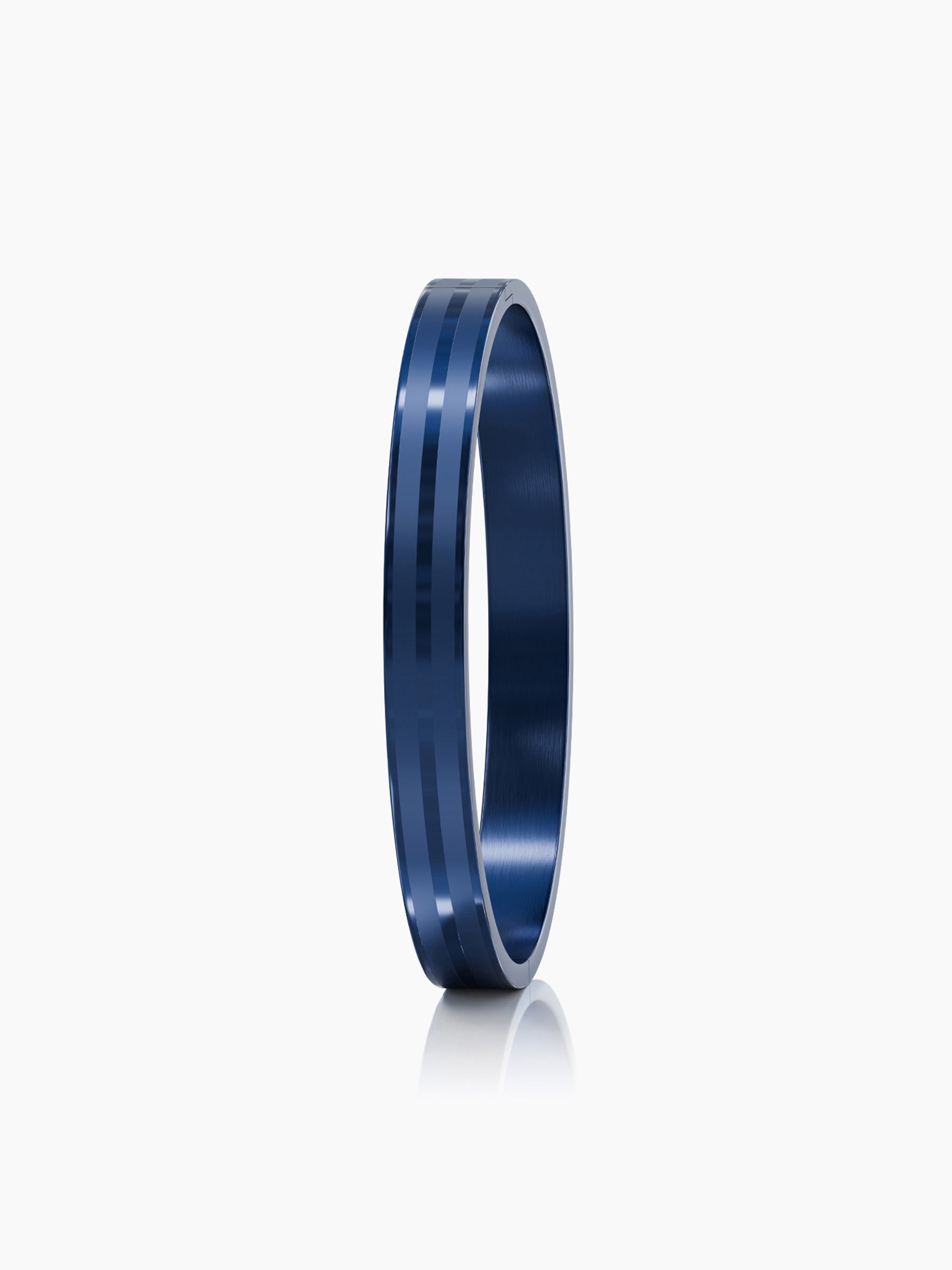
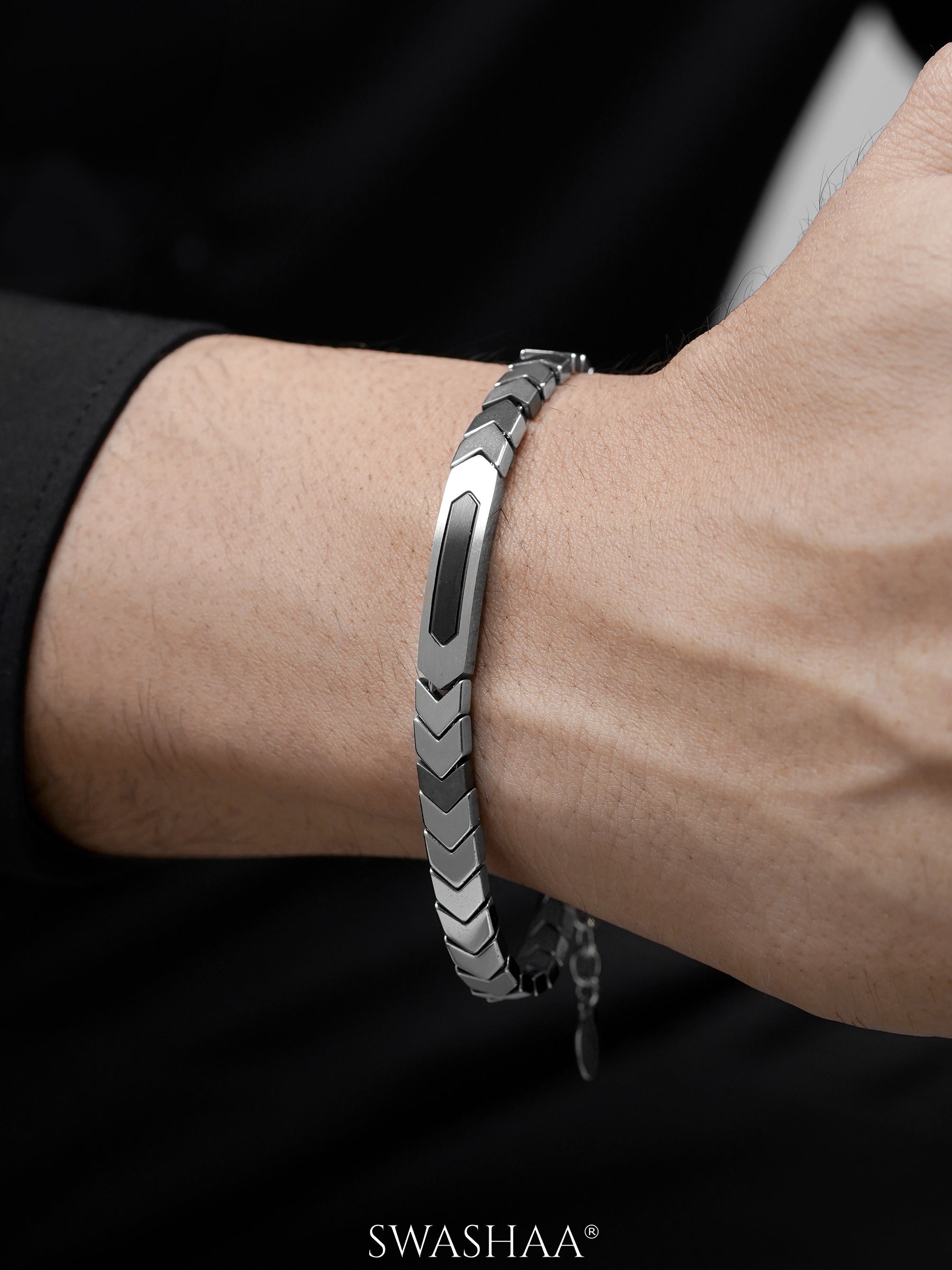
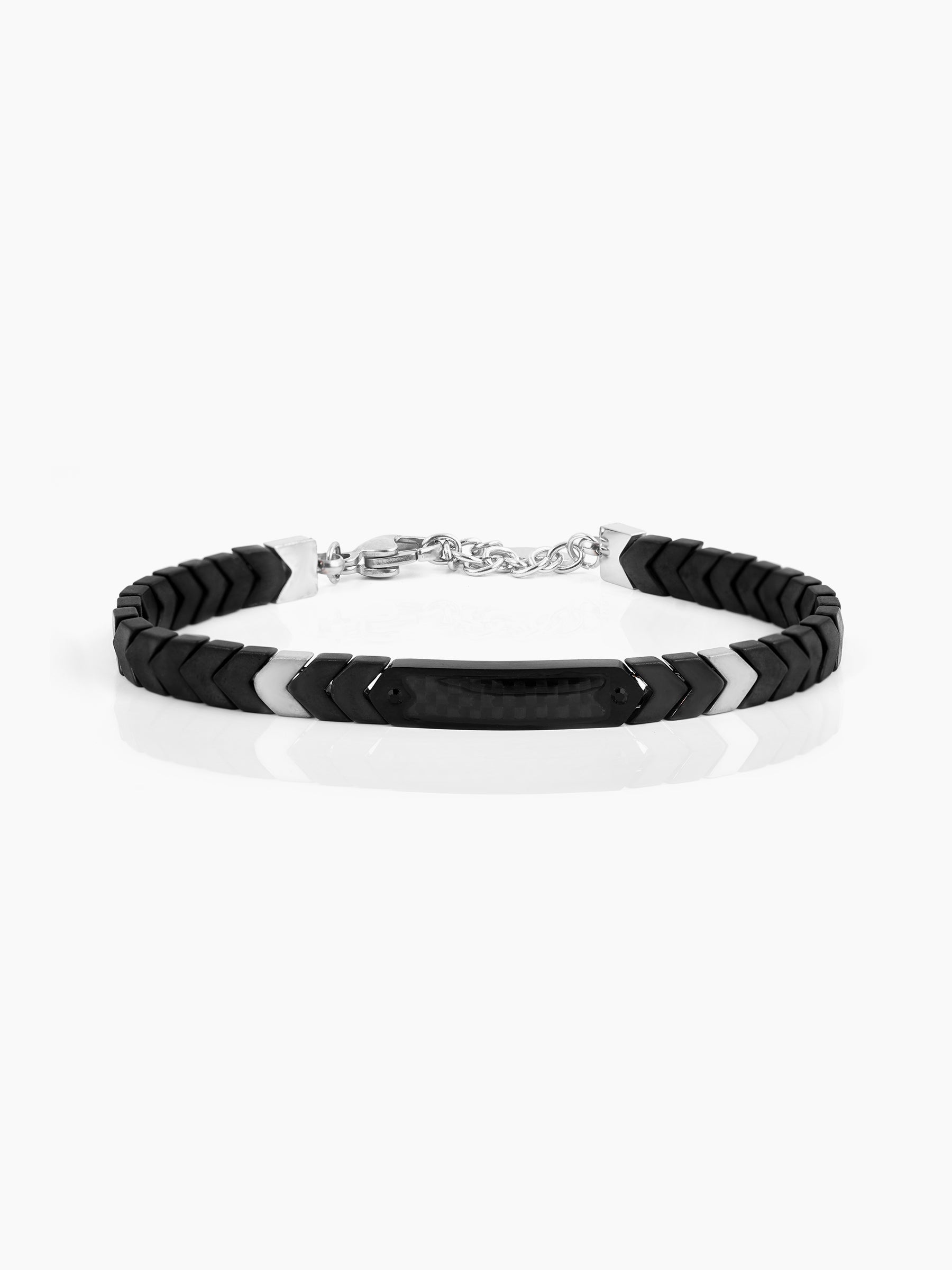
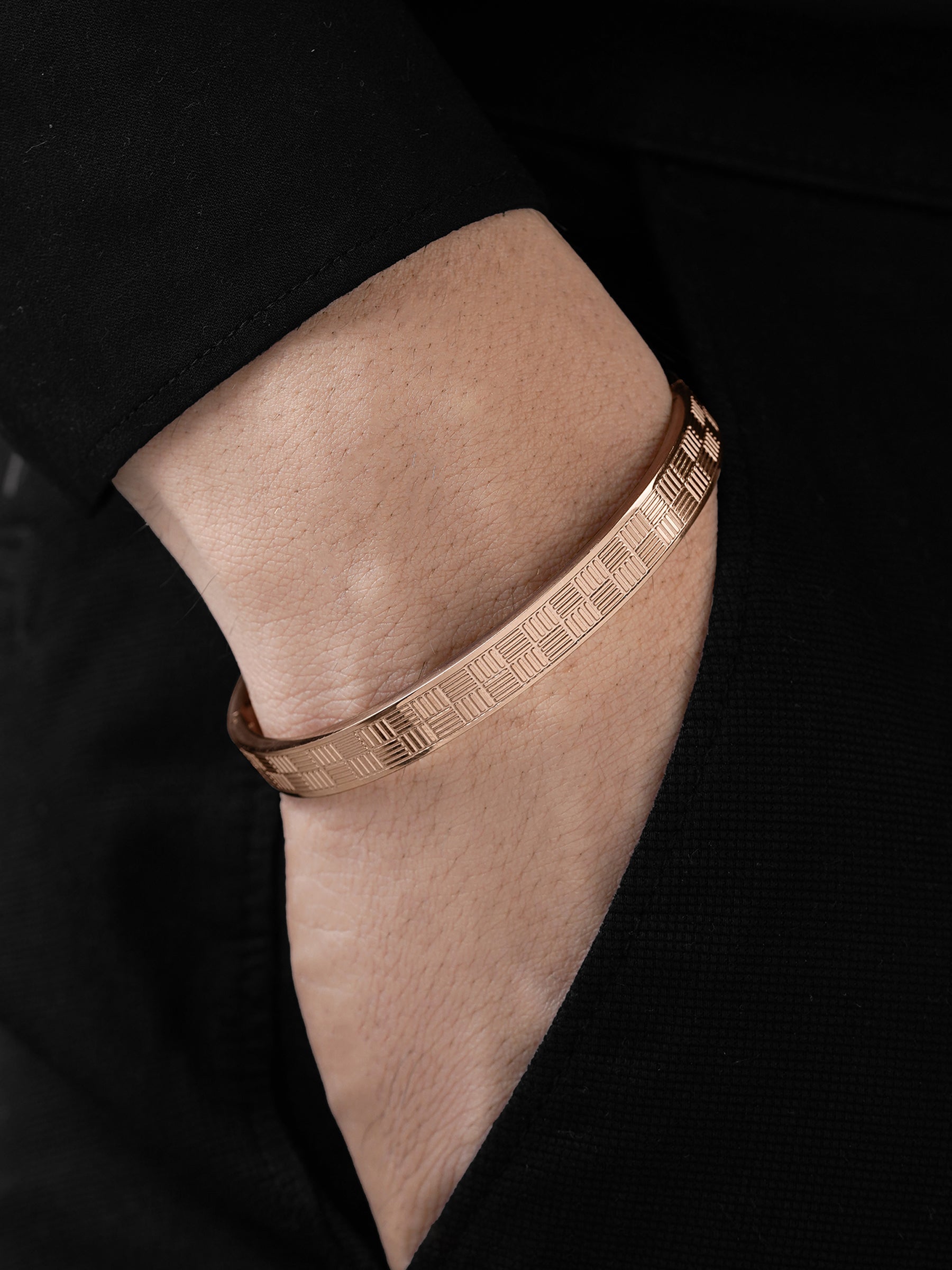
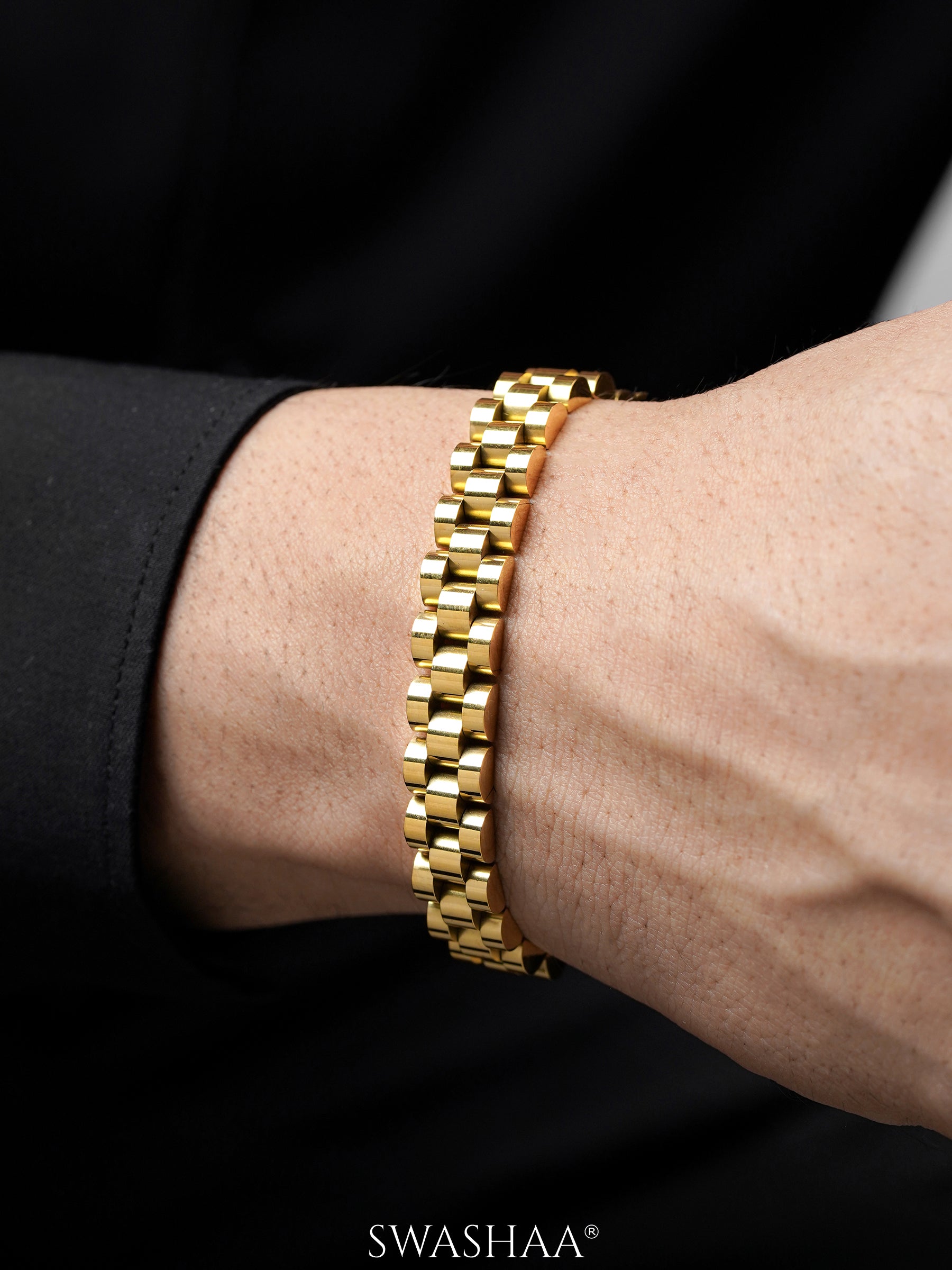
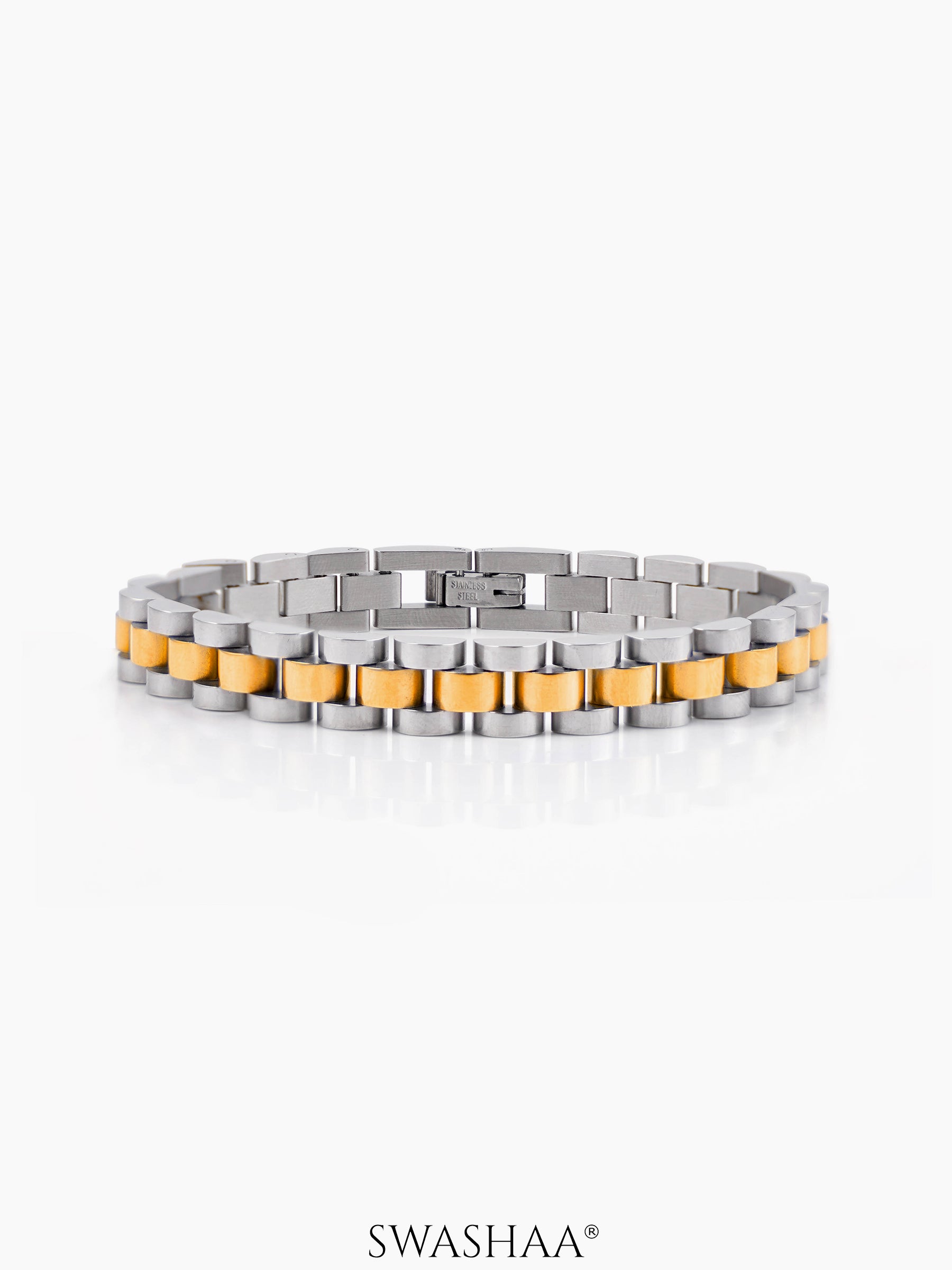
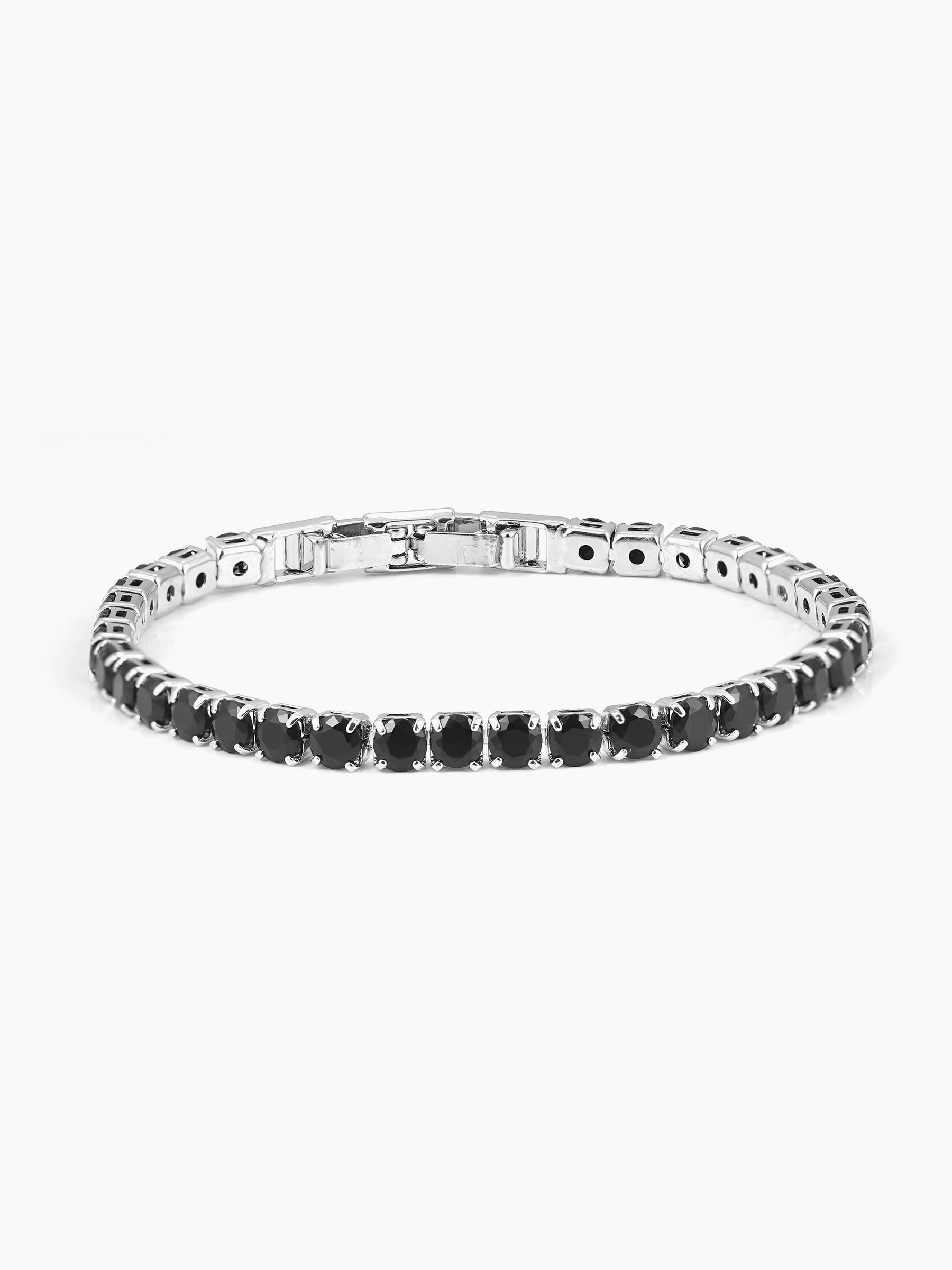
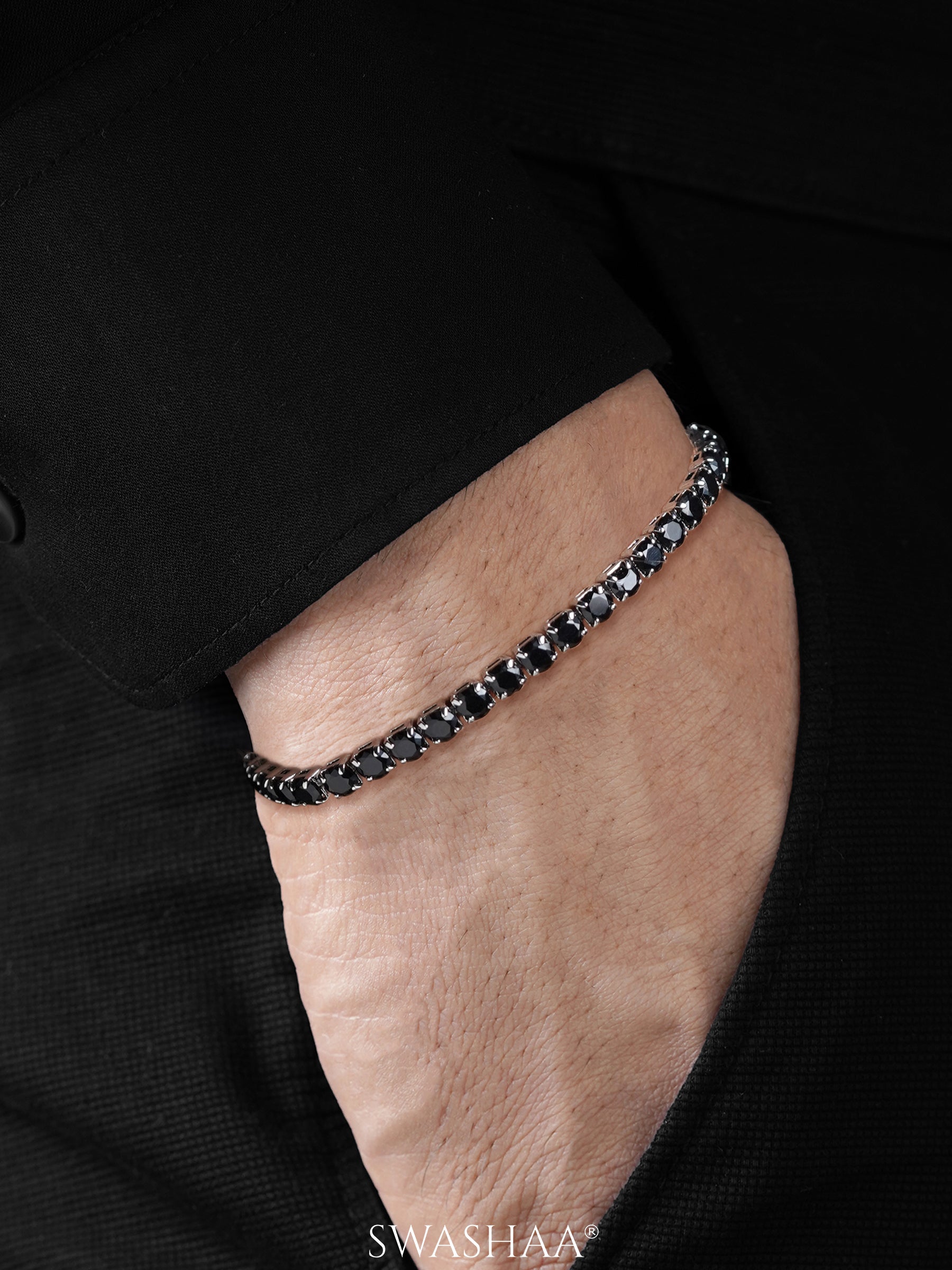
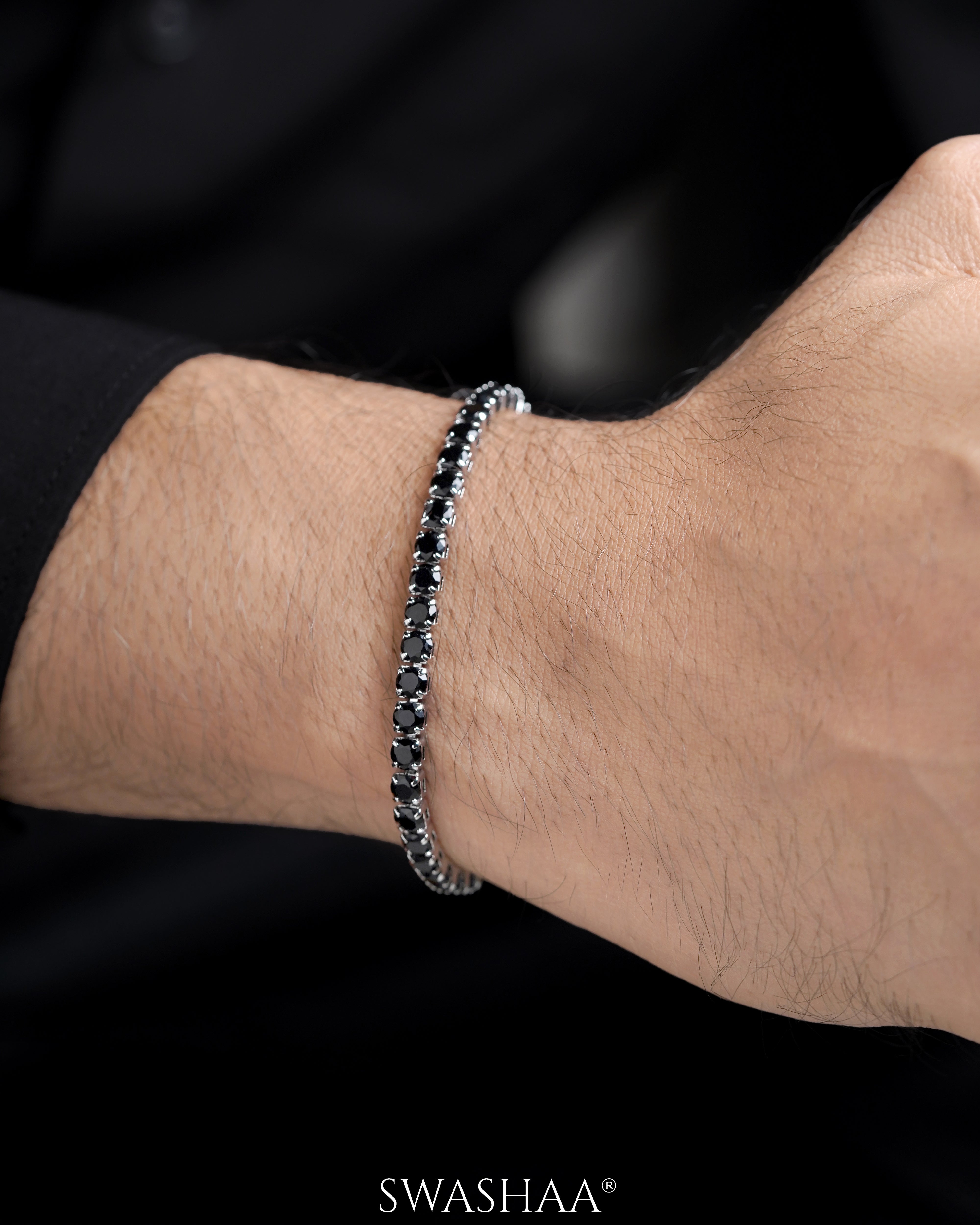
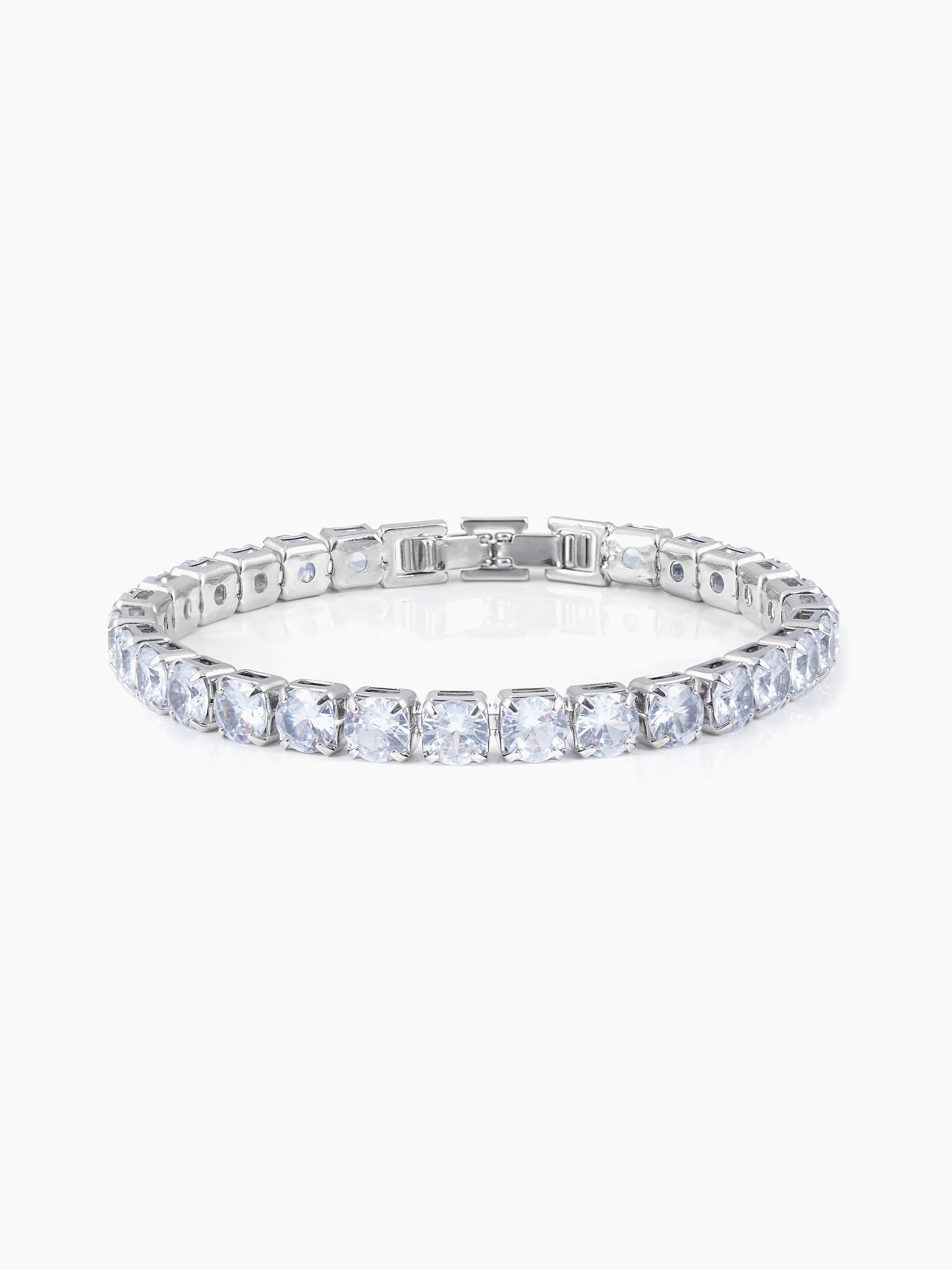
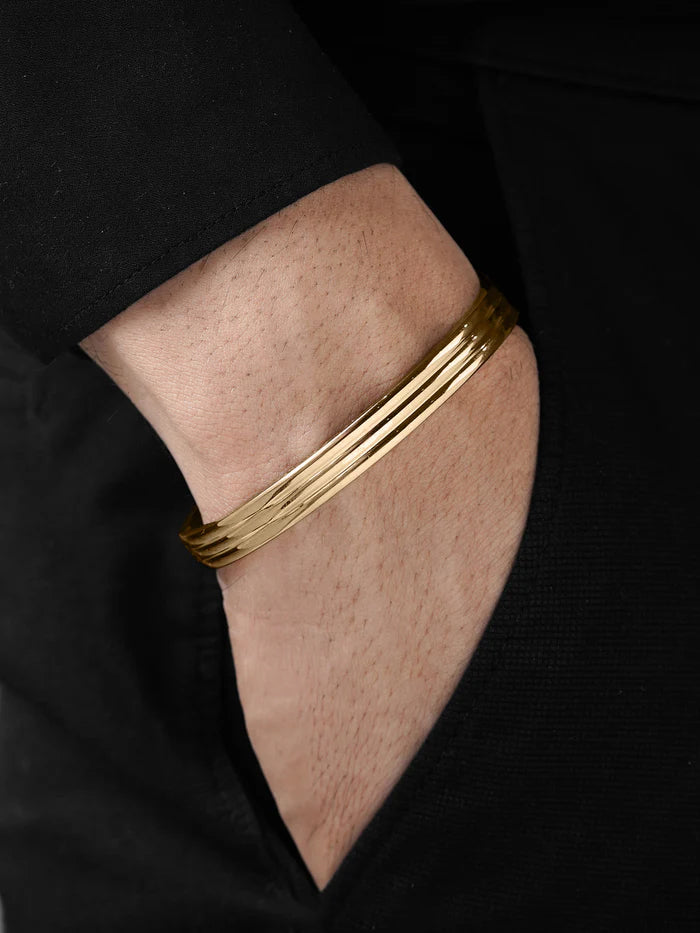
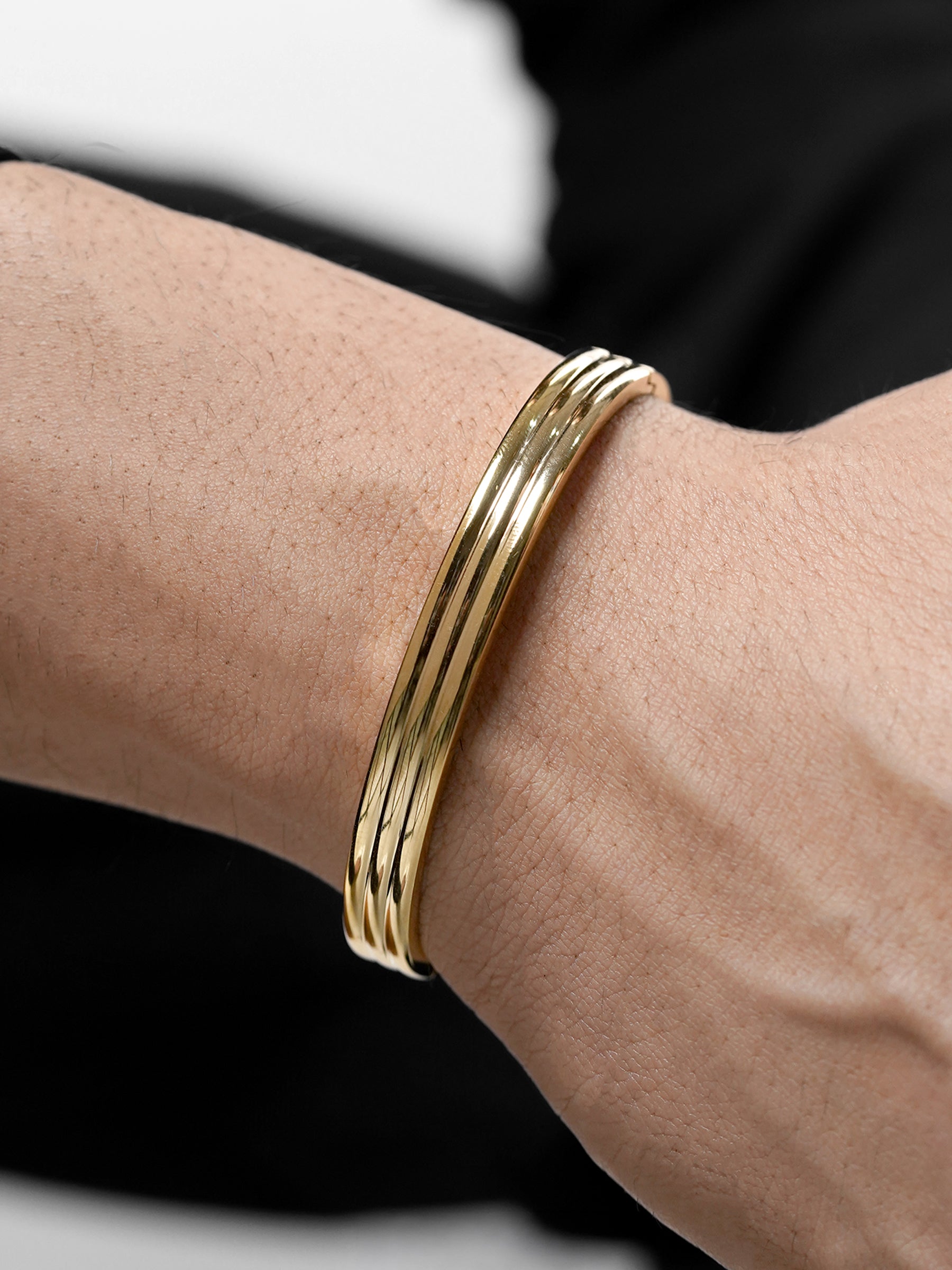
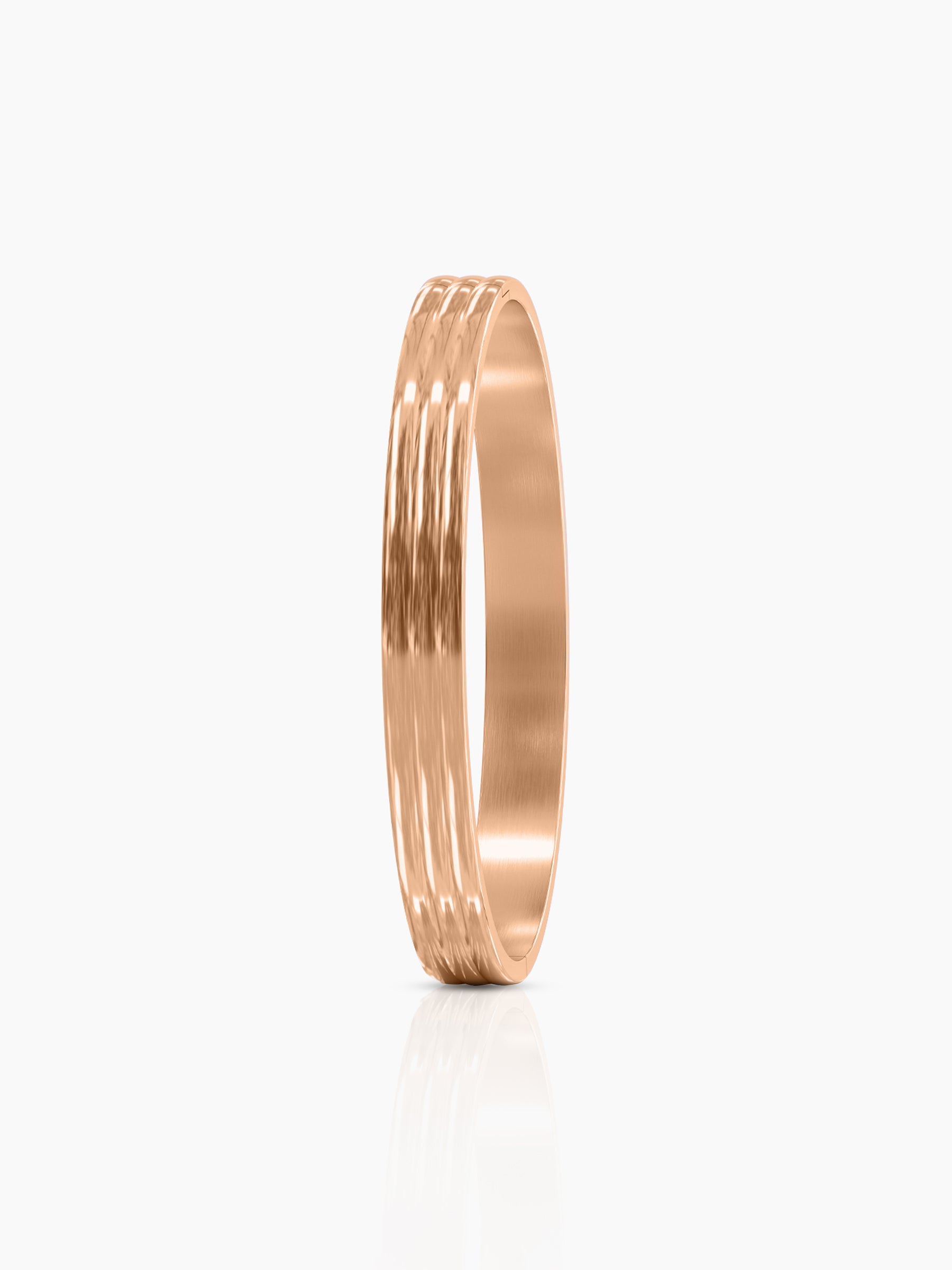
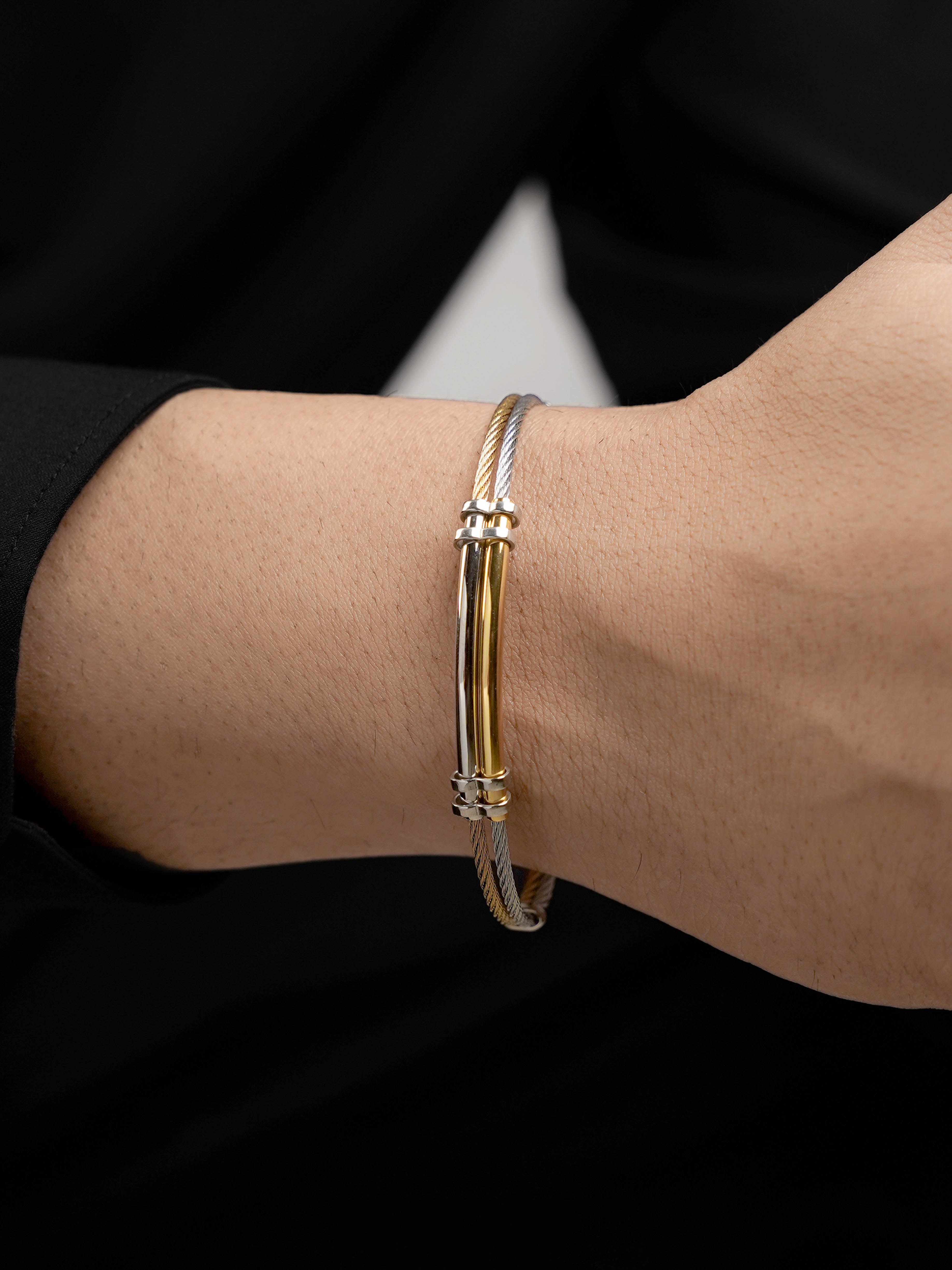
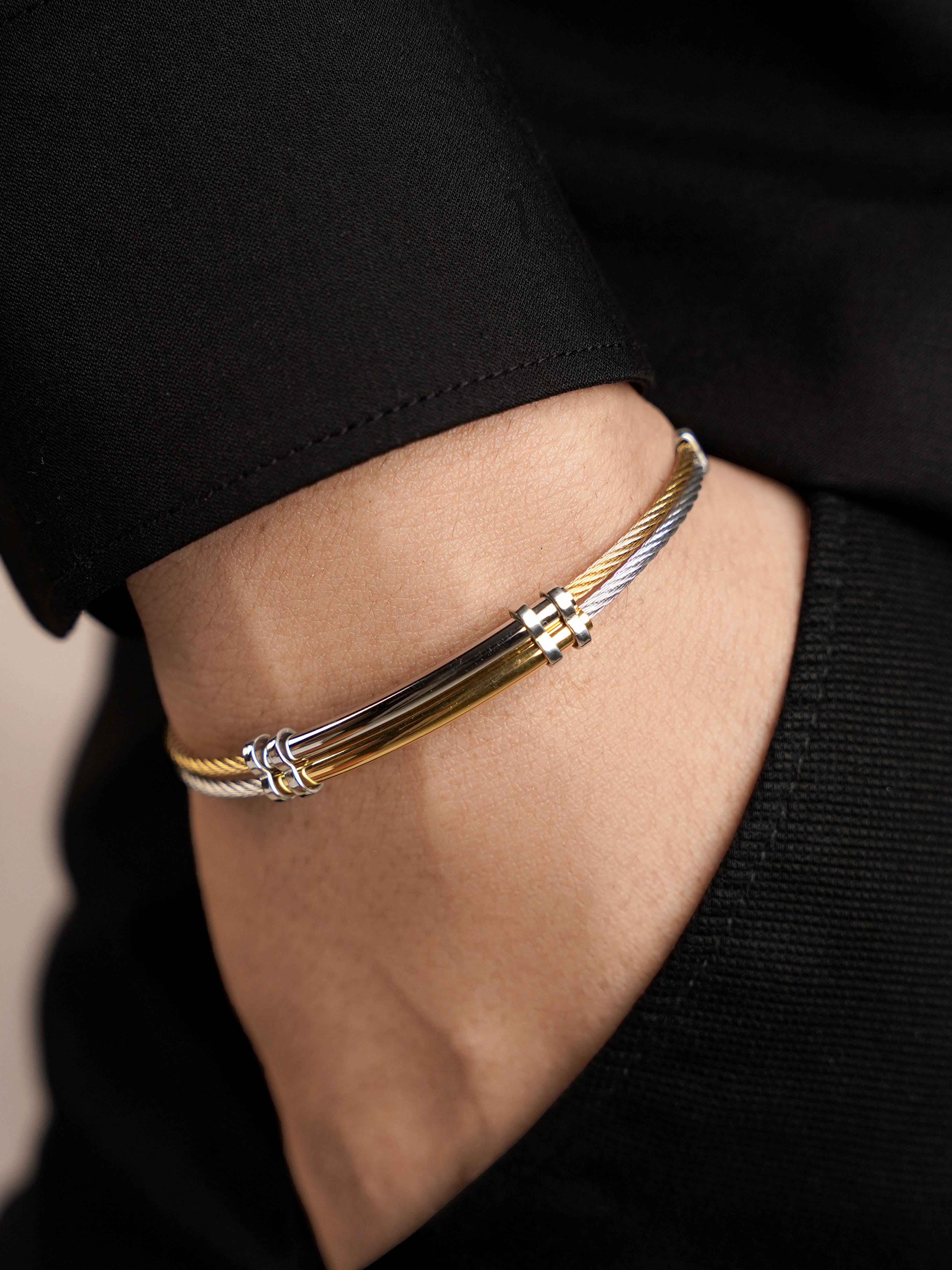
Explore Swashaa's anti-tarnish jewellery online collection crafted in quality materials, designed to hold their finish through real daily wear.
Benefits of Wearing Anti-Tarnish Jewellery
Choosing anti-tarnish jewellery isn't just about aesthetics it changes your entire relationship with your accessories.
Long-lasting shine. Pieces stay bright and wearable significantly longer than standard fashion jewellery. What might tarnish in weeks without treatment can hold its finish for years with the right coating.
Low maintenance. You don't need special cleaners, regular polishing, or careful storage rituals. A quick wipe after wearing is generally sufficient to keep pieces looking their best.
Skin-friendly wear. The protective coating acts as a barrier between your skin and the base metal particularly important for people who experience reactions to certain metals. Anti-tarnish coatings reduce direct metal-to-skin contact significantly.
Better value for money. Pieces that last longer, need less care, and don't need replacing every few months represent far better value regardless of their initial price point.
Confidence to wear more. The biggest benefit, honestly: you wear it without worry. No checking whether it's gone green. No avoiding water at all costs. Just jewellery that keeps up with you.
Browse Swashaa's non-tarnish jewellery online from everyday staples to statement pieces, all designed with longevity in mind.
How to Care for Anti-Tarnish Jewellery
Anti-tarnish technology significantly reduces the work needed but a few simple habits extend the life of your pieces even further.
Wipe after every wear. A soft microfiber cloth removes skin oils, sweat, and surface dust before they accumulate. This single habit makes the biggest difference.
Keep it dry where possible. While anti-tarnish coatings handle occasional contact with moisture, repeated exposure to water especially combined with soap, chlorine, or saltwater accelerates wear on the coating. Remove pieces before swimming or showering.
Store separately. Keep pieces in individual soft pouches or a fabric-lined jewellery box. Metal-on-metal friction wears coatings faster than most people realise.
Avoid perfume and lotion contact. Apply fragrance and skincare first, let it absorb, then put your jewellery on. The chemicals in these products even natural ones interact with protective coatings over time.
Keep away from direct sunlight and humidity. Store in a cool, dry place. Prolonged sun exposure and humidity are two of the main environmental factors that shorten the life of any coating.
Frequently Asked Questions
How does anti-tarnish jewellery work?
Anti-tarnish jewellery works by placing a protective barrier a coating, plating, or naturally resistant metal between the base metal and the environment. This barrier prevents or significantly slows the oxidation process that causes tarnishing. Methods include rhodium plating, e-coating, 18k gold plating, and clear lacquer sealants. The result is a piece that holds its shine, colour, and finish far longer than uncoated jewellery.
Does anti-tarnish jewellery really prevent tarnishing?
It significantly delays tarnishing but doesn't eliminate the possibility entirely. With proper care (wiping after wear, dry storage, avoiding prolonged water contact), quality anti-tarnish jewellery can hold its finish for years. Without any care, the coating will eventually wear thinner and the piece will need more attention. Think of it as highly tarnish-resistant rather than completely tarnish-proof.
What metals are used in anti-tarnish jewellery?
The most common metals are 925 sterling silver, stainless steel, and gold-plated bases (with 14k or 18k gold). Stainless steel is naturally resistant to tarnish due to its chromium content. Sterling silver and gold-plated pieces typically receive an additional protective coating rhodium plating or e-coating to maximise their tarnish resistance.
Is anti-tarnish jewellery waterproof?
Not fully waterproof but significantly more water-resistant than uncoated fashion jewellery. Occasional splashes or brief exposure to water won't cause immediate damage. However, repeated or prolonged contact with water (especially pool water, saltwater, or soapy water) will gradually wear down the protective coating. Removing pieces before swimming, showering, or heavy exercise is still recommended for maximum longevity.
Can anti-tarnish jewellery fade over time?
Yes slowly, and only with very frequent wear without care. The protective coating doesn't last forever, but it lasts significantly longer than uncoated pieces. Regular gentle cleaning, dry storage, and avoiding harsh chemicals all extend the coating's life considerably. When a piece does eventually show wear, professional re-coating is often possible, giving the piece an entirely fresh start.
Jewellery That Actually Lasts
Anti-tarnish jewellery isn't a premium add-on. It's the smarter baseline pieces engineered to stay beautiful through your everyday, not just for special occasions.
At Swashaa, our anti-tarnish jewellery collection is designed for exactly that. Effortless to wear, minimal to maintain, and built to hold their shine day after day.
Shop non-tarnish jewellery online and invest in pieces that actually keep up with you.














Share:
Best Earrings for Kids: Safe, Stylish & Comfortable Designs for Everyday Wear
Gold Plated vs Solid Gold: What's the Difference & Which Should You Buy?