
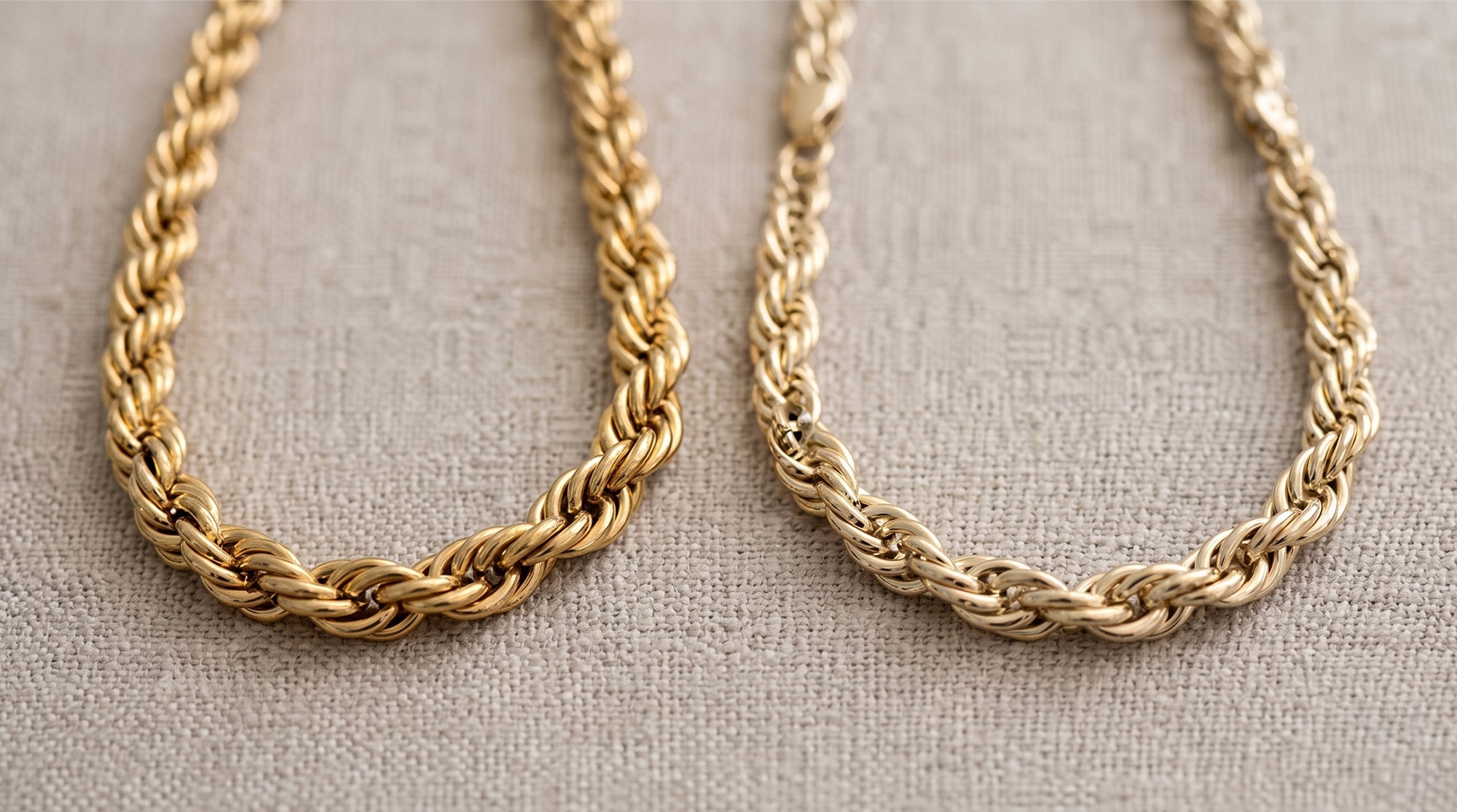
You're standing at the jewellery counter. The piece looks perfect. Then the words start flying "gold plated," "solid gold," "gold filled" and suddenly you're not sure what you're actually buying.
It's a common moment. These pieces can look almost identical under the same light, yet the difference shapes everything: the price you pay, how the piece wears, and whether it lasts a season or a lifetime.
Here's the good news. Once you understand what gold plated really means and how it stacks up against solid gold, the choice gets simple. No jargon. No pressure. Just the clarity to pick what fits your style, your budget, and the way you actually wear jewellery.
Let's break it down.
What Does Gold Plated Mean?
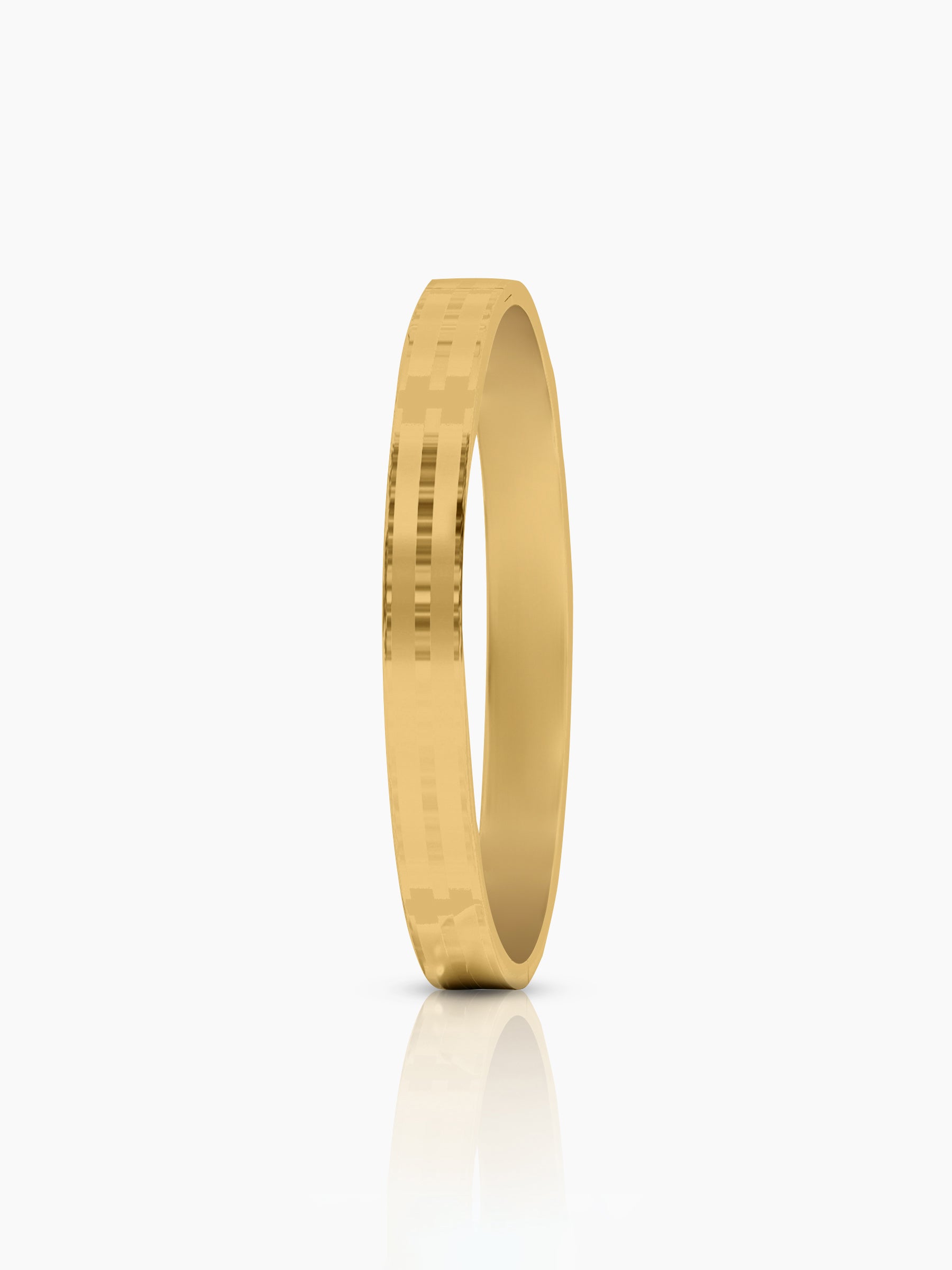
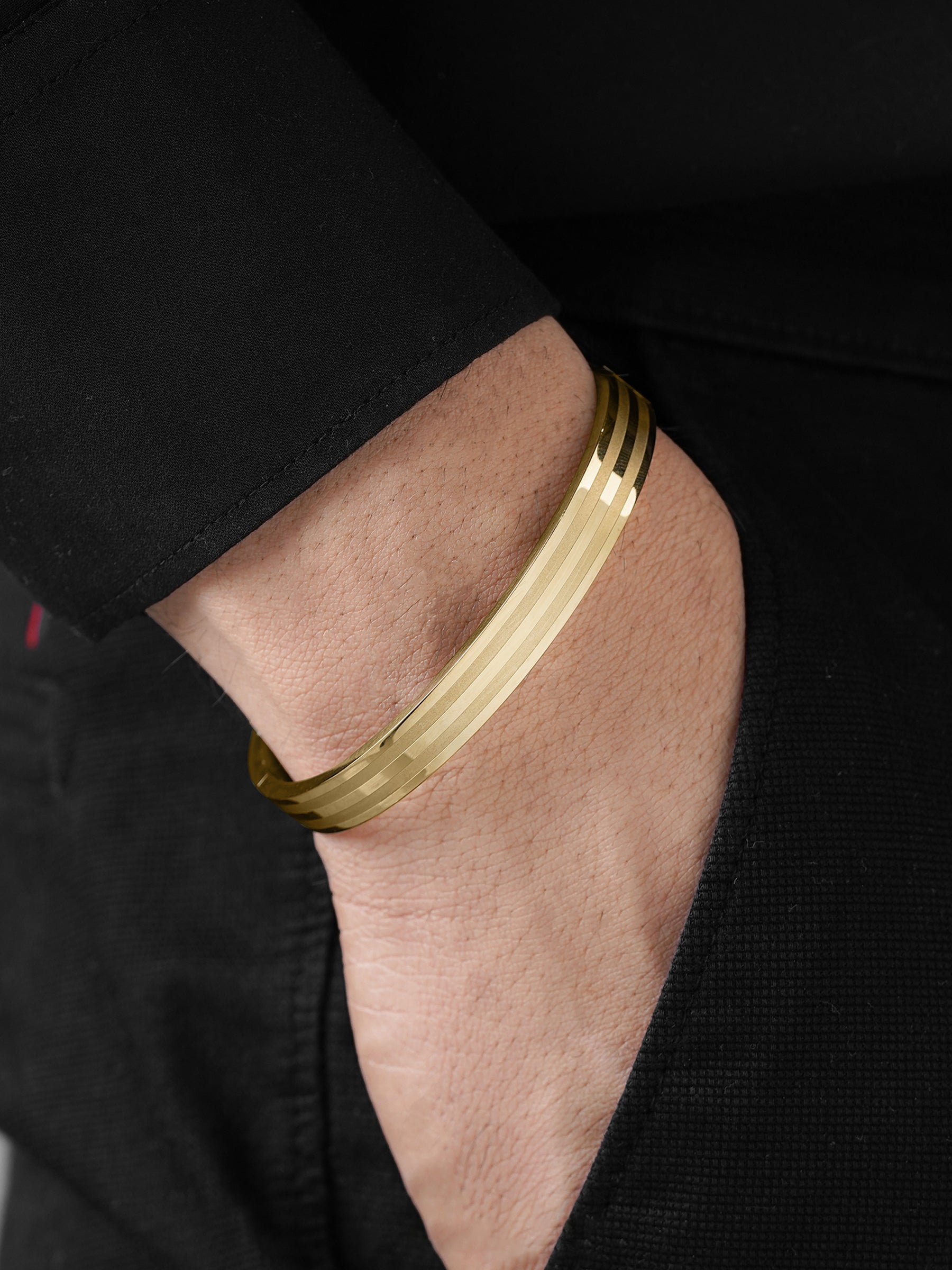
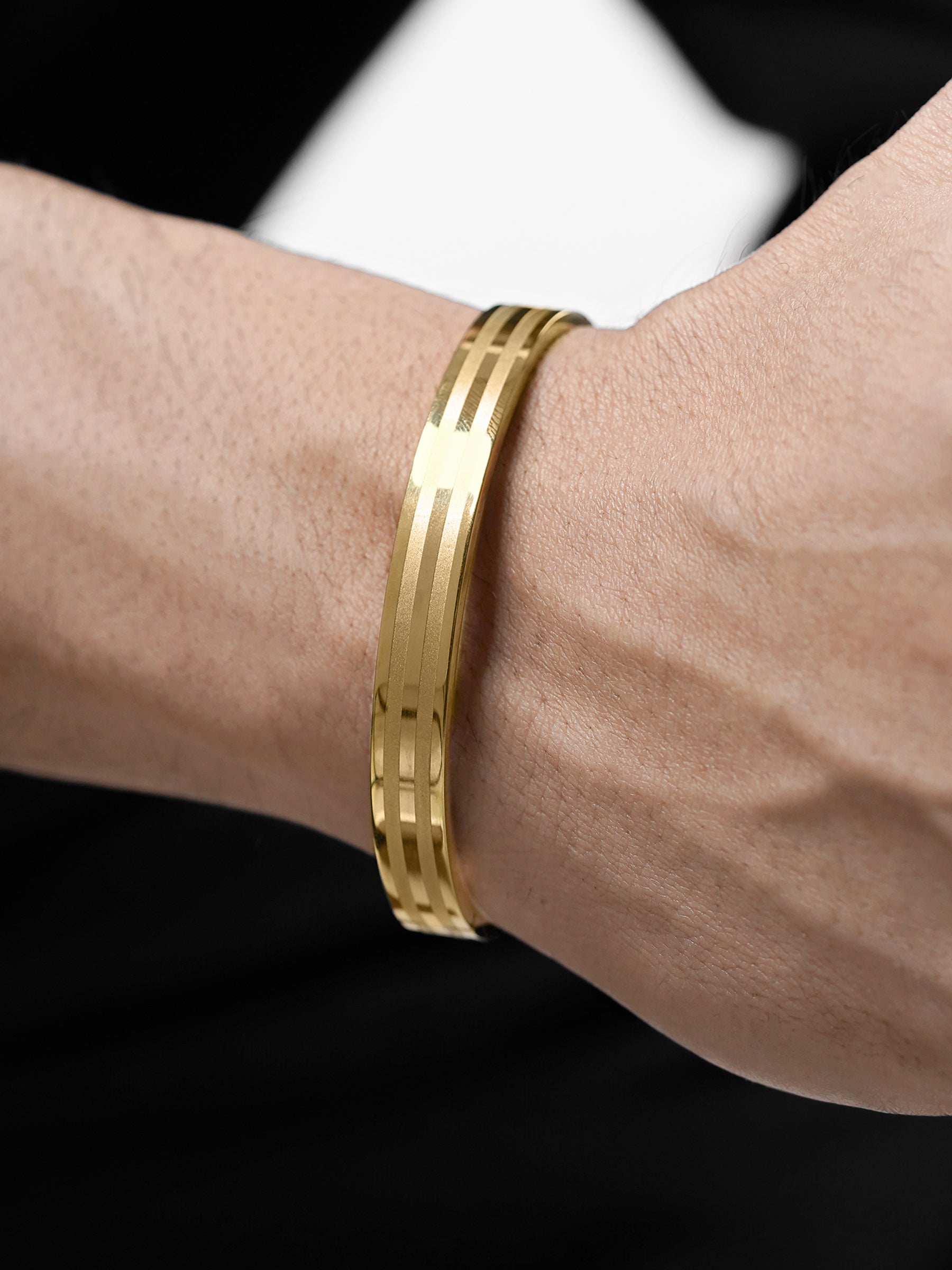
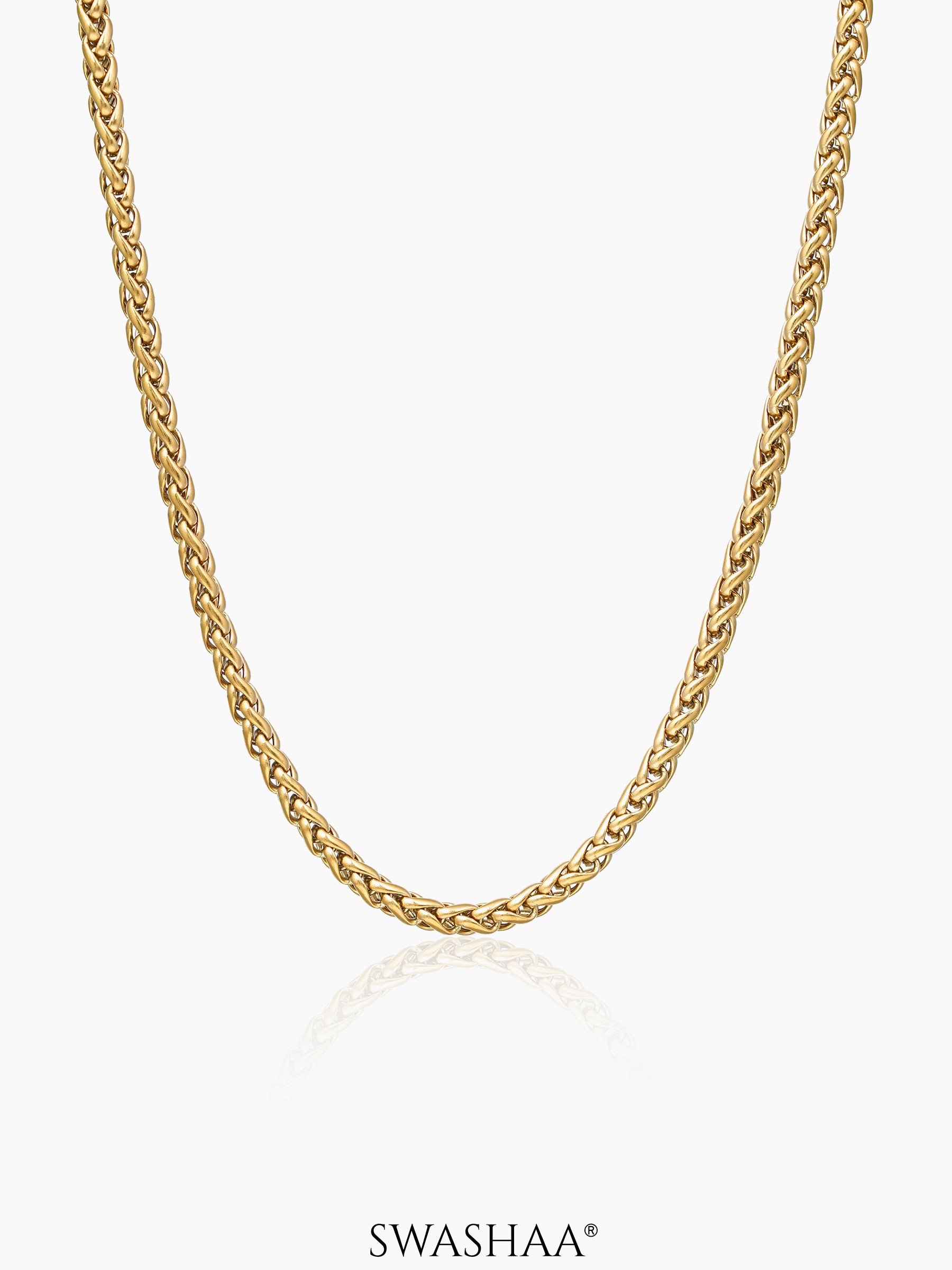
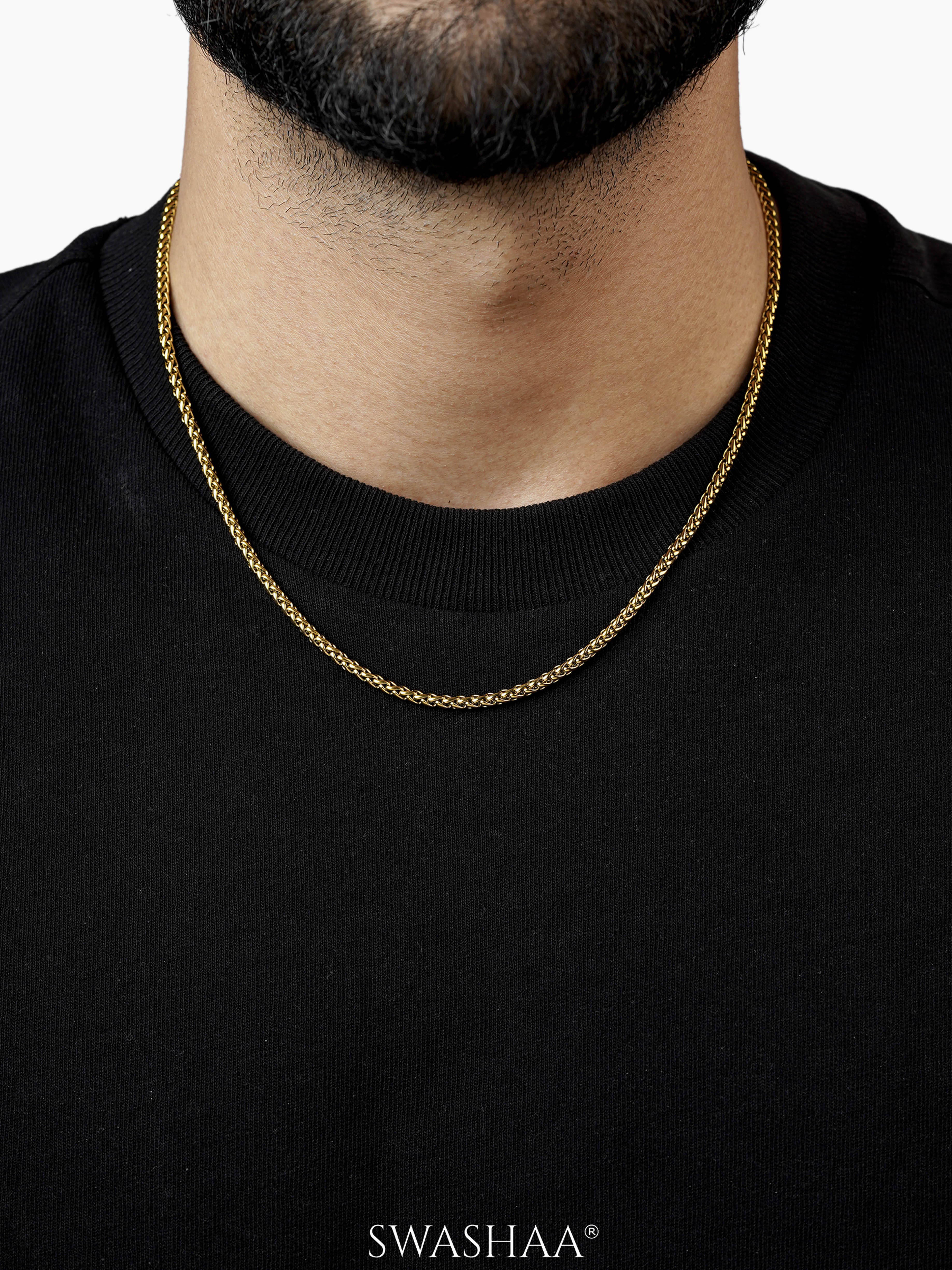
Gold plated jewellery is exactly what it sounds like a thick layer of real gold bonded over a base metal, usually brass or a stronger alloy like stainless steel.
So is gold plated real gold? Yes. The outer surface is genuine gold. The catch is the amount: the plating is measured in microns and typically makes up a very small percentage of the piece. To be properly certified, that gold layer usually starts at around 0.5 microns thick. A thicker layer means a richer finish and longer-lasting shine.
This is why gold plated is the go-to for modern, everyday jewellery. It gives you the warm glow of gold at a fraction of the cost lightweight, on-trend, and made for experimenting with styles. It's ideal if you love refreshing your look without committing to a heavy investment piece.
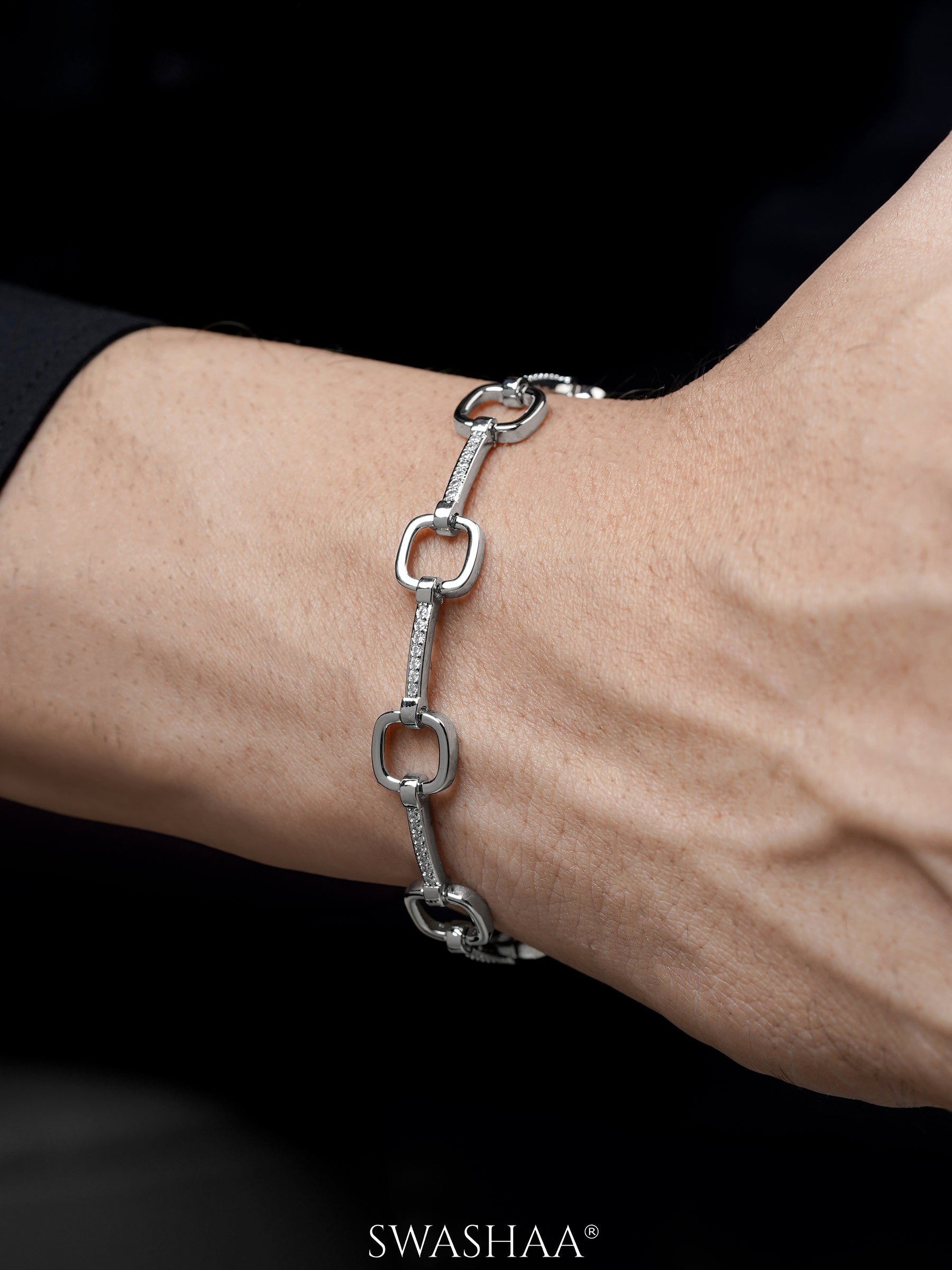
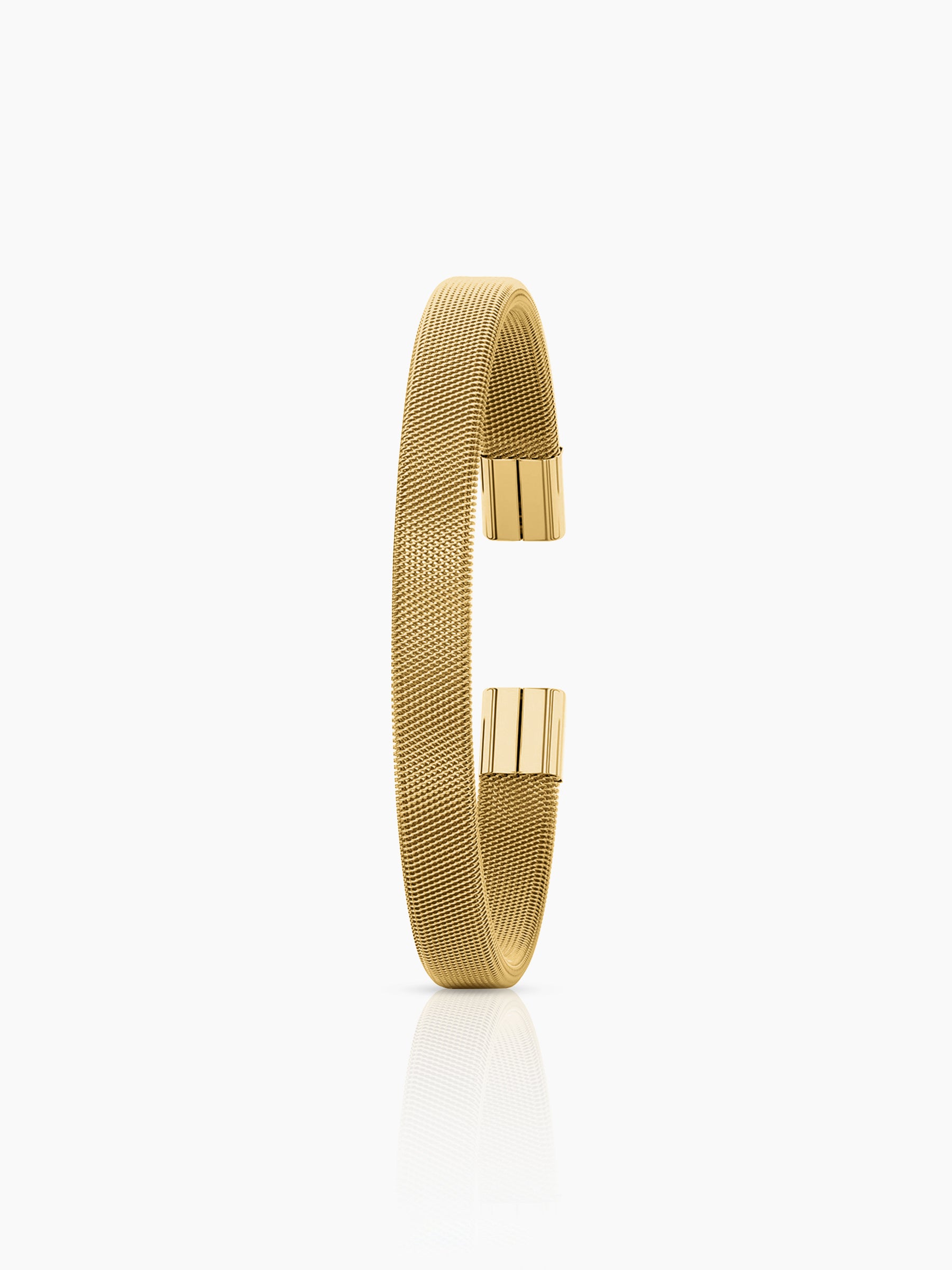
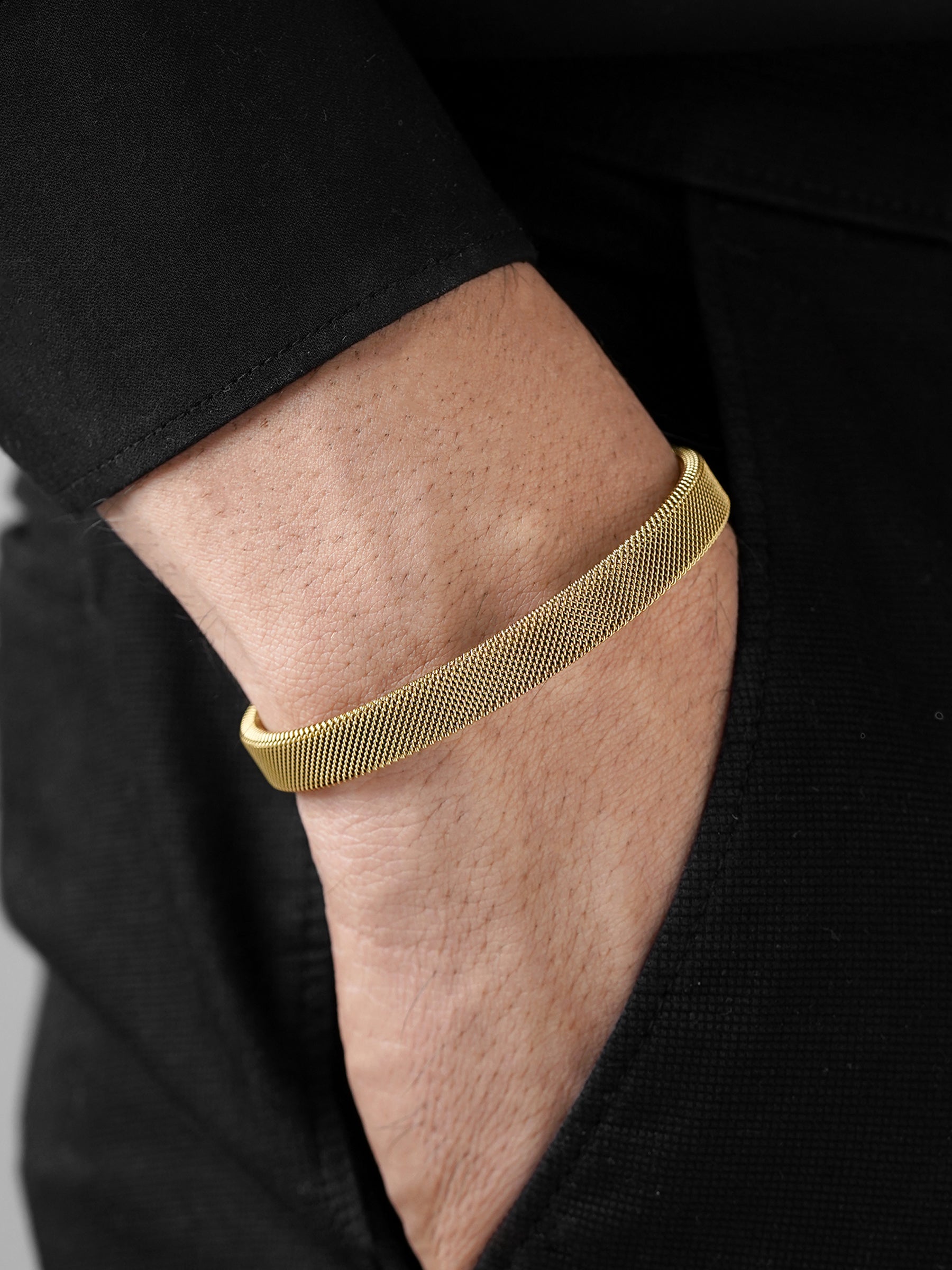
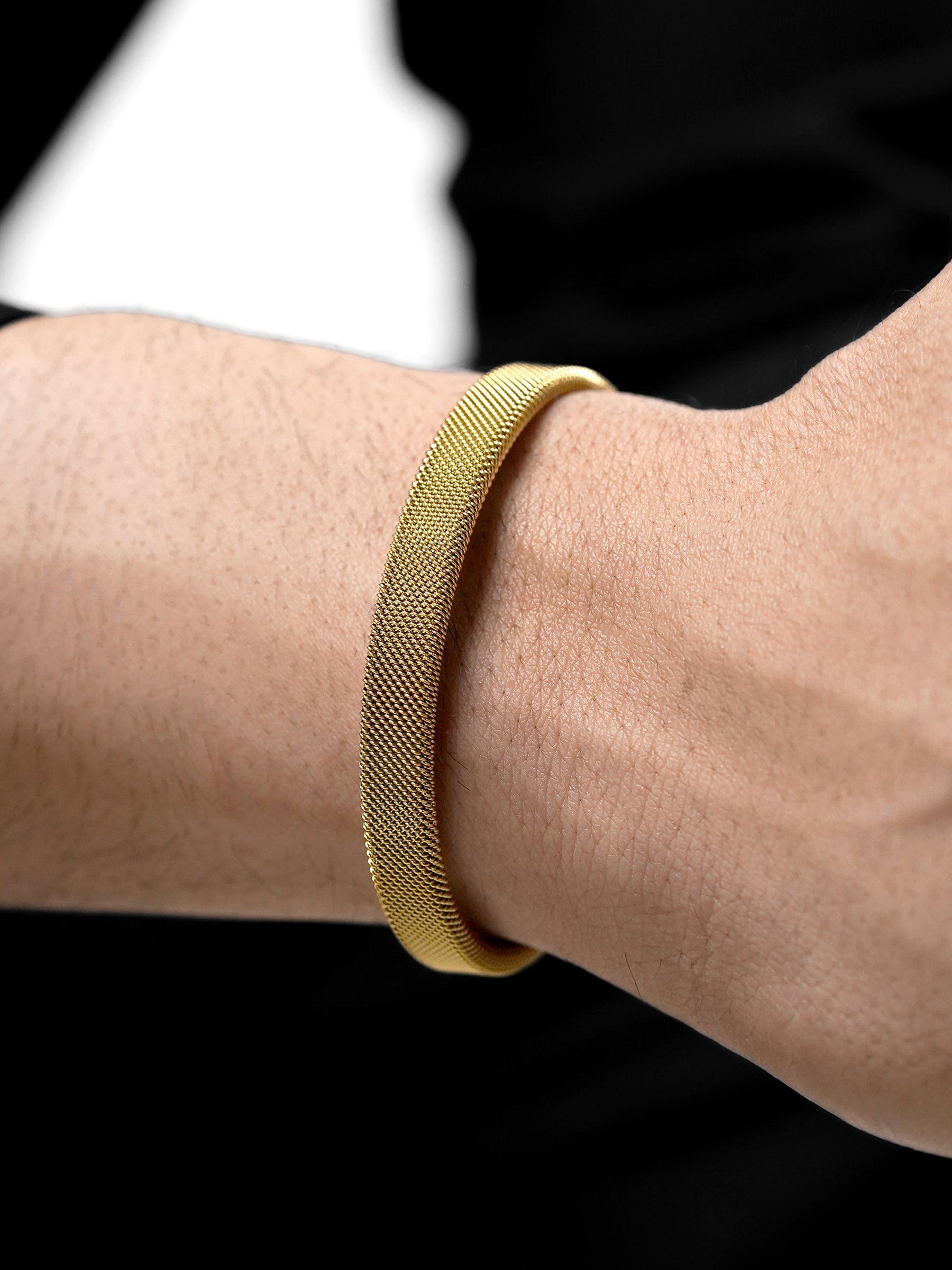
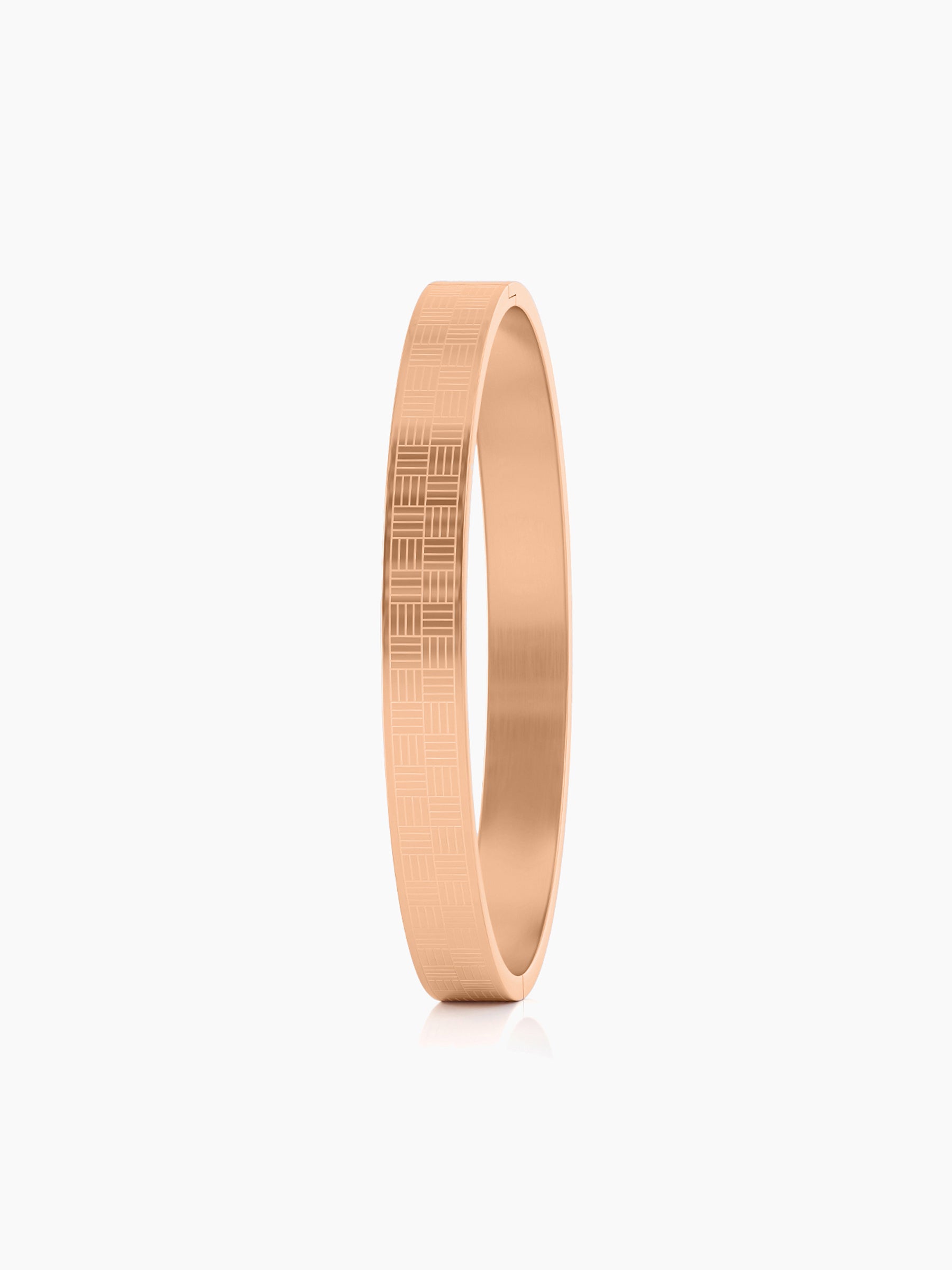
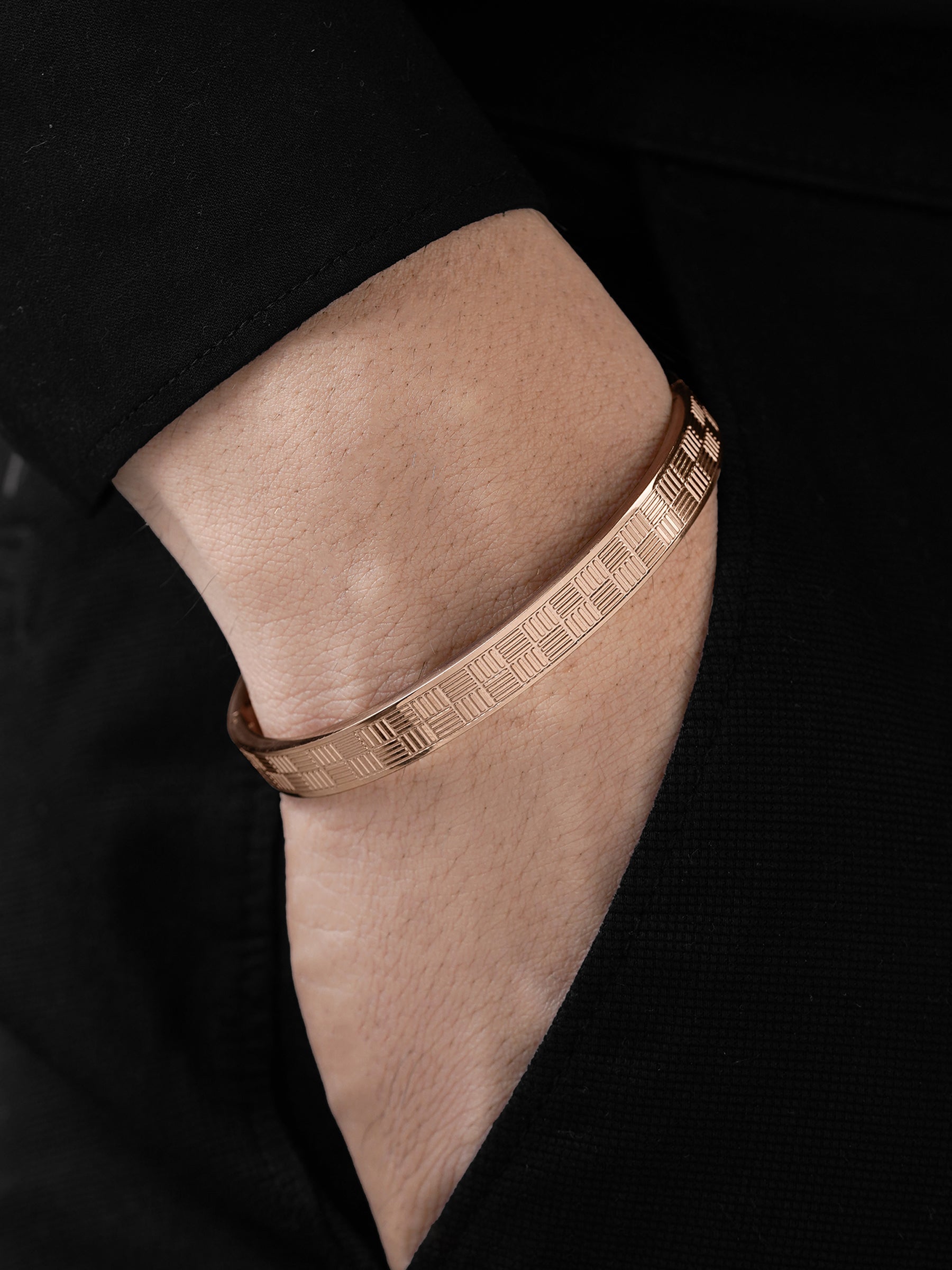
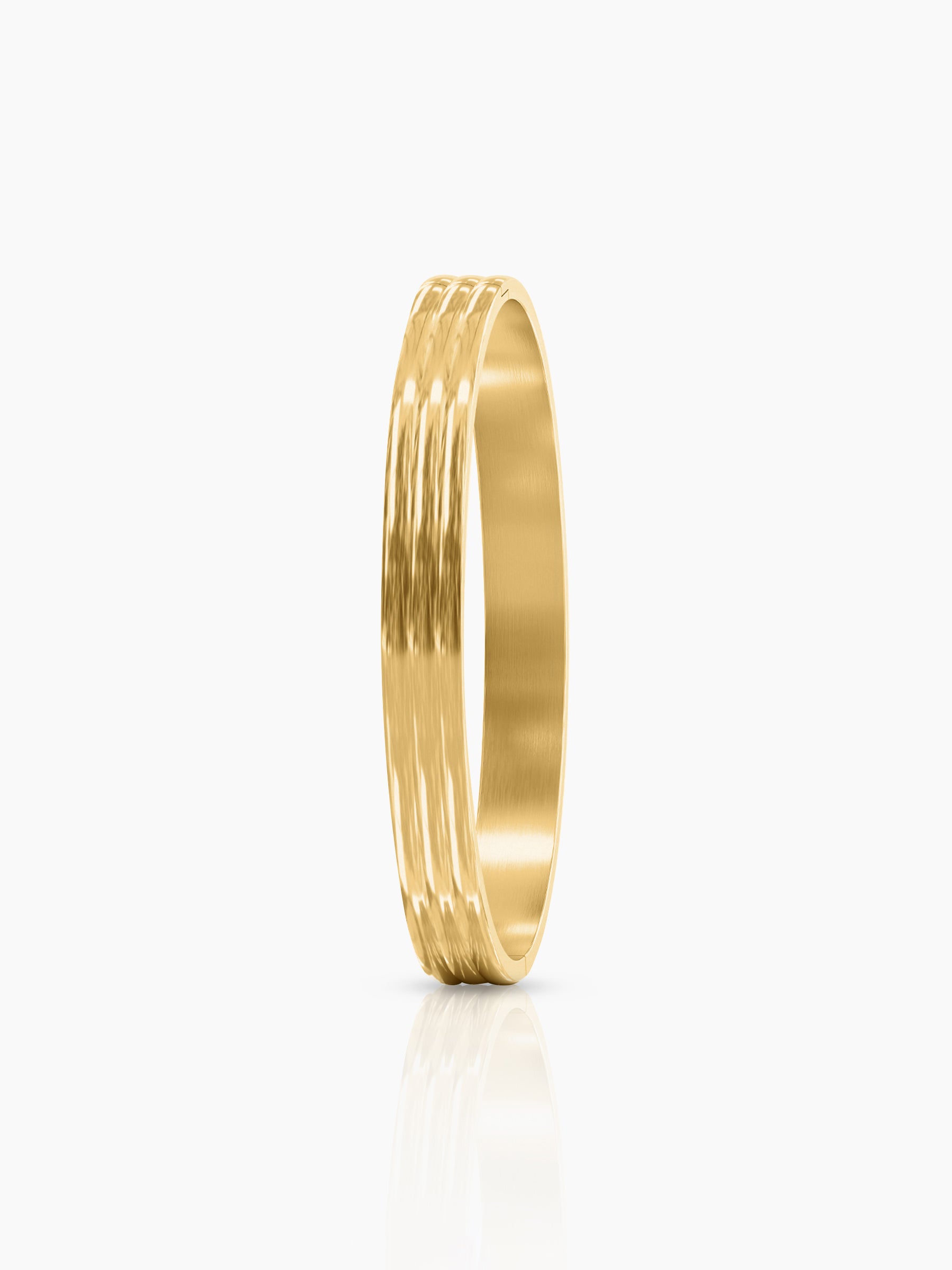
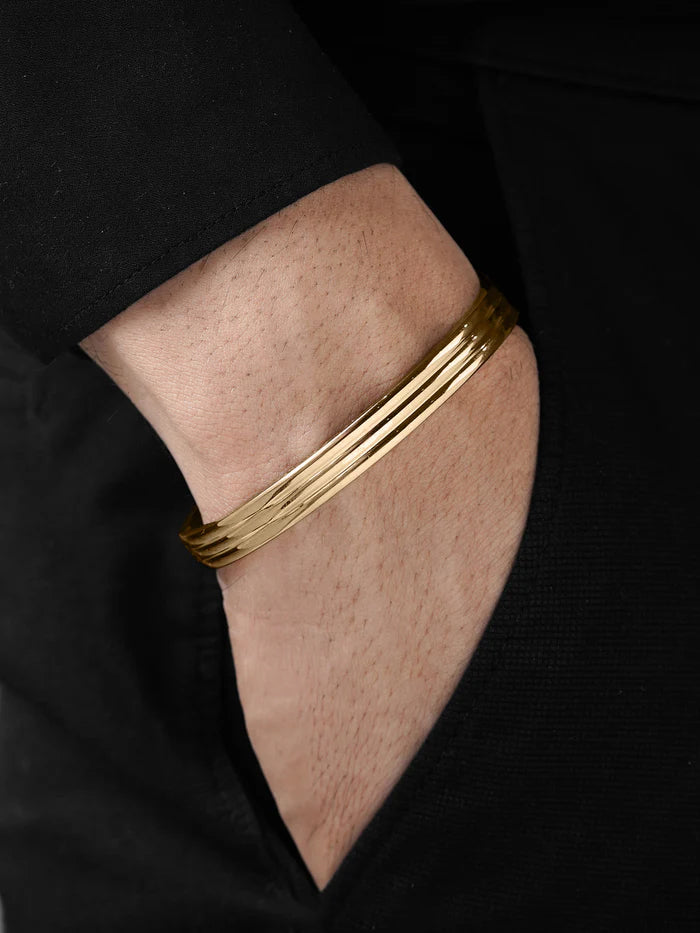
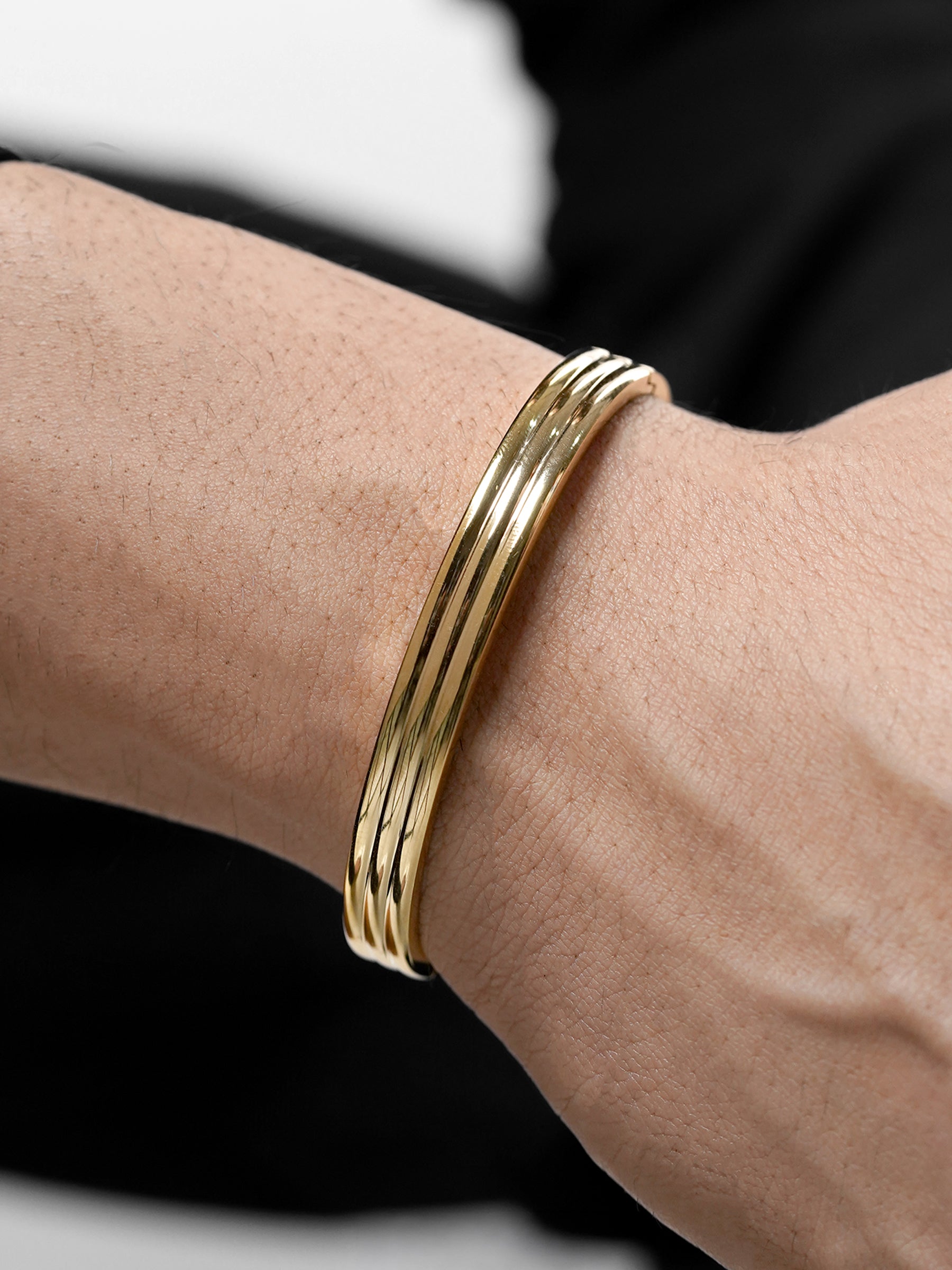
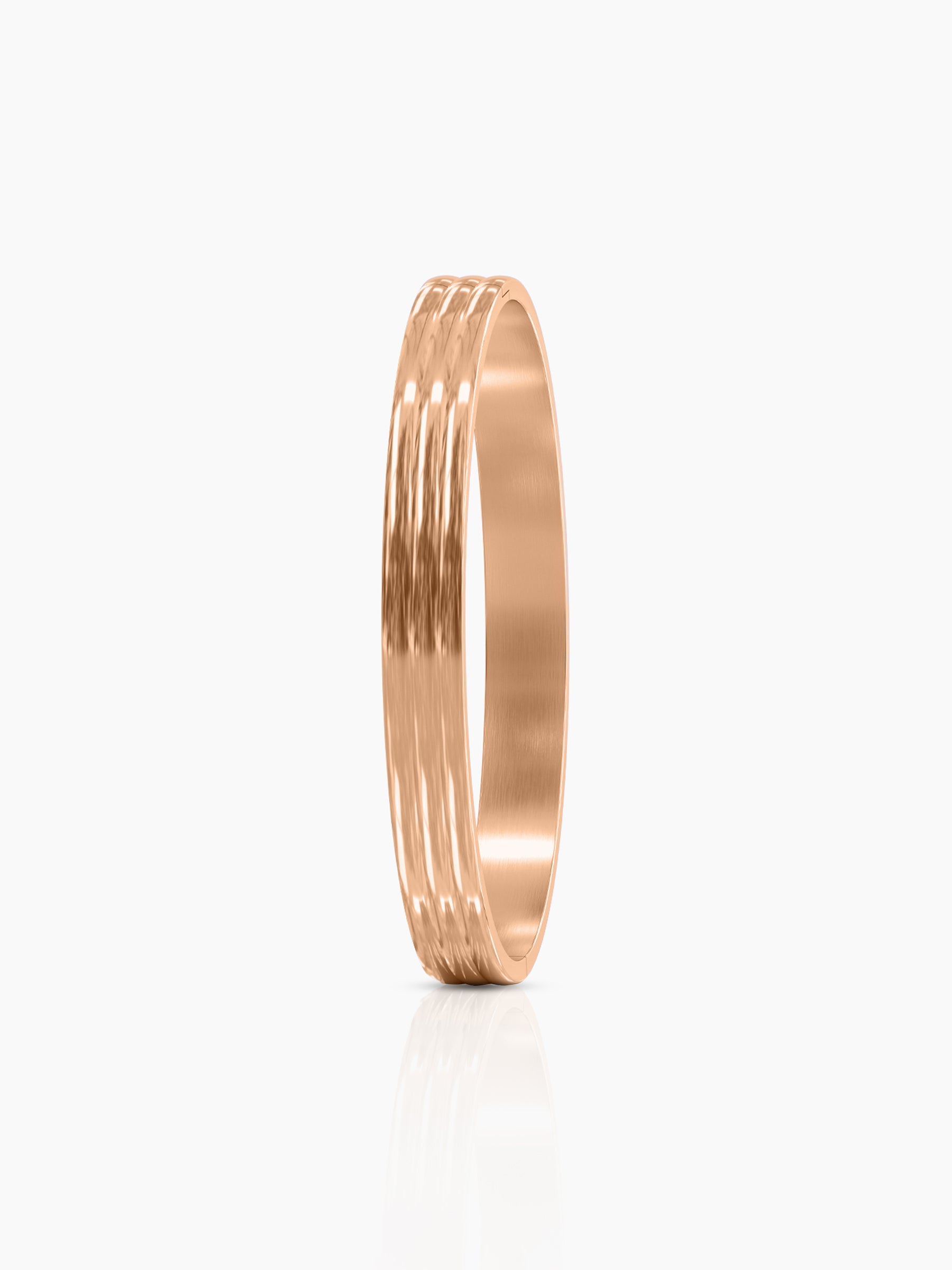
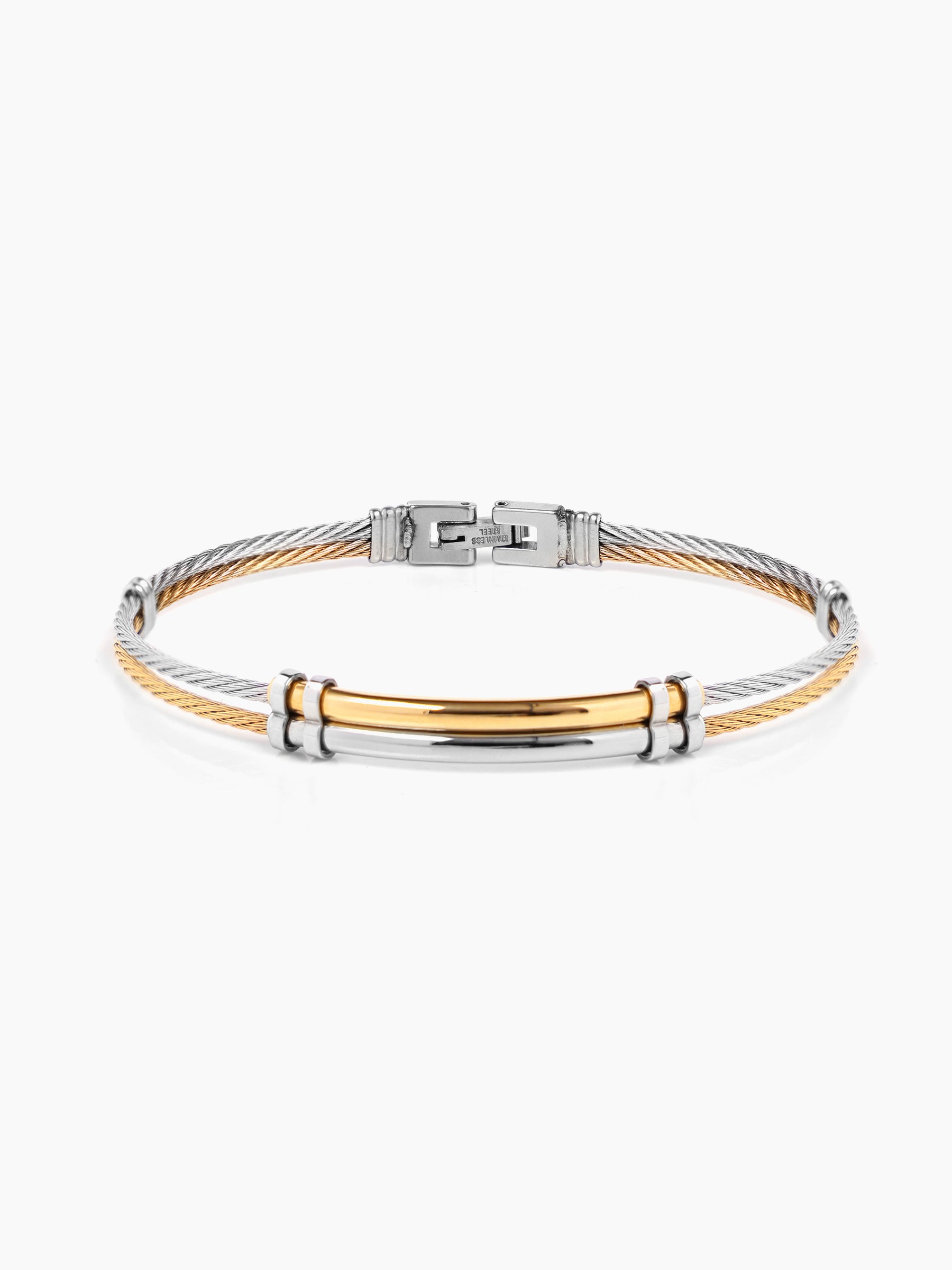
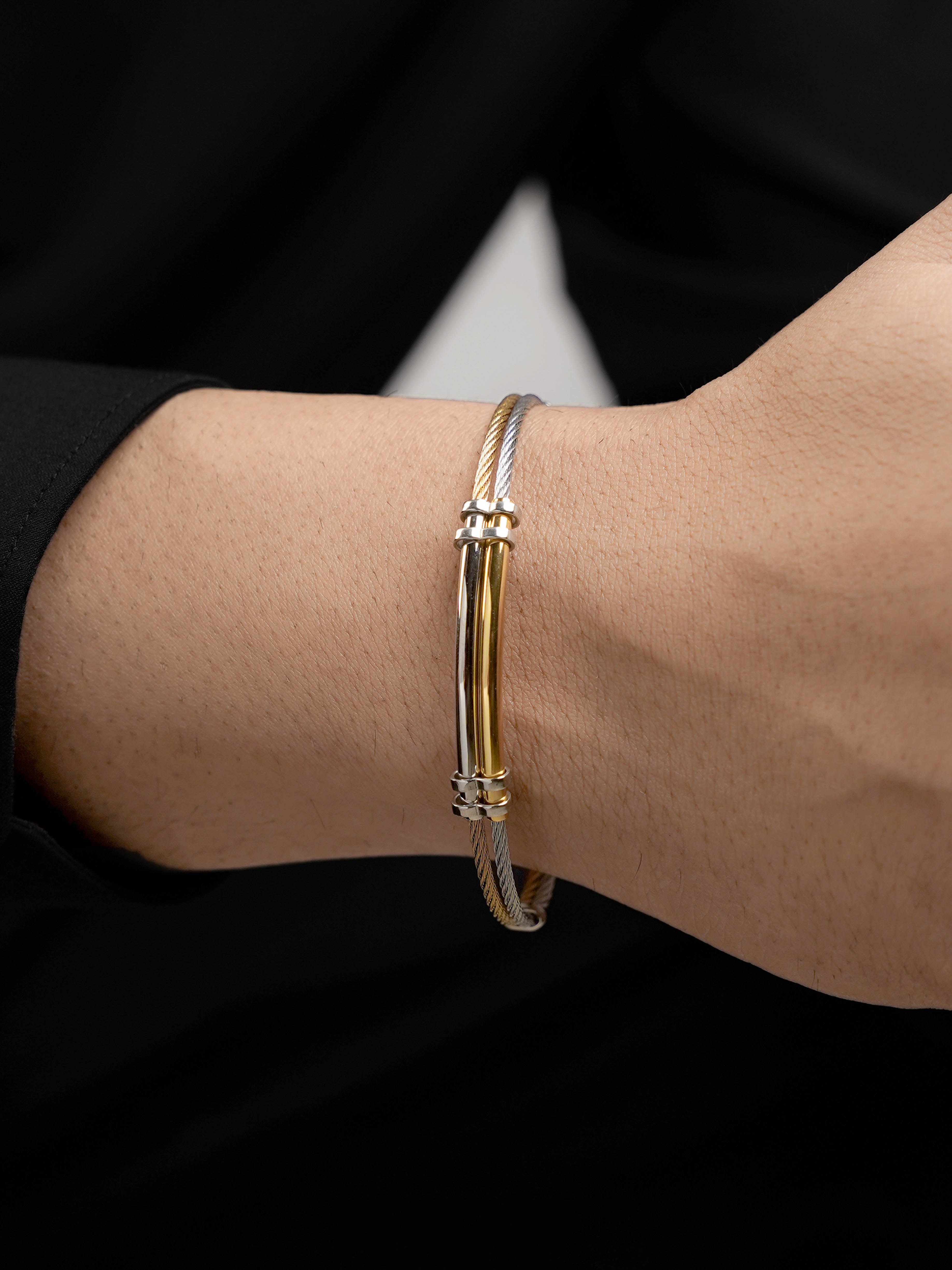
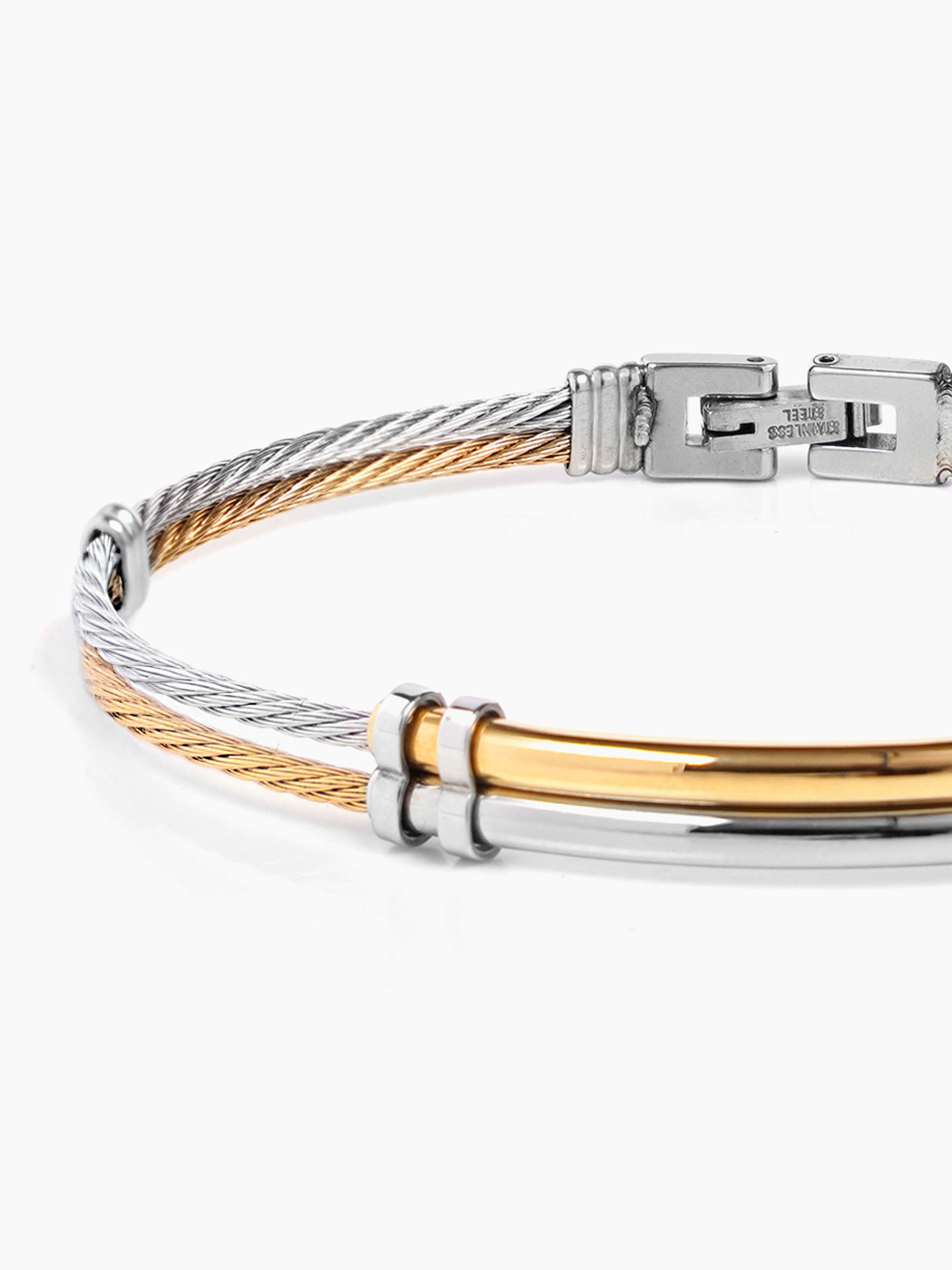
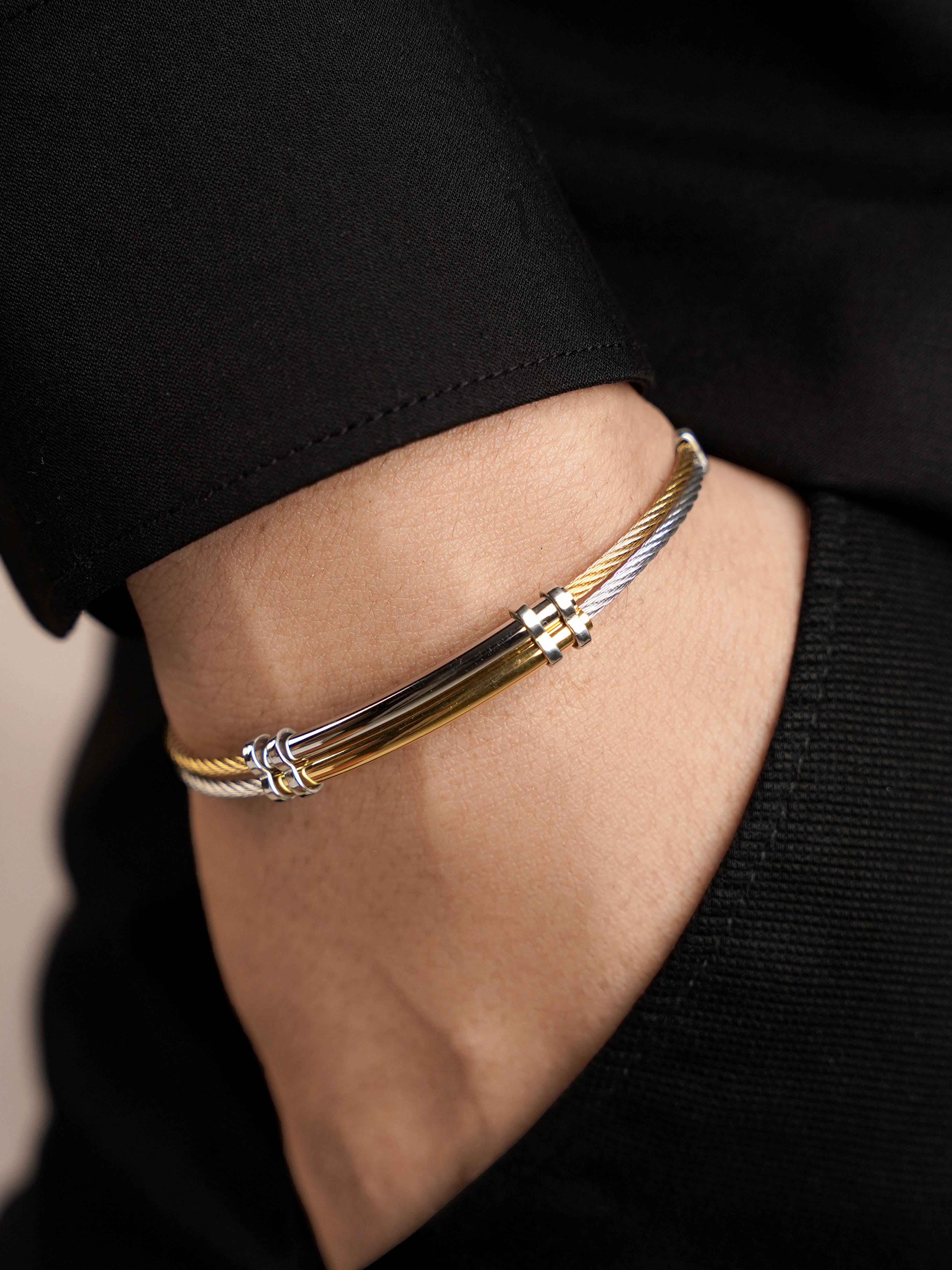
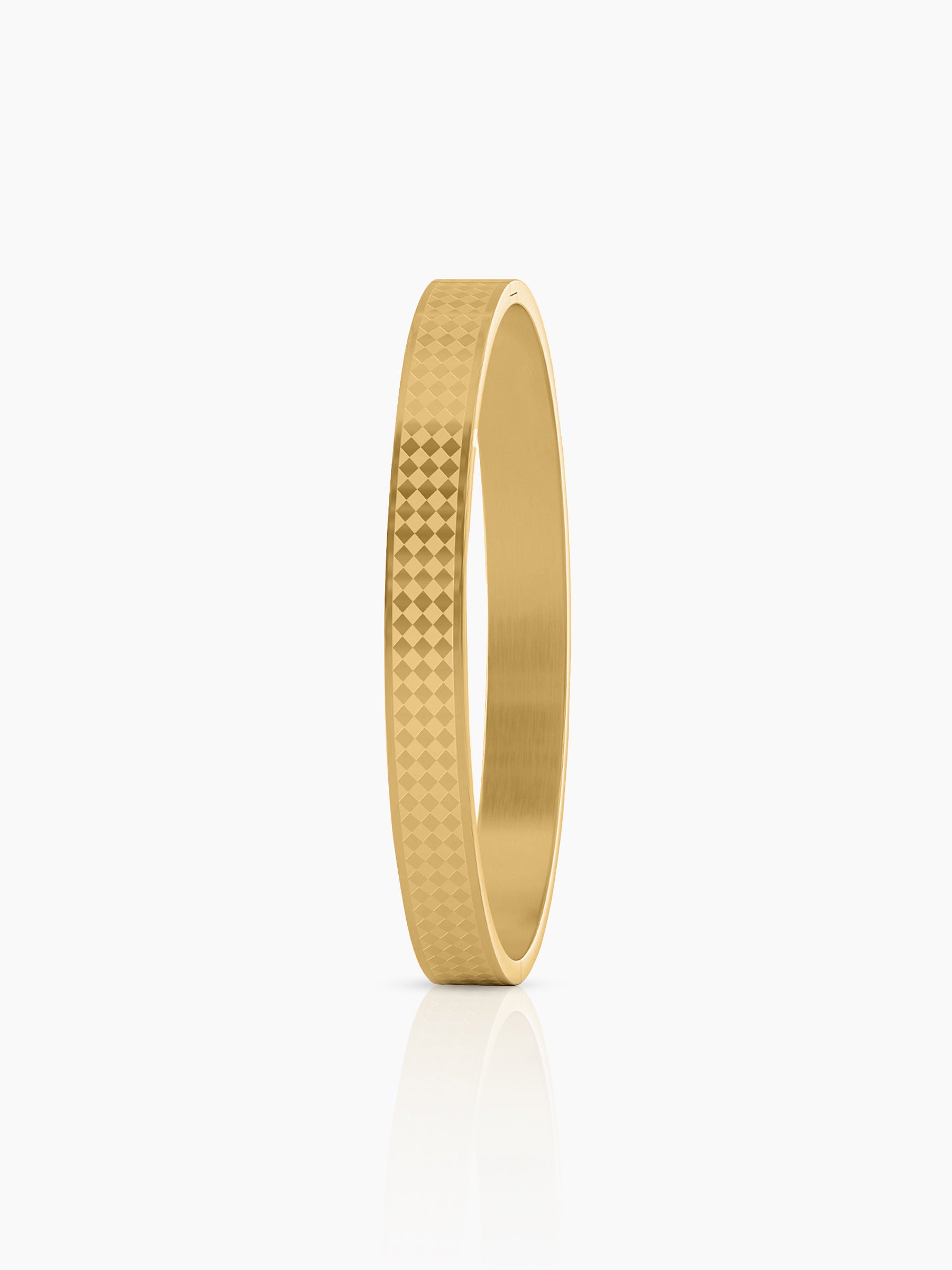
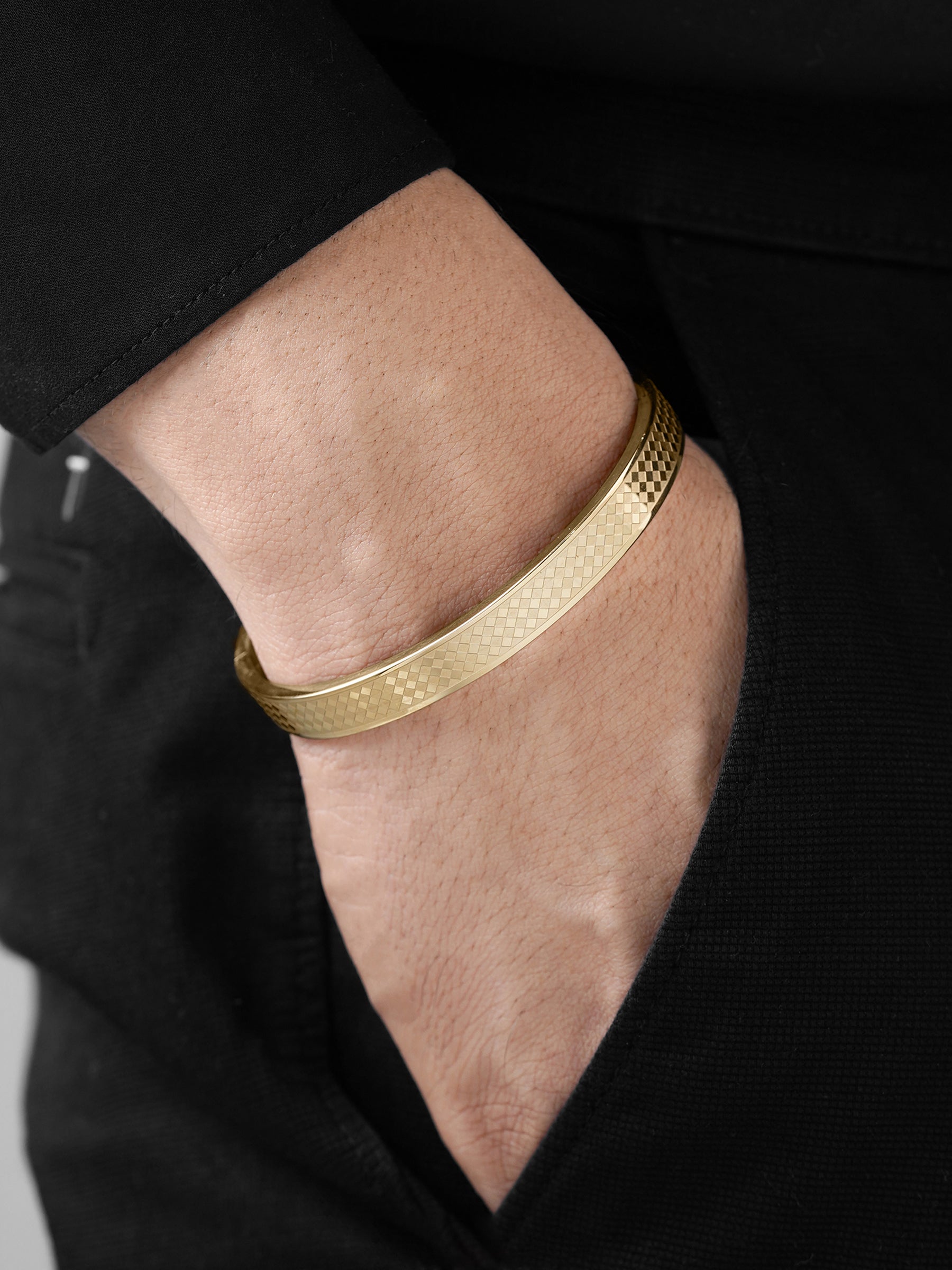
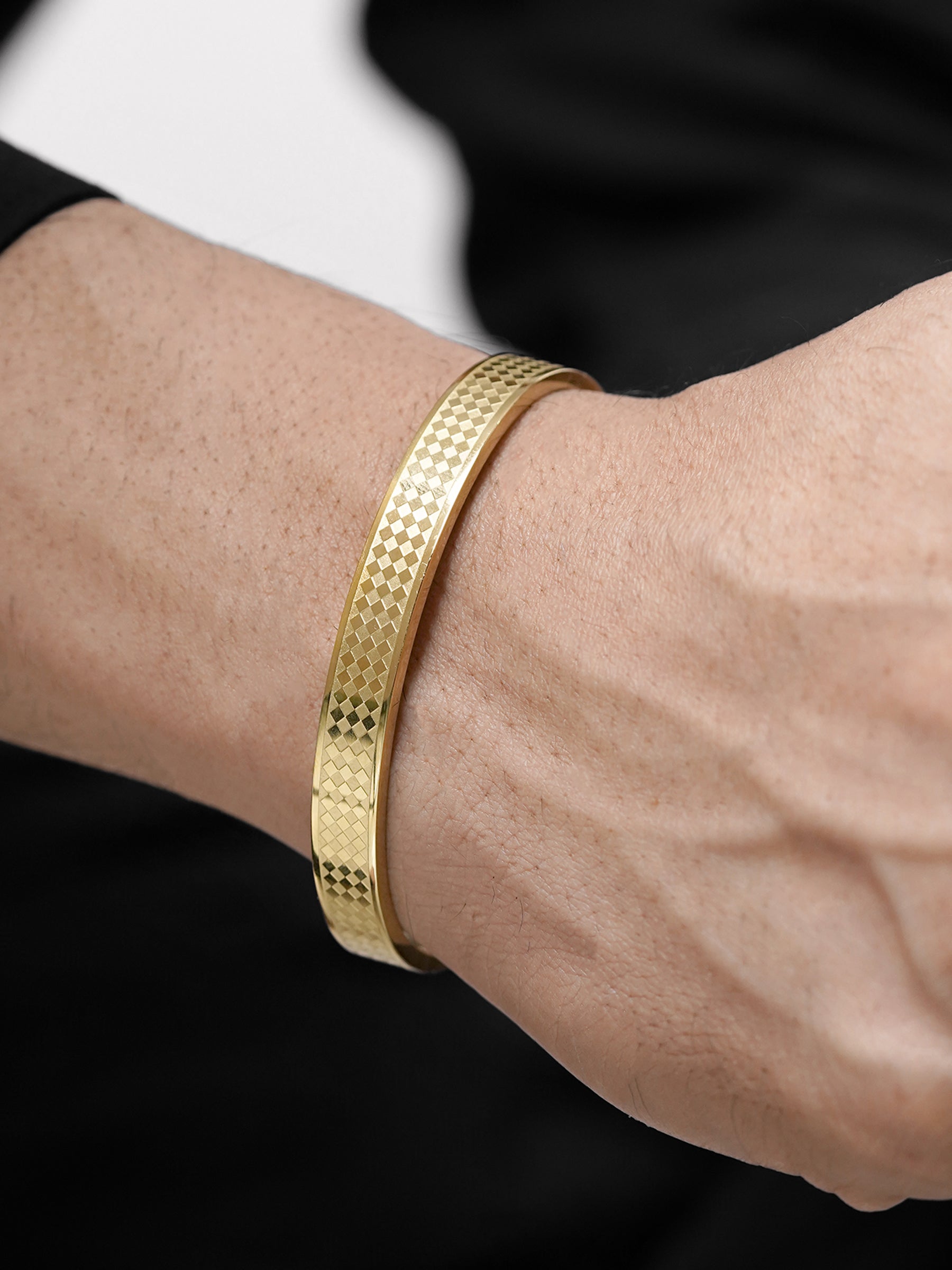
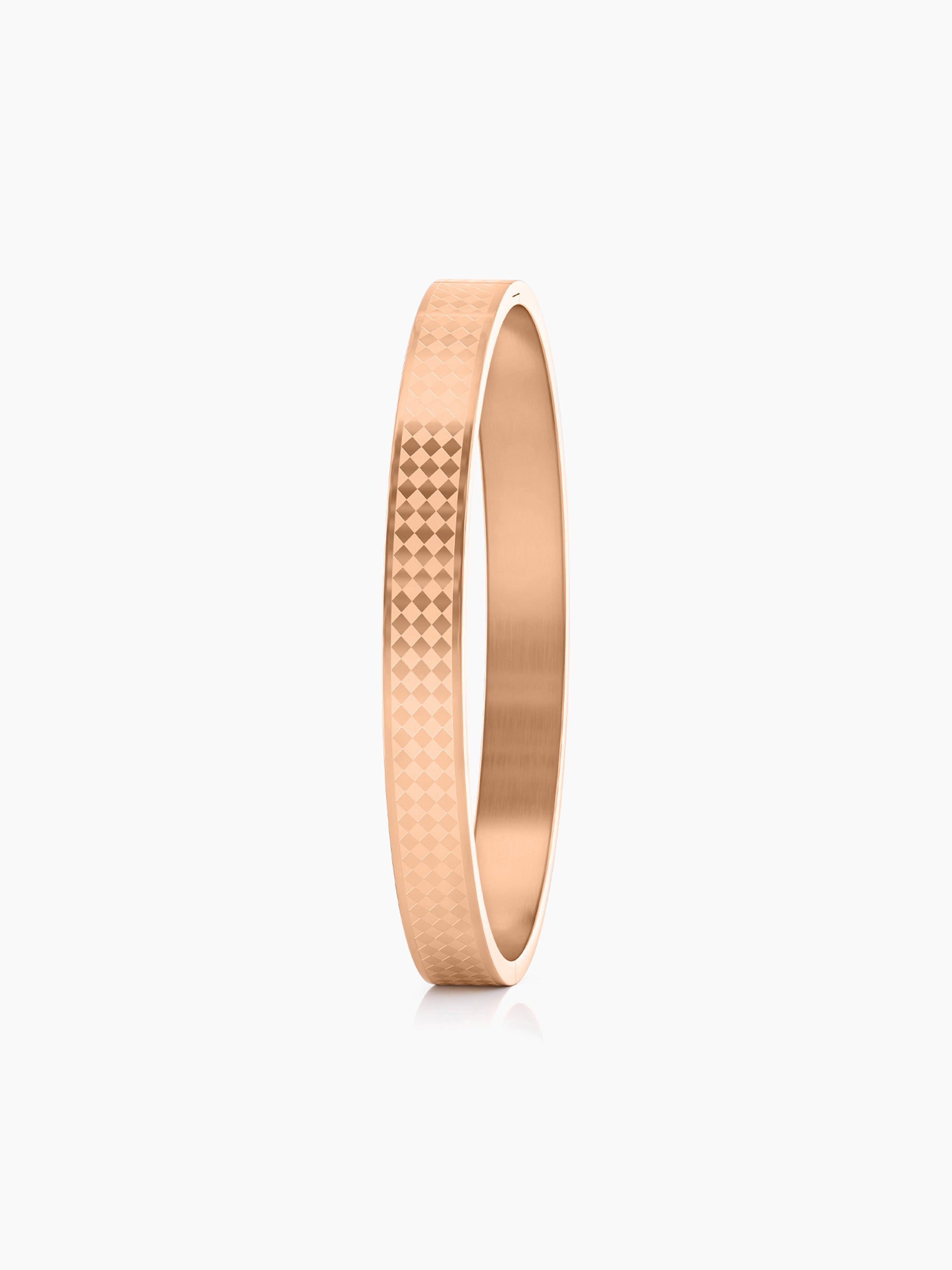
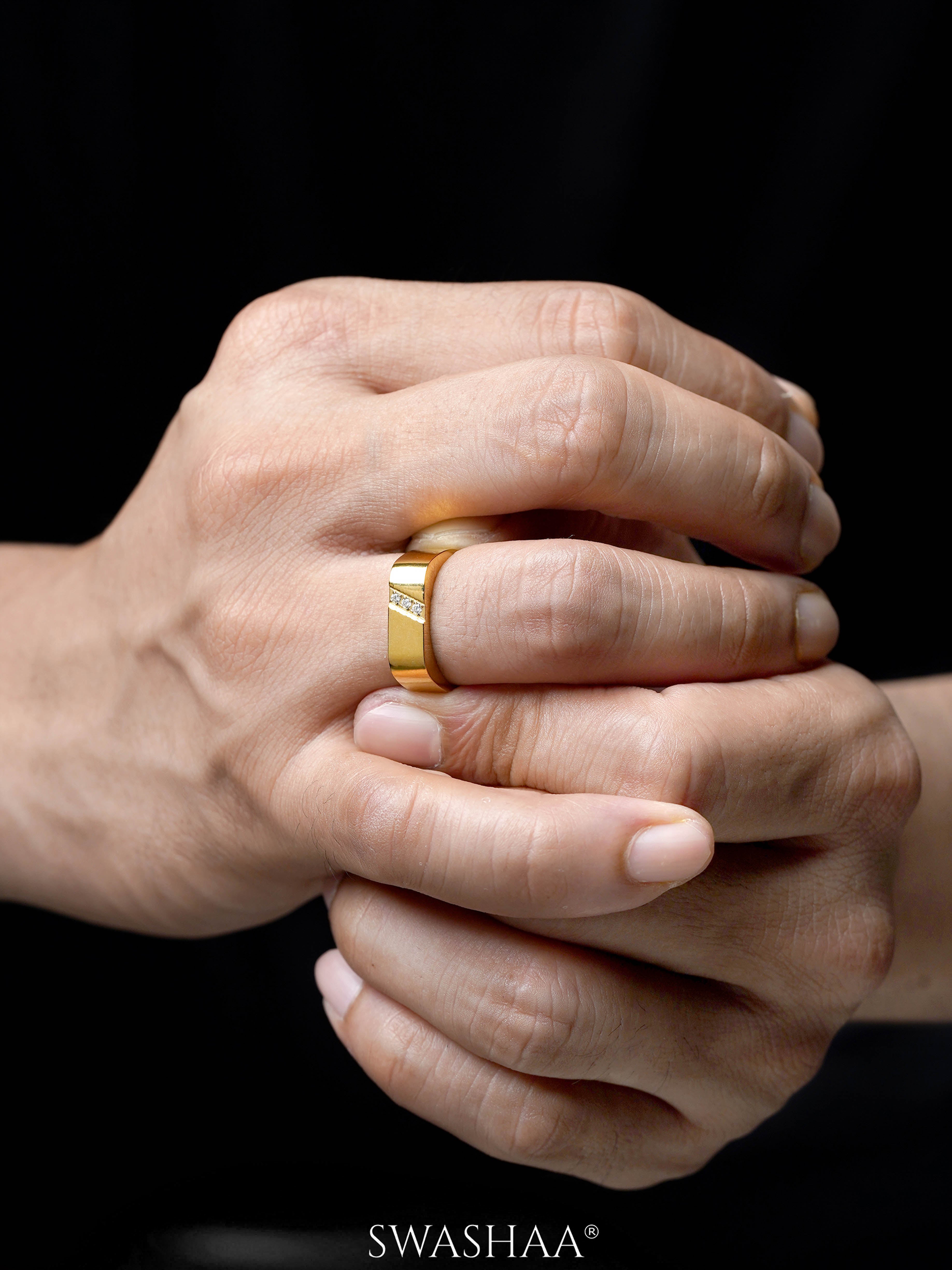
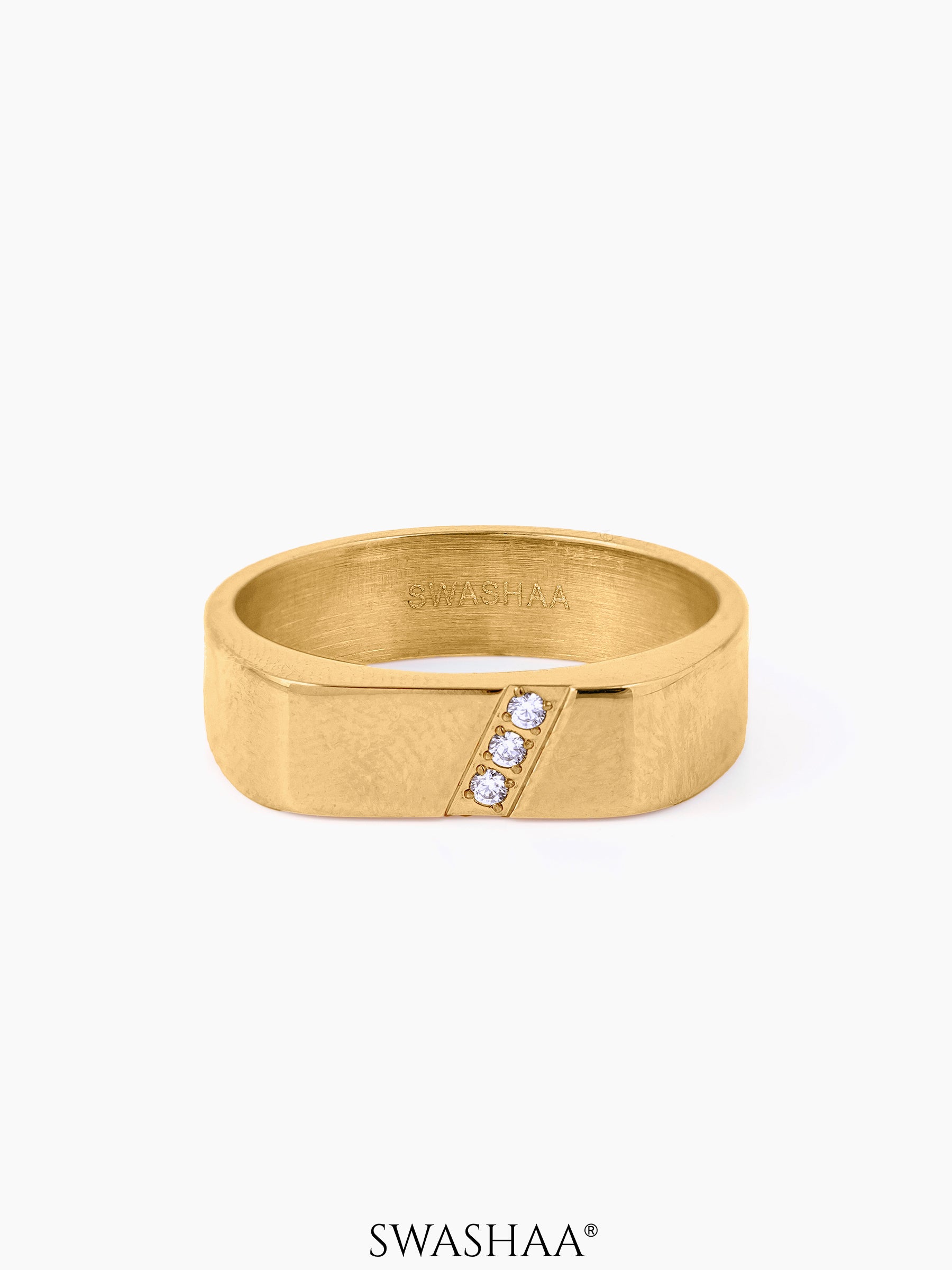
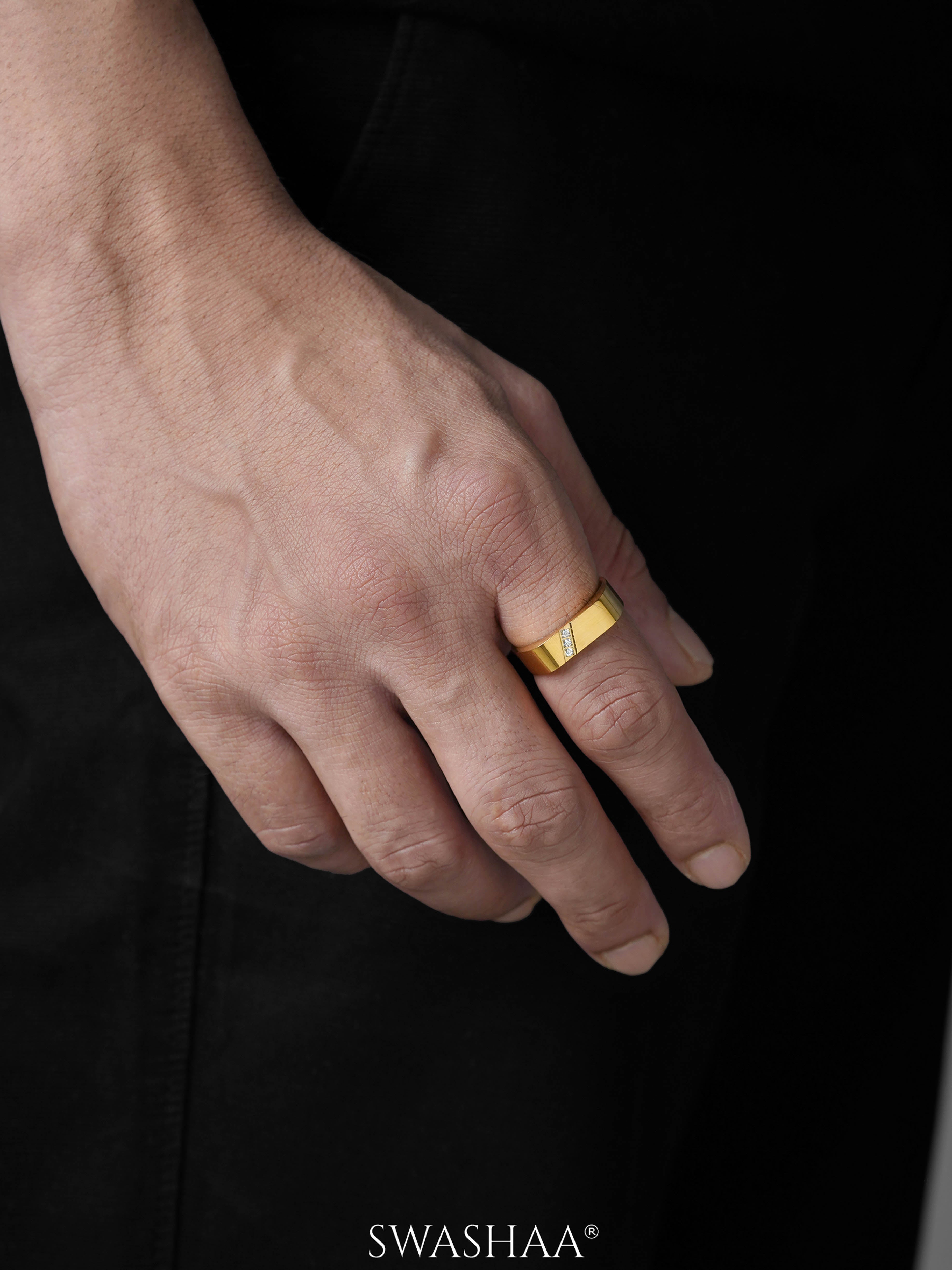
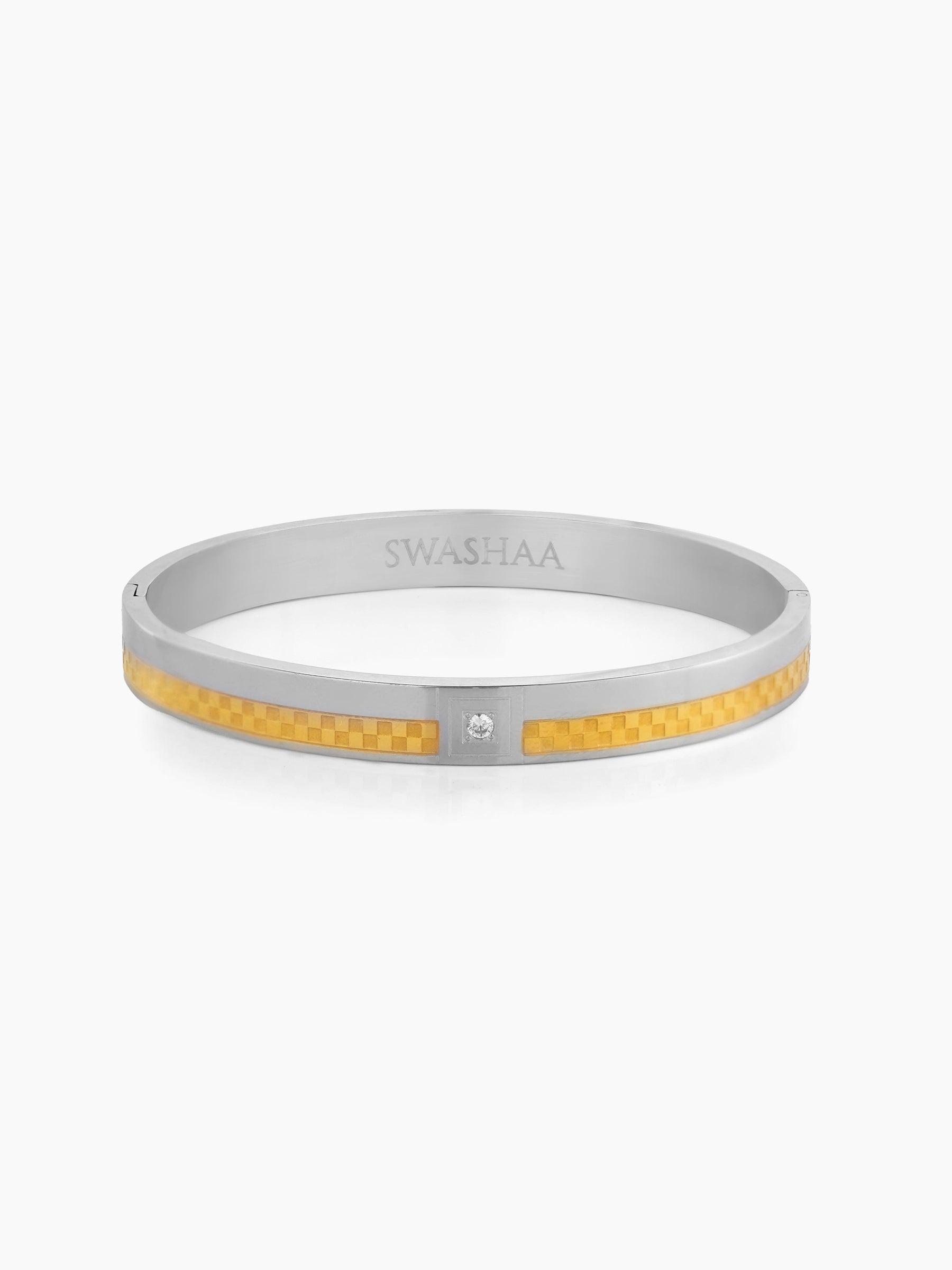
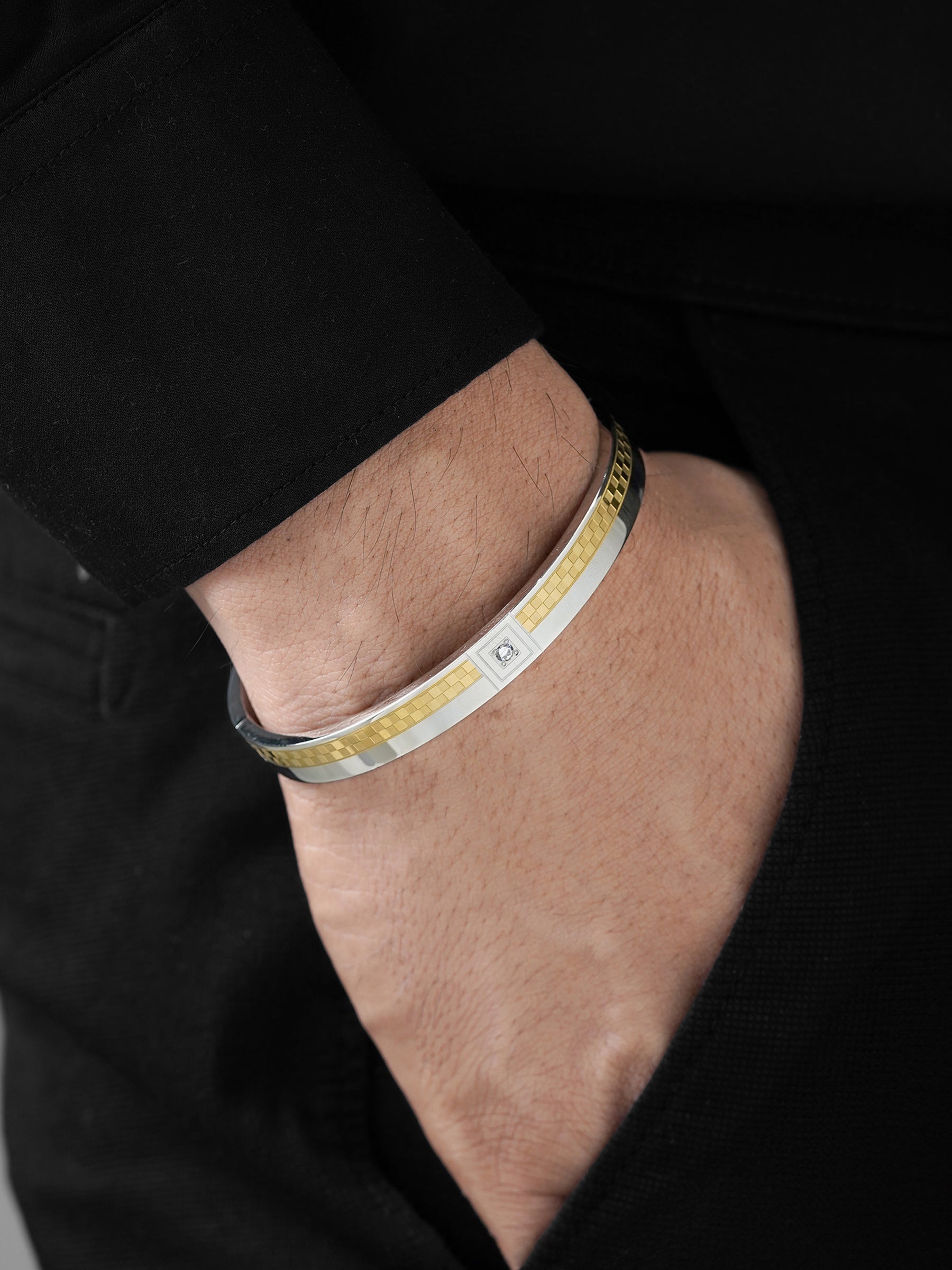
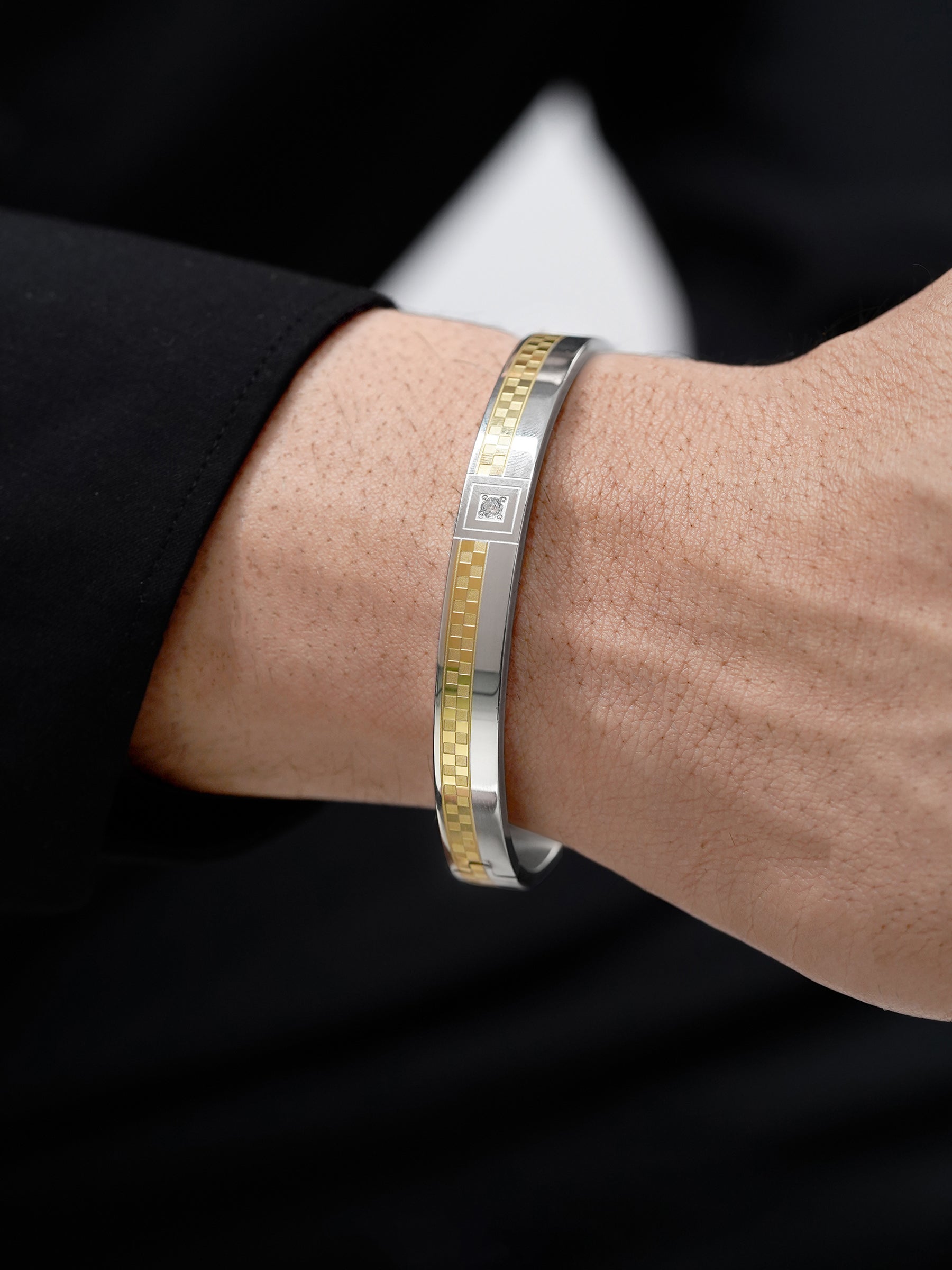
If you want that elevated finish for daily wear, gold plated jewellery for men and women offers the look you want at a price that makes sense.
What Is Solid Gold?
Solid gold has no base metal underneath. It's gold all the way through though that doesn't mean pure gold.
Here's the part most people miss. Pure 24k gold is too soft to survive daily wear; it bends and scratches far too easily. So solid gold jewellery is made from a gold alloy gold mixed with metals like copper, silver, or zinc to add strength. That blend is measured in karats. The most common are 14k, 18k, and 22k, with the lower karats offering more durability.
The appeal is obvious. Solid gold holds its value, resists tarnish, and is gentle on sensitive skin. It's the heirloom choice the piece you pass down, resell, or hold onto as a quiet investment.
The trade-offs? It costs significantly more, feels heavier on the body, and tends to come in more classic, traditional designs rather than fast-moving trends.
Gold Filled vs Plated: Where Does Gold-Filled Fit?
You'll sometimes see a third option gold filled and it sits neatly between plated and solid.
In gold filled jewellery, a much thicker layer of gold is pressure-bonded to a base metal. By law, that gold makes up at least 5% of the total weight, which makes it noticeably more durable than standard plating.
So in the gold filled vs plated comparison, gold-filled wins on longevity. The catch is that it's pricier than plated, the technique is increasingly rare, and over enough years it can still wear down to the base metal. For most modern shoppers, the real decision comes down to plated versus solid.
Gold Plated vs Solid Gold: The Quick Comparison
Here's the difference at a glance.
|
Feature |
Gold Plated |
Solid Gold |
|
What it is |
Thick gold layer over base metal |
Gold alloy throughout |
|
Price |
Affordable |
Premium |
|
Durability |
Can fade with heavy wear |
Lasts a lifetime |
|
Resale value |
Little to none |
Holds intrinsic value |
|
Weight |
Lightweight |
Heavier |
|
Best for |
Everyday style, trends, gifting |
Heirlooms, investment |
|
Designs |
Modern, on-trend, varied |
Classic, timeless |
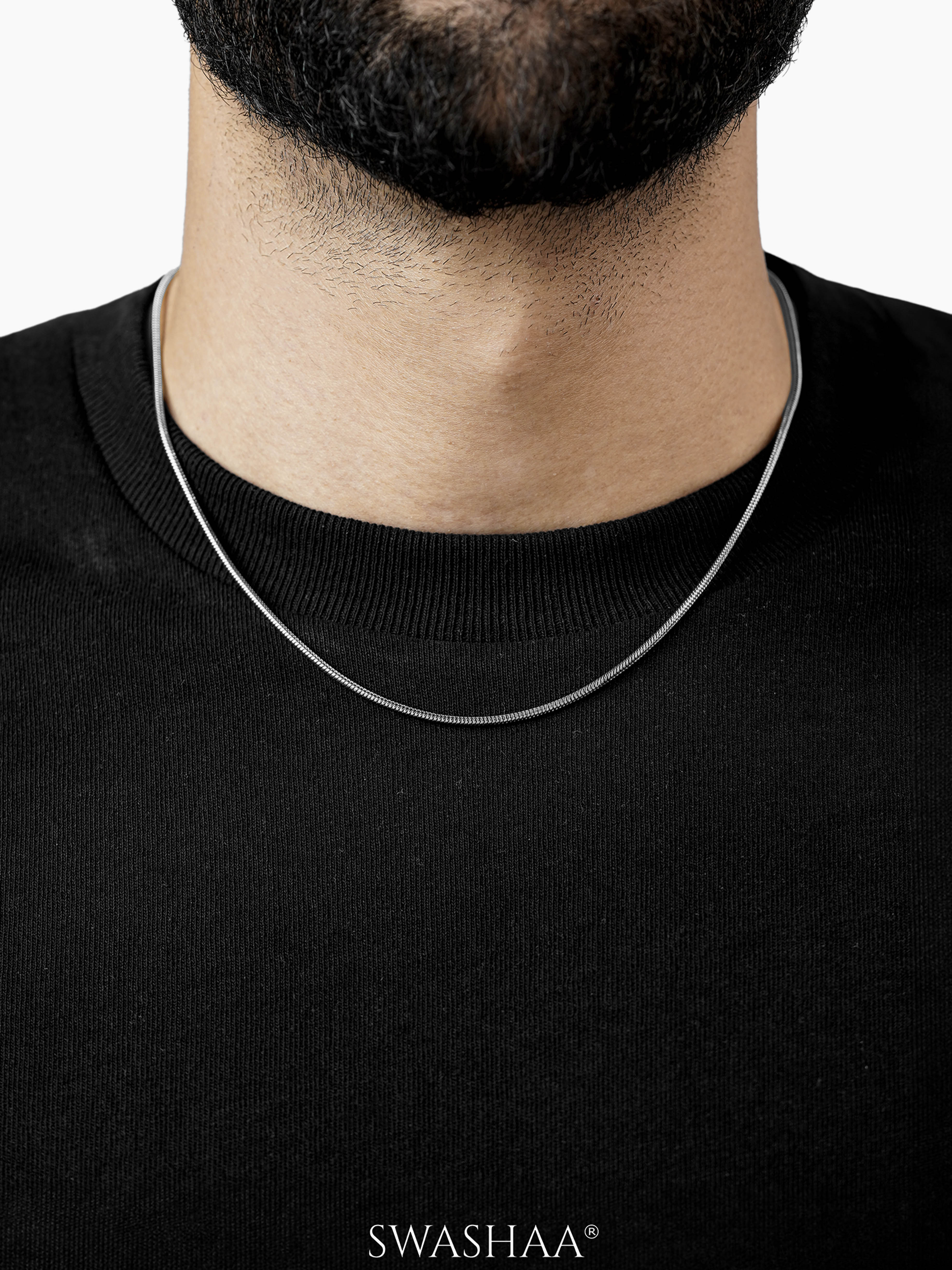
Both have a place. One is built for self-expression and versatility; the other for permanence. Browse gold plated necklaces to see how much range the plated side really offers.
Which One Should You Buy?
This isn't about better or worse. It's about purpose.
Choose gold plated if you love switching up your look, want on-trend pieces without the heavy price tag, or you're shopping for a thoughtful gift. It's perfect for everyday staples you reach for again and again. A demi-fine piece with quality plating gives you that refined, elevated finish made for confident daily wear.
Choose solid gold if you're after a lifetime investment, an heirloom to pass down, or a piece with real resale value. If it's a milestone moment a wedding, an anniversary solid gold earns its place.
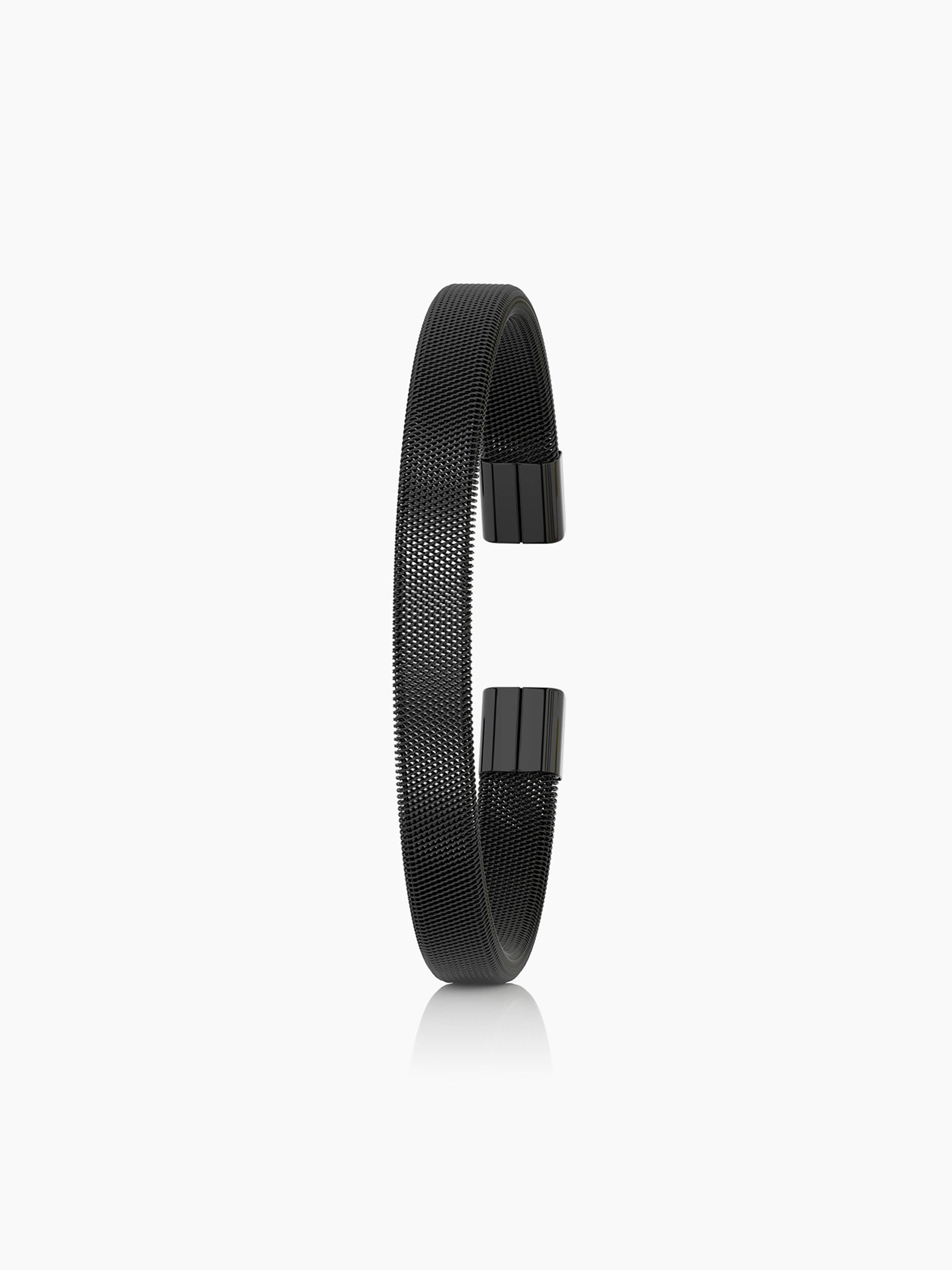
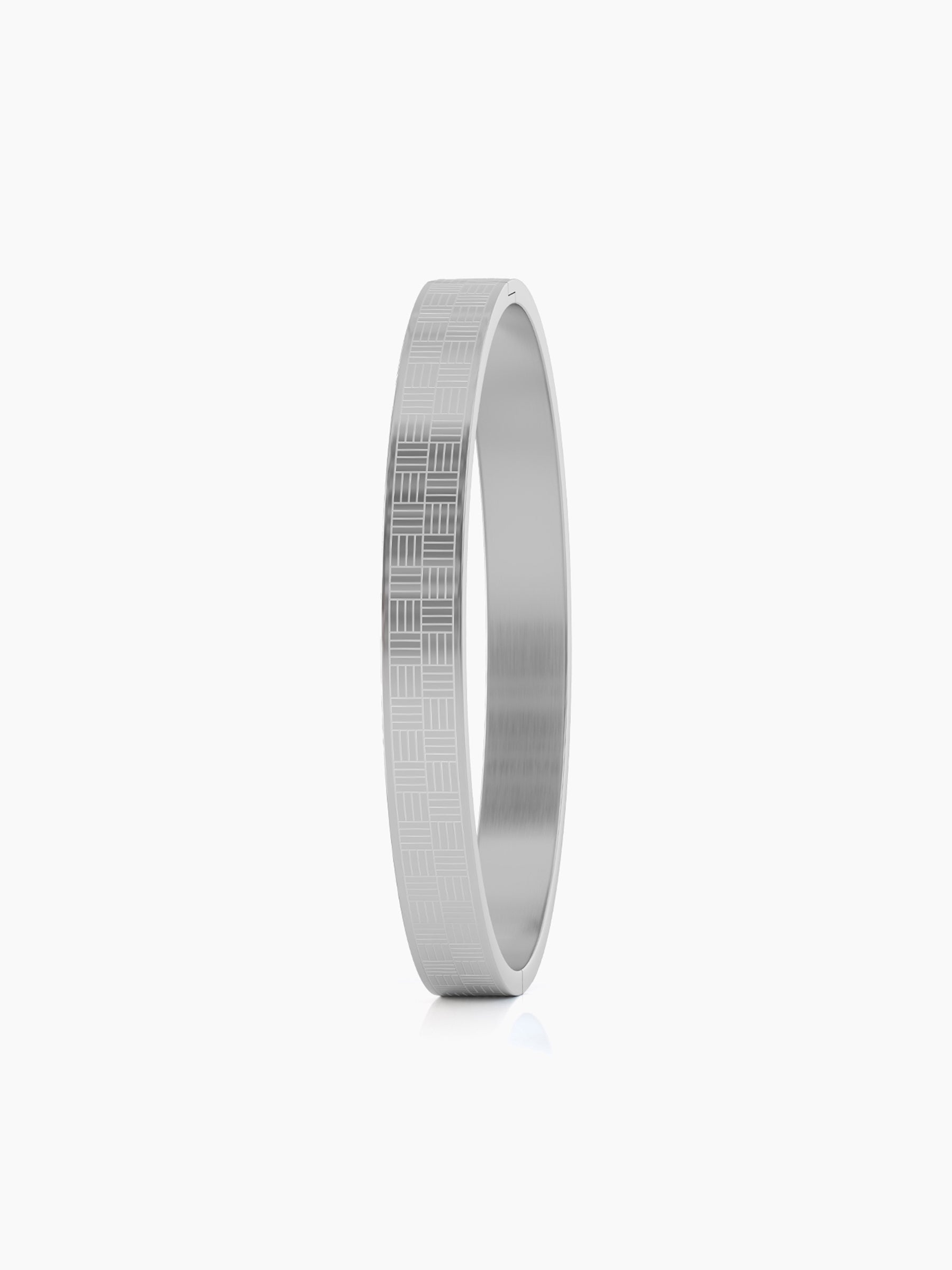
For most people, the smart move is a mix: solid gold for the pieces that matter forever, and beautifully crafted gold plated for everything else. If you're leaning plated, gold plated bracelets for women are an easy, stylish place to start.
Frequently Asked Questions
Is solid gold better than gold-plated jewellery?
Not exactly it depends on what you need. Solid gold wins on durability, resale value, and longevity, making it ideal for heirloom and investment pieces. Gold plated wins on affordability, variety, and trend-led design, making it perfect for everyday and gifting. "Better" comes down to your budget and how you plan to wear it.
Does gold-plated jewellery contain real gold?
Yes. Gold plated jewellery has a genuine layer of real gold bonded to the surface of a base metal. The gold content is much lower than solid gold usually a thick coating measured in microns which is exactly why it's more affordable.
Can gold-plated jewellery fade over time?
It can, especially on high-contact pieces like rings and bracelets. Sweat, perfume, water, and friction can gradually wear the thick gold layer. The good news: quality plating and proper care slow this down considerably, keeping your pieces looking fresh for far longer.
Does solid gold jewellery tarnish?
Solid gold is highly resistant to tarnish because it's gold throughout, with no base metal to react and discolour. Lower-karat pieces contain more alloy metals, so they can dull slightly over time, but a gentle clean restores the shine. It won't tarnish the way plated jewellery eventually does.
Can you shower with gold-plated jewellery?
It's best not to. Water, soap, and shampoo can speed up wear on the gold layer and leave residue that dulls the finish. To keep gold plated pieces looking their best, take them off before showering, swimming, or working out and store them dry.
How can you tell if jewellery is solid gold or gold-plated?
Start with the hallmark. Solid gold is usually stamped with its karat 14k, 18k, or 22k while plated pieces may be marked "GP" or "GEP." Solid gold also isn't magnetic, so a piece that responds to a magnet likely has a base metal core. For certainty, a jeweller can run a professional test.
Does gold-plated jewellery turn skin green?
Quality gold plated jewellery generally won't. Any green tinge comes from the base metal reacting with skin, sweat, or moisture most common with lower-grade metals. Well-made plating over a good base, plus keeping pieces dry, keeps this from happening.
Is gold-plated jewellery fake?
No. Gold plated jewellery uses real gold on the surface, so it isn't fake it's simply a different category from solid gold. It's a smart, accessible way to enjoy the look and feel of gold, especially for everyday and trend-driven styles, at a price that suits more budgets.
The Bottom Line
The gold plated vs solid gold debate was never really a contest. It's a choice and the right one depends entirely on you.
Want a lifetime heirloom or an investment piece? Solid gold is your answer. Want refined, on-trend jewellery you can wear every day, gift with confidence, and switch up whenever the mood strikes? Gold plated is made for exactly that.
The beauty is you don't have to pick just one. Build a collection that works for your life.
Ready to add a little shine? Explore Swashaa's best-selling pieces and find the finish that's made for you.







Share:
What Is Anti-Tarnish Jewellery? Meaning, Benefits & How It Works
How to Measure Your Ring Size: Step-by-Step Guide for the Perfect Fit